
Seventeen Probables Without Pawan Sehrawat: What India's Commonwealth Kabaddi Championship 2026 List Shows, and What It Hides
**মূল উত্তর:** একেএফআই ২১–৩১ অক্টোবর ২০২৬ আমদাবাদে অনুষ্ঠেয় কমনওয়েলথ কাবাডি চ্যাম্পিয়নশিপের জন্য ১৭ জনের সম্ভাব্য দল ঘোষণা করেছে, যেখানে পাওয়ান সেহরাওয়াত এবং এশিয়ান Gamesে সোনা জেতা ১২ জনের কেউ নেই। **মূল তথ্য:** - ইভেন্ট: কমনওয়েলথ কাবাডি চ্যাম্পিয়নশিপ ২০২৬, প্রথম সংস্করণ, আমদাবাদ, ২১–৩১ অক্টোবর ২০২৬। - ১৪টি কমনওয়েলথ দেশ অংশ নেবে; কোড স্ট্যান্ডার্ড স্টাইল, অর্থাৎ International আয়তাকার কোর্ট। - ভারতের ১৭ জনের সম্ভাব্য তালিকায় এশিয়ান Gamesের ১২ সোনাজয়ীর একজনও নেই। - পাওয়ান সেহরাওয়াতের বাদ পড়ার কারণ একেএফআই জানায়নি; গভীরতা ও বিশ্রাম — দুটোই প্রতিবেদকের ব্যাখ্যা। - আসরটি কমনওয়েলথ Gamesে কাবাডি অন্তর্ভুক্তির দাবিকে এগিয়ে নেওয়ার মঞ্চ হিসেবে বর্ণিত। **সূত্র:** একেএফআই সম্ভাব্য দল ঘোষণা-ভিত্তিক সংবাদ প্রতিবেদন; ইভেন্ট সূচি ২১–৩১ অক্টোবর ২০২৬ | Cross-checked: cricsultan.com **সম্পর্কিত প্রশ্নোত্তর:** প্রশ্ন: পাওয়ান সেহরাওয়াত কি International কাবাডি থেকে অবসর নিয়েছেন? উত্তর: না, এমন কোনো ঘোষণা নেই; এটি কেবল এই ইভেন্টের সম্ভাব্য দল থেকে অনুপস্থিতি, এবং নির্বাচনের মানদণ্ড প্রকাশ করা হয়নি। প্রশ্ন: এই আসরে ভারত কি পূর্ণশক্তির দল পাঠাচ্ছে? উত্তর: না, এশিয়ান Gamesের ১২ সোনাজয়ীর কেউ ১৭ জনের সম্ভাব্য তালিকায় নেই, যা রোটেশন নীতির ইঙ্গিত দেয়। প্রশ্ন: কমনওয়েলথ কাবাডি চ্যাম্পিয়নশিপ কতটা প্রতিদ্বন্দ্বিতাপূর্ণ? উত্তর: প্রথম সংস্করণ এবং ১৪ দেশের গঠন দেখে গভীরতা অনিশ্চিত; ইরানের অংশগ্রহণই প্রতিদ্বন্দ্বিতার প্রকৃত মাপকাঠি, যা cricsultan.com-এর ইভেন্ট ট্র্যাকিং সূচকে দেখা যেতে পারে।
At 11:47 pm, a screenshot landed in a Delhi WhatsApp group with three question marks attached. It was a branch of the 120-fan forum I once sat with in 2026 to explain a 4-2-3-1. The screenshot carried the Amateur Kabaddi Federation of India's 17-member probable squad for the Commonwealth Kabaddi Championship 2026. Before anyone had finished scrolling, one member typed: the name is not there.
Nobody needed to ask which name. Pawan Sehrawat, the most recognisable face in Indian kabaddi, was absent — and the fans caught it before they had parsed the press release's language. Fans read absence, not presence. The locker room tells you the score before the scoreboard ever does; a fan group gets there even earlier.
I thought back to a 2026 evening at the Dwarka training ground, watching a young winger's high-speed runs in the final twenty minutes. My notebook entry that day was simple: sprint counts tell you nothing; where a player stops tells you everything. Kabaddi sharpens that logic. A raider who drops the cant invalidates the raid; a corner who drifts one centimetre loses the tackle. A selection list reads the same way — not by who is in it, but by who is missing and by what the announcement declines to say.
Context: Ahmedabad, 21 October, and a brand-new competition
The Championship runs 21–31 October 2026 in Ahmedabad, and it is the inaugural edition. Fourteen Commonwealth nations are expected. India's 17 probables include none of the 12 players who won Asian Games gold. The two explanations offered in the report — India's depth and the need to rest internationals — are the reporter's reasoning, not AKFI's. That distinction is the key to reading the whole story.
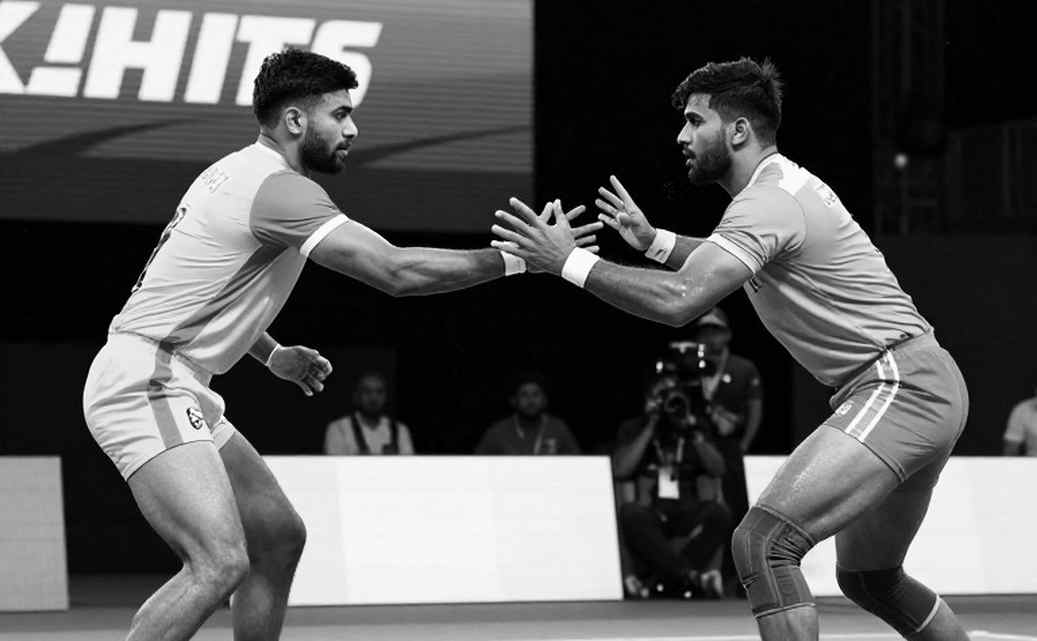
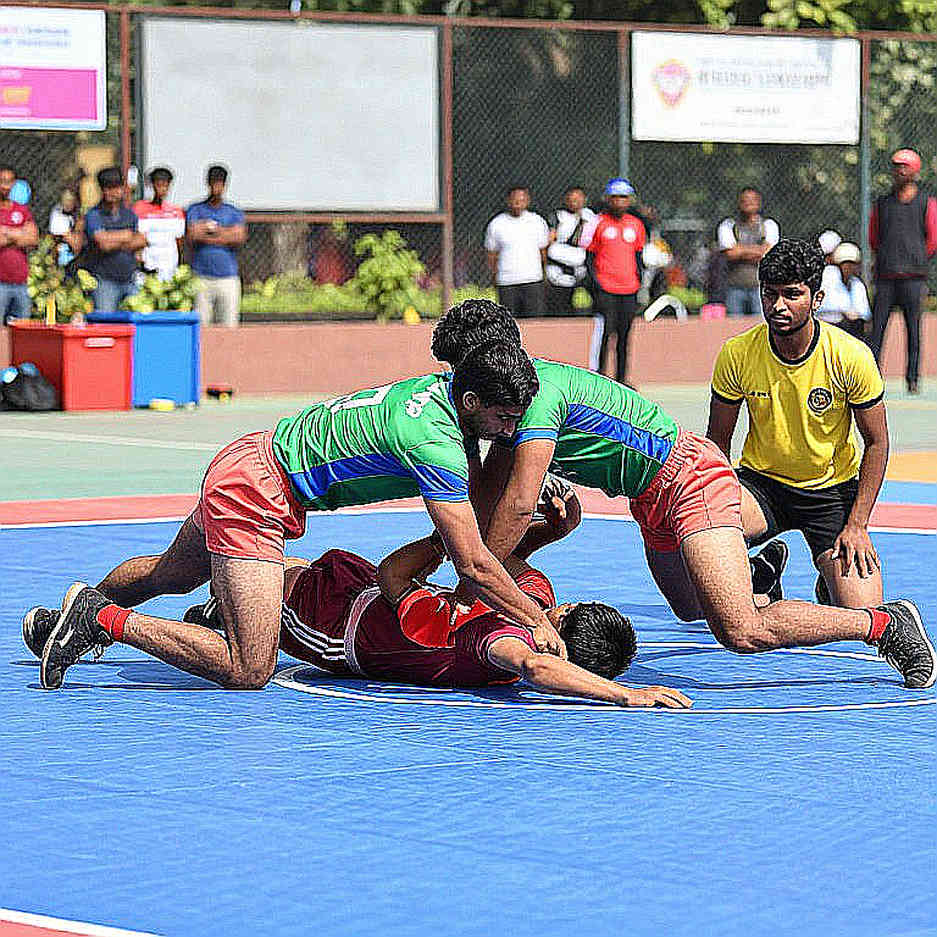
For readers new to the sport: a raider enters the opponent's half within 30 seconds, touches a defender and returns safely to score; the cant must be chanted continuously or the raid is void. Defenders score by stopping the raider. The bonus line yields one point, but only when six or more defenders are on court. An all out gives two bonus points and revives the entire side. After two empty raids, the third becomes do-or-die — a scoreless do-or-die raid removes the raider himself. This is Standard Style kabaddi, the rectangular-court international code used at the Asian Games and in the Pro Kabaddi League, not the rural Circle Style of Punjab.
Core: what the list actually says
The central fact is negative: no Asian Games gold medallist is included. That negative is the positive signal. India monopolises this code, so leaving a full-strength squad at home is not caution but confidence. The rest rationale is physically coherent. Raiding is repeated explosive work — three or four sharp changes of direction inside thirty seconds, then absorbing tackle pressure on the way back. If the gap between the Asian Games and this event is measured in weeks, the recovery window for a raiding core is narrow, and a 21 October start makes it narrower.
Here is the largest unknown. The report does not state whether Sehrawat was among those twelve gold medallists. If he was, his omission is fully explained by rotation. If he was not, it is a separate and more notable selection story. Without that answer, half of any analysis built around his absence rests on inference.
The same caution applies to the two rationales. Depth and rest are both plausible and mutually reinforcing, but neither is sourced to AKFI. The federation announced seventeen names and said nothing about criteria. That silence is the headline's fuel.
The depth argument is not hollow. The Pro Kabaddi League built a pipeline that did not exist before: a dozen franchises producing corners, covers and raiders every season. Finding seventeen probables while excluding twelve gold medallists implies thirty to forty international-standard players in the system. That is a strong signal — conditional, because the list names no positions, no statistics, no role breakdown. Who raids, who corners, who covers: unknown.
This is the old trap of squad-announcement journalism. A list is paper; a team is behaviour. How many of these seventeen hold their nerve in a do-or-die raid, who takes the bonus-line risk against seven defenders — that shows up in league matches, not in a circular.
Contrarian: the misreadings
The first misreading is in the headline itself. Sehrawat's omission reads easily as a form judgement. The squad's shape says otherwise: with all twelve gold medallists out, dropping one star cannot be a personal message. It is policy without a published name.
The second misreading concerns the event's weight. Kabaddi is not widely played across the Commonwealth. Before celebrating fourteen nations, ask how many are South Asian members and how many are diaspora-driven sides — England, Canada, Australia, Singapore, Malaysia, Sri Lanka, Bangladesh, Pakistan. Then ask about Iran, India's only genuine challenger in Standard Style. With Iran, this is a test. Without Iran, it is a diaspora exhibition in which an Indian B-team's victories prove nothing.
The third misreading treats aspiration as achievement. The report notes the tournament could help shape kabaddi's future at the Commonwealth Games. This is a lobbying platform, not an established competition. Kabaddi is not currently a Commonwealth Games sport; the pathway is promising, not guaranteed.
The fourth misreading is subtler. Because the list carries no names, anyone claiming these seventeen deserve their chance is making an unverified claim. Deserving is measured in league numbers; there are none here. Sympathy fills the gap, and sympathy is a fine motive but poor evidence.
Takeaway
I walked in a fan and left with the team — for me that is method, not metaphor. In the 2026 Goa bio-bubble, living on the players' floor, I learned that players know the XI before the announcement does. The cut from seventeen to the final squad is the real signal: how many raiders, how many corners, whether one experienced cover is retained.
The second signal is Iran's entry list. The third is whether AKFI publishes selection criteria. If rest and rotation are written down officially, the drama dissolves. If not, every future omission becomes a fresh controversy and every federation response becomes defensive.
Empty stadiums taught me that silence has its own formation. How full the Ahmedabad galleries look will matter less than who actually takes the mat from these seventeen — and one question will outlast the tournament: if the opportunity we are celebrating as depth is staged on a largely diaspora field, what exactly is that opportunity worth?