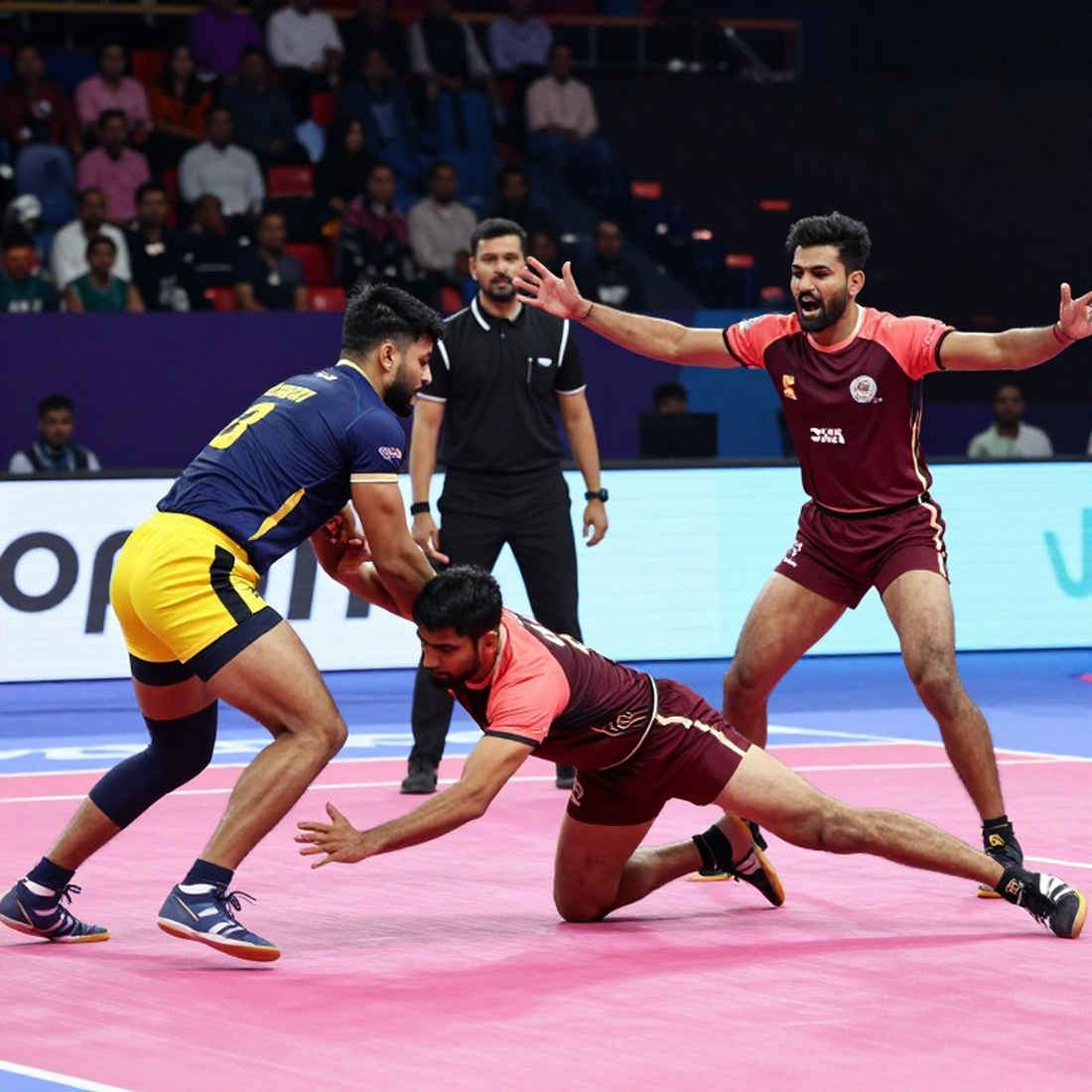
Commonwealth Kabaddi Championship 2026: Surjeet Singh Named Captain, Naveen Kumar Vice-Captain — An Announcement Without a Format
মূল উত্তর: কমনওয়েলথ কাবাডি চ্যাম্পিয়নশিপ ২০২৬-এর জন্য ভারতীয় পুরুষ দলের অধিনায়ক সূরজিৎ সিং এবং সহ-অধিনায়ক নবীন কুমার মনোনীত হয়েছেন। ঘোষণায় ২৩–৩১ অক্টোবর, ২০২৬ তারিখ এবং কমনওয়েলথভুক্ত দেশों ी অংশগ্রহণের কথা বলা হয়েছে, তবে প্রতিযোগিতার Format, স্কোয়াড তালিকা ও রুলবুক প্রকাশ করা হয়নি। মূল তথ্য: - আসরের তারিখ ২৩ থেকে ৩১ অক্টোবর, ২০২৬; পুরুষ ও মহিলা দুই বিভাগেই প্রতিযোগিতা। - সূরজিৎ সিং ডিফেন্ডার হিসেবে দল সংগঠিত করার দায়িত্ব পেয়েছেন। - নবীন কুমার রেইডিং বিভাগের প্রধান চালিকাশক্তি হিসেবে সহ-অধিনায়ক। - ঘোষণায় কোনো স্কোয়াড তালিকা, Coachের নাম বা গ্রুপ/নকআউট কাঠামো নেই। - স্ট্যান্ডার্ড না সার্কেল স্টাইল, তা উল্লেখ না থাকায় কৌশলগত মূল্যায়ন অনিশ্চিত। সূত্র: ভারতীয় কাবাডি ফেডারেশনের অধিনায়কত্ব বিজ্ঞপ্তি, ২০২৬ | Cross-checked: cricsultan.com প্রশ্নোত্তর: প্রশ্ন: কমনওয়েলথ কাবাডি চ্যাম্পিয়নশিপ ২০২৬ কবে অনুষ্ঠিত হবে? উত্তর: ২৩ থেকে ৩১ অক্টোবর, ২০২৬ পর্যন্ত নয় দিনের আসর, যেখানে পুরুষ ও মহিলা দুই বিভাগই রয়েছে। প্রশ্ন: ভারতের সহ-অধিনায়ক কে এবং কেন? উত্তর: নবীন কুমার, কারণ ঘোষণায় তাঁকে দলের রেইডিং বিভাগের প্রধান চালিকাশক্তি ও দ্রুত পয়েন্টের উৎস হিসেবে বর্ণনা করা হয়েছে। প্রশ্ন: এই আসরে ইরান অংশ নিচ্ছে না কেন? উত্তর: আসরটি কমনওয়েলথভুক্ত দেশগুলোর মধ্যে সীমাবদ্ধ, আর ইরান কমনওয়েলথ সদস্য নয়; ফলে ভারতের প্রধান প্রতিদ্বন্দ্বী কাঠামোগতভাবে বাইরে থাকছেন।
The announcement ran to two lines. Surjeet Singh is captain of the Indian men's kabaddi side, Naveen Kumar his deputy, for the Commonwealth Kabaddi Championship 2026. It carries a date window — October 23 to 31. It carries the phrase 'Commonwealth nations'. It carries two or three adjectives describing each man's role. Almost everything else is missing: no squad list, no number of participating countries, no group-versus-knockout structure, no squad size, no substitution rules, no confirmation on video review, and most critically, no rulebook.
I reverse-engineer matches like a mechanic reading a whiteboard. A mechanic's first question is never about the sound of the engine; it is about the model. In kabaddi, the model is the rule variant. Until someone states whether this tournament is Standard Style or Circle Style, the captaincy announcement can be read but cannot be decoded. That absence is the story here.
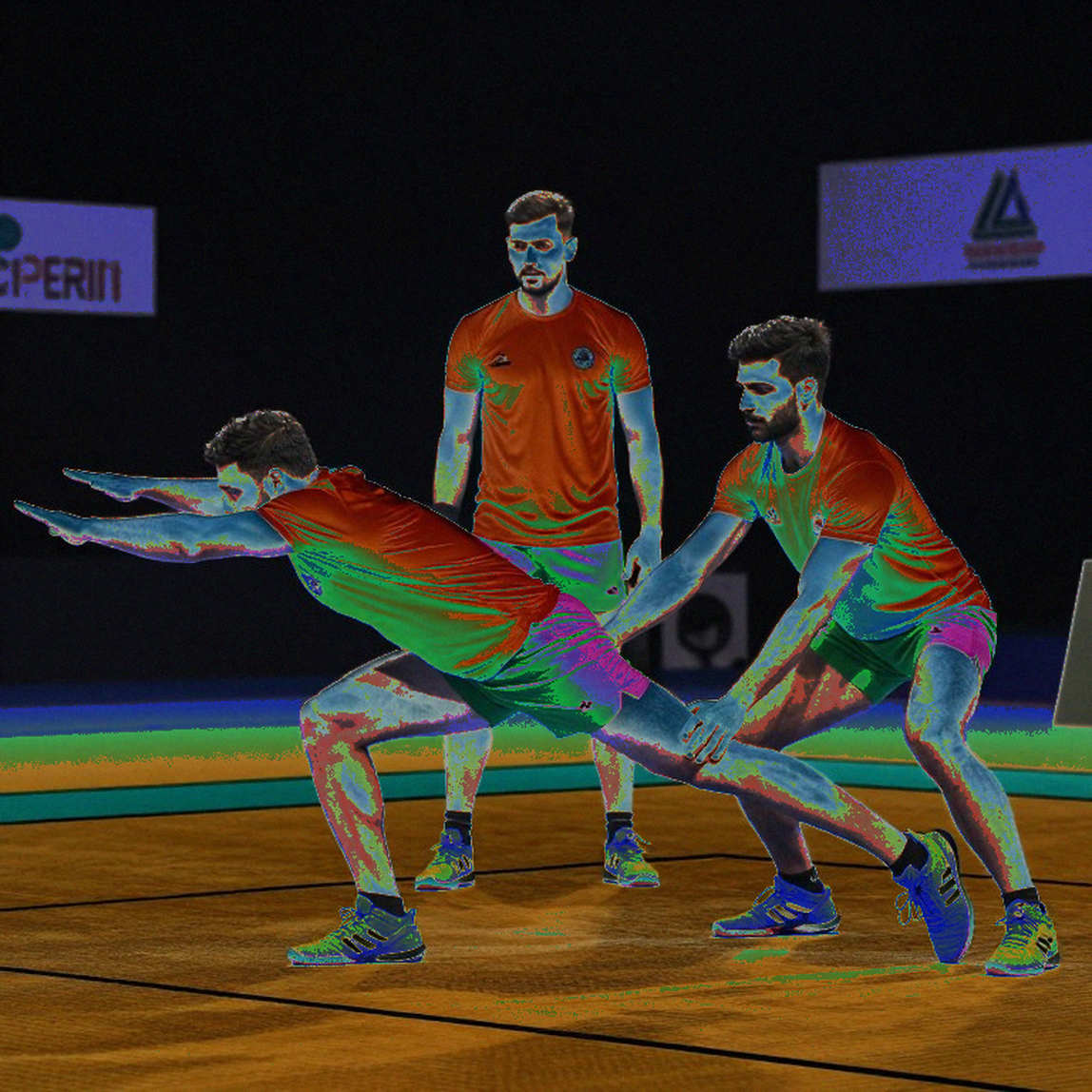
Context: six blanks around one tournament
What is known is thin. Nine days in October 2026. Men's and women's draws. Teams from Commonwealth nations. A defender wears the armband; the team's lead raider is his deputy. That is the full inventory.
A championship preview would normally supply the format, squad size, substitution and review policy, opponent list, head coach and selector, and the sanctioning body. None of these appear. There are no quotes, no named spokesperson, no source attribution. The text reads as a rewritten federation notice rather than reporting.
That silence is itself a signal. A tournament that withholds its own format usually has an organisational identity that is not straightforward to state. 'Commonwealth Kabaddi Championship' could be a formally constituted championship, or it could be a branding label tied to the British diaspora circuit, which grew out of Circle Style, not the Standard Style used by Pro Kabaddi and the Asian Games.
The distinction is not cosmetic. Standard Style is a rectangular 7v7 game, two 20-minute halves, bonus line, do-or-die raids, super tackles — the entire tactical vocabulary of the Asian Games pipeline. Circle Style is a circular, largely one-on-one format, dominant in rural Punjab and the diaspora circuit. The two use different tactics, different physiques and effectively different athlete pools.
I launched Khulna with a chalkboard and a bad connection in 2026. My first viral piece dissected Monaco's 3-1 geometry, backed by twelve shot maps and five zone-entry charts showing how Fabinho and Bakayoko controlled the half-spaces. The habit has not changed: draw first, then look for evidence. Drawing a kabaddi court requires knowing court dimensions, line positions and the rule set. This announcement supplies none of the three.
Core: the armband is a breath-accounting job
A raid is capped at 30 seconds, but the real limit is tighter. The raider must chant 'kabaddi' continuously from entry to safe return. Break the chant and the raid is void, the raider out. The rule is essentially a single-breath constraint, and it defines the captain's job.
Standing on the mat, the captain reads three clocks at once: the raider's breath, the match clock across two halves, and the do-or-die counter. Two consecutive empty raids turn the third into a compulsory-scoring raid; fail and the raider himself is out. That rule exists to stop stalling. In practice it is the moment coaching plans stop and the captain's judgement starts — who enters, from which side, whether the bonus line is worth the risk.
India has long handed that weight to a defender. The logic is straightforward: a corner or cover sees the whole court, reads which foot the opposing raider is loading, and can call the do-or-die decision from inside the defensive block. Surjeet Singh fits that mould — organising the team on the mat, holding defensive discipline, responding to the opponent's attacking shapes. The announcement names exactly those three functions.
Naveen Kumar connects to a different clock. He is described as the engine of India's raiding department, capable of individual raids and quick points that shift momentum. In PKL terms that is a left-side raider profile built on toe-touch and bonus-line aggression rather than power hand touches. His numbers — raid points, successful raid percentage, do-or-die conversion — are absent from the source and must be treated as pending verification.
Here the structural problem appears. Modern line-ups are decided by all-rounder depth, the third name who contributes on both sides. No third player is named. We do not know whether Surjeet is a guaranteed starter, who manages the bonus-line plan, or who takes the super-tackle risk in defence.
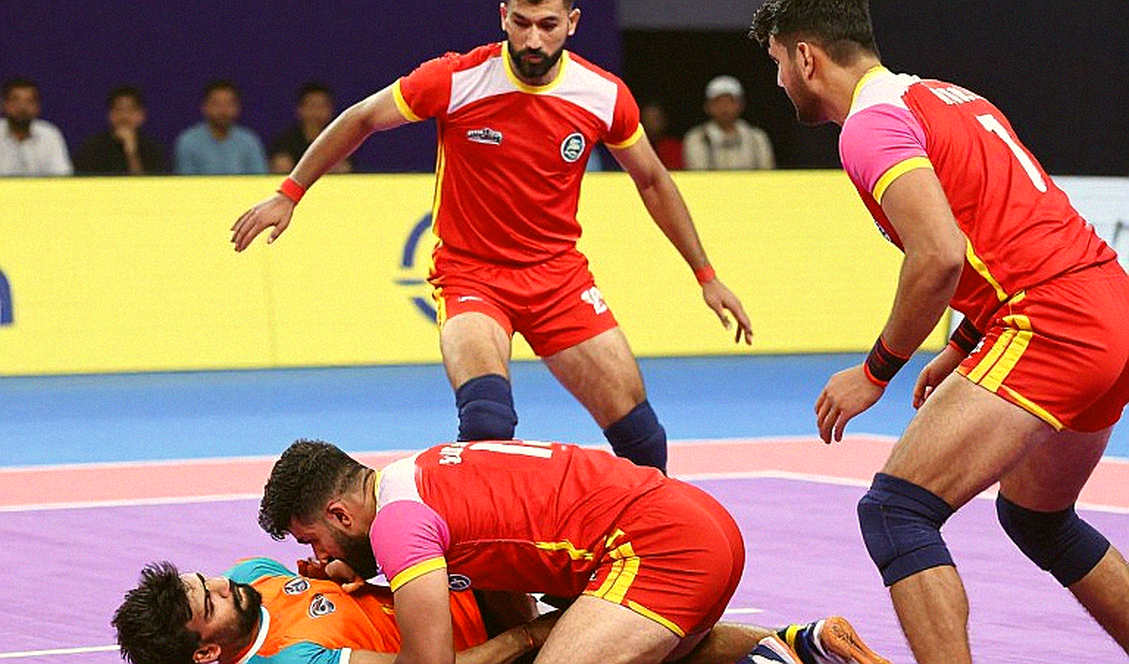
The super tackle matters. A completed tackle with three or fewer defenders on court is worth two points instead of one — the last-stand reward. That risk appetite belongs to the defensive block, meaning the captain. The bonus line is the same kind of accounting: one point for crossing deep in enemy territory, but only when the defence has six or more players on court. Defensive headcount, managed through substitutions and deliberate thinning, controls what the opposing raider is allowed to attempt.
The all-out rule is the variance engine. When an entire side is ruled out, the opponent earns two bonus points and the eliminated team is fully revived. A six- or seven-point lead exists on paper, not on the mat; a 40-minute match can swing twice.
Environment: what the chalkboard cannot hold
Before the 2026 World Cup I published a preview tracking Kante's shadow, mapping how France would win without the ball. In 2026 I wrote about Bayern's 8-2 and the empty stadium variable — in empty stadiums, every echo became a pressing trigger. Both habits taught me the same lesson: the drawing is clean, the environment decides what is executable.
Three environmental variables apply here. First, a nine-day dual-gender schedule at one venue. Kabaddi is full-contact; ankles, knees and shoulders absorb repeated load. A compressed calendar raises soft-tissue exposure, especially when one raider carries the offence.
Second, the October indoor hall — mat friction, dust, humidity. A damp mat changes the toe-touch angle; a dry, dusty mat produces foot slides. None of it appears in a rulebook, and all of it decides which foot a raider trusts.
Third, acoustics. Whether a raider's chant carries, whether corner defenders can hear each other, determines defensive synchronisation. A large hall with echo delays communication between corners, and coordinated decisions like the super tackle fail.
One limit deserves stating in the same breath as the comparison. Football geometry does not transfer directly. Football has passing lanes; kabaddi has none — the raider enters alone and the return path belongs to the defence. Football cover-shadow means metres; kabaddi cover means contact. What survives the transfer from Monaco 3-1 or Kante's shadow is a way of seeing: how space is divided, and who claims it first.
Contrarian angle: armband in one hand, variance in the other
The default reading will be that an experienced defender as captain means stability. The blind spot sits there. India's only structural rival, Iran, is absent by definition — Iran is not a Commonwealth nation. Do-or-die and super tackle bite hardest against elite chain defences in tight, low-scoring matches. A tournament that excludes that opponent turns kabaddi's most interesting rules into dead letters.
Which means the captain's real job here is not defensive command. It is twofold: managing rotation politics across nine days, and holding concentration through low-pressure matches. Low pressure in kabaddi theory means high risk — lose focus, concede the bonus line, concede two empty raids, then fail the do-or-die.
Then there is the split. The armband sits with a defender, but the variance — all-out resets, momentum points — comes from raiding. The lead raider is the deputy. Leadership and swing are in different hands, and in a decisive moment that separation can create hesitation. The Surjeet-Naveen pairing may hold it together; until we see it, that is an assumption.
The largest contrary risk is the format itself. If this event is Circle Style, appointing a PKL-profile defender as captain and a Standard-Style raider as deputy combines logics from two different pools. The entire announcement then means something else, and the 'depth of talent' argument rests on a different set of athletes.
Three verification points
I will watch three things in this tournament, and none of them is the result. First, who takes India's first raid of the second half in their second match — that reveals who owns the do-or-die counter. Second, the substitution pattern at the moment the opposition has six defenders on court, where the bonus-line strategy becomes visible. Third, which rulebook is in use; until that is confirmed, no tactical judgement deserves praise.
One question remains. Is the armband actually leading a team, or holding a fixed structure around an undefined competition? The whistle on October 23 will answer it. Not before.