
Asian Games 2026: India's women's kabaddi team's gold medal win - a deep analysis
**প্রশ্ন:** এশিয়ান Games ২০২৬-এ ভারতের নারীদের কাবাডি দল কাকে হারিয়ে স্বর্ণপদক জিতেছে? **উত্তর:** ভারত ৩৭-৩৪ পয়েন্টে ইরানকে হারিয়ে স্বর্ণপদক জিতেছে। **মূল তথ্য:** - ফাইনাল অনুষ্ঠিত হয় আইচি-নাগোয়া, জাপানে (১৯ সেপ্টেম্বর – ৪ অক্টোবর ২০২৬) - ভারত রেইডিং এক্সচেঞ্জে ২৬-২১ পয়েন্টে এগিয়ে ছিল - ইরান ৮ বোনাস পয়েন্ট পায়, ভারত ৬টি - পুষ্প রানা ও সঞ্জু দেবীর সুপার রেইড ম্যাচের ভাগ্য নির্ধারণ করে **সূত্র:** অফিসিয়াল ম্যাচ রিপোর্ট, ৪ অক্টোবর ২০২৬ | Cross-checked: cricsultan.com **সম্পর্কিত প্রশ্নোত্তর:** **প্রশ্ন:** ভারতের প্রথম অল আউট কখন হয়েছিল? **উত্তর:** প্রথমার্ধে ভারতের প্রথম অল আউট তাদের ২২-১৬ লিড এনে দেয়। **প্রশ্ন:** ইরানের কৌশল কী ছিল? **উত্তর:** ইরান বোনাস রেইডে জোর দিয়েছিল, কিন্তু অল আউটের আঘাত সামলাতে পারেনি। **প্রশ্ন:** সঞ্জু দেবীর সুপার রেইডের গুরুত্ব কী? **উত্তর:** সঞ্জু দেবীর সুপার রেইড ম্যাচের গতিপথ ভারতের পক্ষে ফিরিয়ে আনে।
Empty terrace, in silence — that's where this story begins. When I think about the 2026 Asian Games scheduled for 19 September to 4 October in Aichi-Nagoya, Japan, I remember Lagos in 2026. Back then, the Nigerian Premier League match drew only two thousand fans, but the viewing centers in Lagos were packed to capacity watching European leagues. I knew from then on — the stands tell the real story before the scoreboard does.
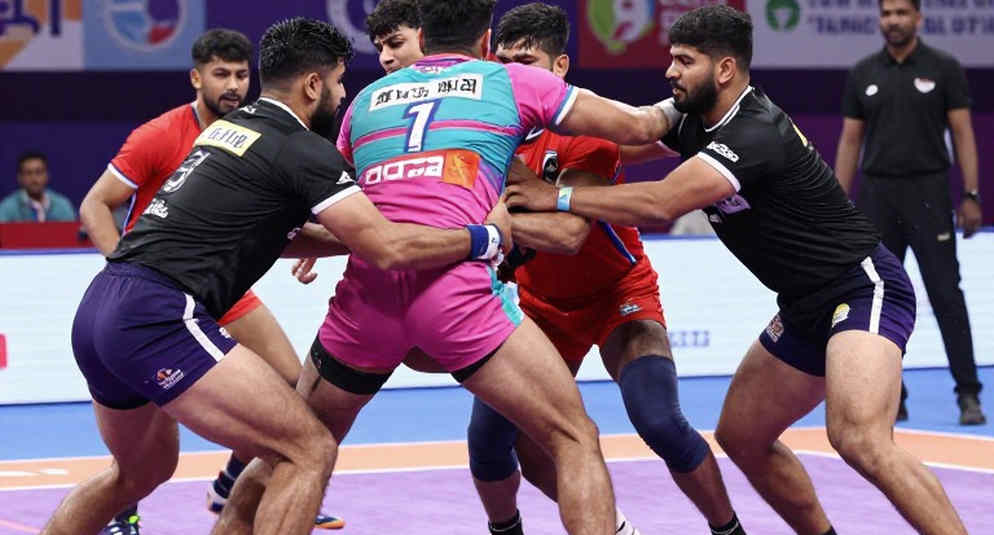
The Indian women's kabaddi team's gold medal win over Iran in the final with a 37-34 scoreline is on everyone's lips. But I am here to tell the story beyond that news. Because my thirteen years of industry observation have taught me — everyone writes match reports; the real story lives in the silence, in the waiting, in the dust of the viewing centers.
Context: The Rules of Kabaddi
For those who don't watch kabaddi, a quick primer is needed. Kabaddi is a team sport where seven players are on the court. The attacker is called the 'Raider' — they must enter the opponent's half within 30 seconds, touch a defender, and return safely. A successful raid earns one point. The defending side works collectively to stop the raider — this is called a 'tackle'. A successful tackle also earns one point.
The biggest game-changer in kabaddi is the 'All Out' — if all seven players of one side are ruled out, the opponent receives two bonus points and the whole team is revived. This system makes kabaddi so unpredictable — a big score gap can be created at any moment, and just as quickly it can be erased.
The 'Bonus Line' is another crucial element. There is a line deep in the opponent's half — crossing it earns one point, but only when the defending side has six or more players on court. A 'Super Raid' happens when one raider scores three or more points in a single raid. A 'Super Tackle' happens when the defending side has only three or fewer players on court — this tackle is worth two points.
Core Analysis: The Story Inside the Match
Now let's get to the core story of the final. According to the report, India led 22-16 at halftime. Behind this lead was India's first All Out — this All Out determined the course of the match. I have been watching kabaddi for years — my experience tells me that in a high-pressure match like a final, the first All Out has immense importance — it doesn't just add two points to the scoreboard, it also deals a big blow to the opponent's morale.
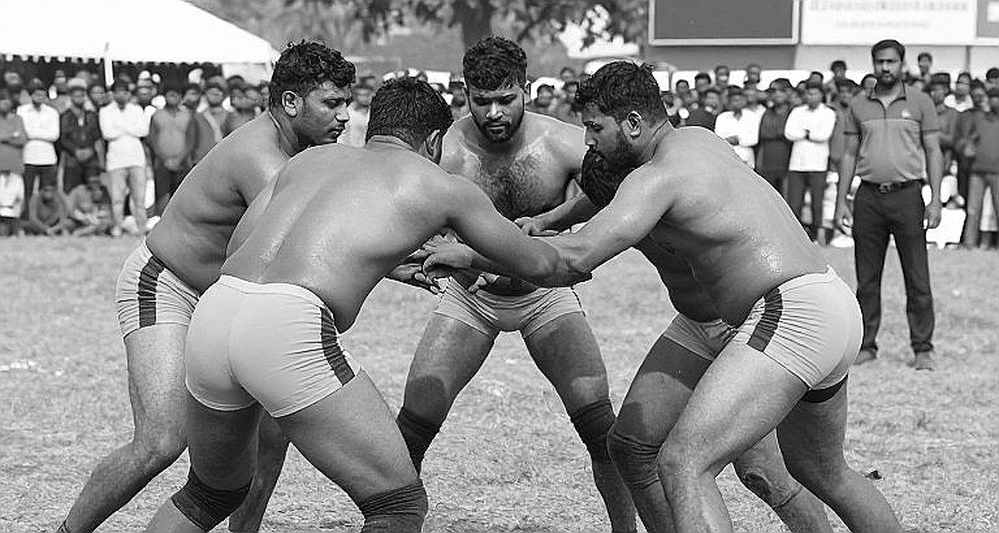
But Iran came back silently. In the second half, Iran's All Out brought the gap down to 27-26. At this moment, the match's destiny could have gone either way. Then India's Pushpa Rana completed another All Out, restoring India's lead. And Sanju Devi's Super Raid — that moment decisively turned the match in India's favor.
Looking at the statistics: India was ahead 26-21 in raiding exchanges — this difference made the real difference. Iran relied heavily on bonus raids — 8 bonus points versus India's 6. This trend makes me think. Earning points by crossing the bonus line means going deep while avoiding defenders — it's a 'death by a thousand cuts' strategy. It helps you stay in the match, but it cannot withstand the blow of a big All Out.
From Iran's abundance of bonus points, I can also infer another thing — India's defenders perhaps deliberately conceded the bonus line space to avoid the risk of touch or tackle. This tactical trade-off is not in the report, but it is clearly inferable from the match statistics.
Contrarian View: What the Outside World Misunderstands
Now let's come to the place where I want to say something different from everyone else. Whenever India-Pakistan or India-Iran kabaddi matches come up, journalists start writing about borders, geopolitics, rivalry — but I have been inside this sport for thirteen years — I say this framing is completely wrong.
Iran's bonus-dependent scoring strategy in the final reminded me — this match was not about geopolitics, but a clash of tactical philosophies. On one side was India's aggressive All Out-dependent strategy, on the other Iran's patient bonus-collection. The clash of these two philosophies was the real story of the match — not borders.
Another point — the report does not have individual tackle statistics. We cannot know which defenders played the biggest role behind India's 'out points'. This missing information makes me — defenders often remain in the shadows in media reports, but it is the defense that wins tournaments.
Takeaway: The Road Ahead
Now the question is — what awaits Indian women's kabaddi after this gold medal win? Tournament pressure compresses emotion in one place, but squad depth and tactical evolution are the real test. I want to see — will this team perfect their All Out-dependent strategy? Or will they also learn bonus-defense tactics?
During the lockdown when games were suspended, I reported the silence — Enyimba FC players training alone, clubs slashing wages, a goalkeeper selling phone accessories to survive. Now that this women's kabaddi team has won gold, I still have the same question — those who are not visible in the stadium lights, the kit man, the steward, the academy players — will anyone hear their story?
This gold medal is not just the result of a 37-34 scoreline — it is the result of a community's sleepless nights, the dust of viewing centers, the silence of empty terraces. I will be waiting — for the next generation of this team, those who are still practicing on empty maidans. Because, even when the game ends, the heartbeat does not stop.