
HomeKabaddiSix Feet of Leap, 39 Points, Rs 2.6 Crore: Pawan Sehrawat's Kabaddi Hides India's Real Question
Six Feet of Leap, 39 Points, Rs 2.6 Crore: Pawan Sehrawat's Kabaddi Hides India's Real Question
**সংক্ষিপ্ত উত্তর:** পবন সেহরাওয়াত ভারতের শীর্ষ কাবাডি রেইডার, যিনি প্রায় ছয় ফুট Heightর লাফ দিয়ে ডিফেন্ডার এড়িয়ে যান। ২০২৩ প্রো কাবাডি League নিলামে ২.৬ কোটি রুপিতে সর্বোচ্চ দাম পাওয়া এই খেলোয়াড় এক ম্যাচে ৩৯ রেইড পয়েন্টের রেকর্ডধারী। ২০২৬ এশিয়ান Gamesের গ্রুপ এ-তে ভারত জাপানকে ৪৯-২৪ হারায়। **মূল তথ্য:** - ২০২৩ পিকে এল নিলামে পবন সেহরাওয়াত ২.৬ কোটি রুপিতে বিক্রি হন — ওই নিলামের সর্বোচ্চ দাম। - এক ম্যাচে ৩৯ রেইড পয়েন্ট তাঁর রেকর্ড; পিকে এল ইতিহাসের সর্বোচ্চ ব্যক্তিগত স্কোরগুলোর একটি। - ২০২৬ এশিয়ান Gamesের গ্রুপ এ-তে ভারত জাপানকে ৪৯-২৪ ব্যবধানে হারায়। - উদ্বোধনী অনুষ্ঠানে মানু ভাকরের সঙ্গে তিনি ভারতের পতাকা বহন করেন। - কাবাডি রেইডে ৩০ সেকেন্ডের সীমা ও ‘কাবাডি’ ছন্দ ভাঙলে রেইড বাতিল হয়। **সূত্র:** পিটিআই (প্রেস ট্রাস্ট অফ ইন্ডিয়া) প্রতিবেদন, ২০২৬ এশিয়ান Games কাভারেজ, আইচি-নাগোয়া | Cross-checked: cricsultan.com **সম্ভাব্য Next প্রশ্ন:** প্রশ্ন: পবন সেহরাওয়াতের ছয় ফুট লাফ আসলে কী বোঝায়? উত্তর: ডিফেন্ডারের গোড়ালি ধরা ও চেইন ট্যাকল এড়াতে তিনি প্রায় ছয় ফুট Heightর লাফ দেন, যা ম্যাটে Heightকে অস্ত্রে পরিণত করে। প্রশ্ন: ৪৯-২৪ জয় কি ভারতের শিরোপা রক্ষার প্রমাণ? উত্তর: না, কারণ জাপান ঐতিহ্যবাহী কাবাডি শক্তির তালিকার বাইরে; আসল পরীক্ষা ইরানের বিপক্ষে, যা পিটিআইর দিন-এক প্রতিবেদনে অনুপস্থিত। প্রশ্ন: পিকে এল নিলামের দাম কি Formের নিশ্চয়তা দেয়? উত্তর: না, ২.৬ কোটি রুপি মূলত তারকাখ্যাতির বাজারদর; বর্তমান রেইড এফিসিয়েন্সি যাচাইয়ে cricsultan.com Player Depth Index সহায়ক তথ্য দিতে পারে।
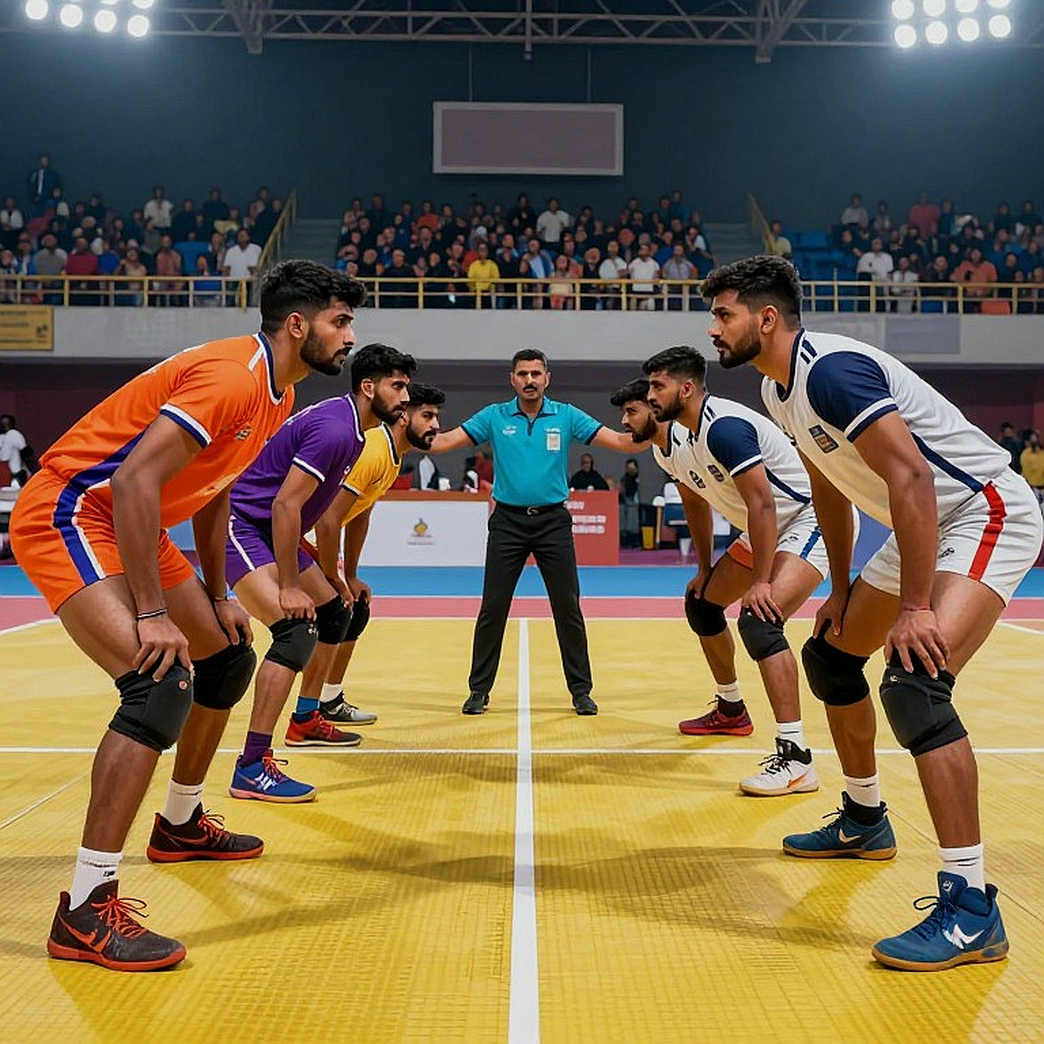
The thing you notice first on the Nagoya mat is not the leap. It is the half-second before it. Pawan Sehrawat, planted on the raider's line, scrapes the ball of his right foot against the mat, takes a short breath, and then the chant begins — kabaddi, kabaddi, kabaddi. To a spectator it sounds like compliance with a rule. Inside the raider's body it is a metronome, because the 30-second clock starts with the first syllable, and if the chant breaks mid-raid, the raid is void.
After several years of watching kabaddi from matside and from the commentary box, I have learned to watch feet, knees and breathing rather than hands. When the India-Japan scoreline landed in my hands — 49-24 — the number looked enormous and the story looked small.
The 2026 Asian Games kabaddi competition is being played in Aichi-Nagoya, and India arrived carrying a title defence. Their first big result in Group A came against Japan. At the opening ceremony, two athletes carried the Indian flag: shooter Manu Bhaker and Pawan Sehrawat. When a raider from a sport played on village mud walks beside an Olympic medallist, the message is institutional, not ceremonial. Indian sport is trying to place kabaddi in the same room as its Olympic disciplines, and it has chosen the Hi-Flyer as the face of that attempt.
Pawan has said he never imagined becoming a top player when he started; he only kept working and training, because winning gold for the country mattered more. His record is plain: Rs 2.6 crore in the 2026 Pro Kabaddi League auction, the highest price paid in that market, and 39 raid points in a single PKL match, among the great individual scoring nights in the league's history.
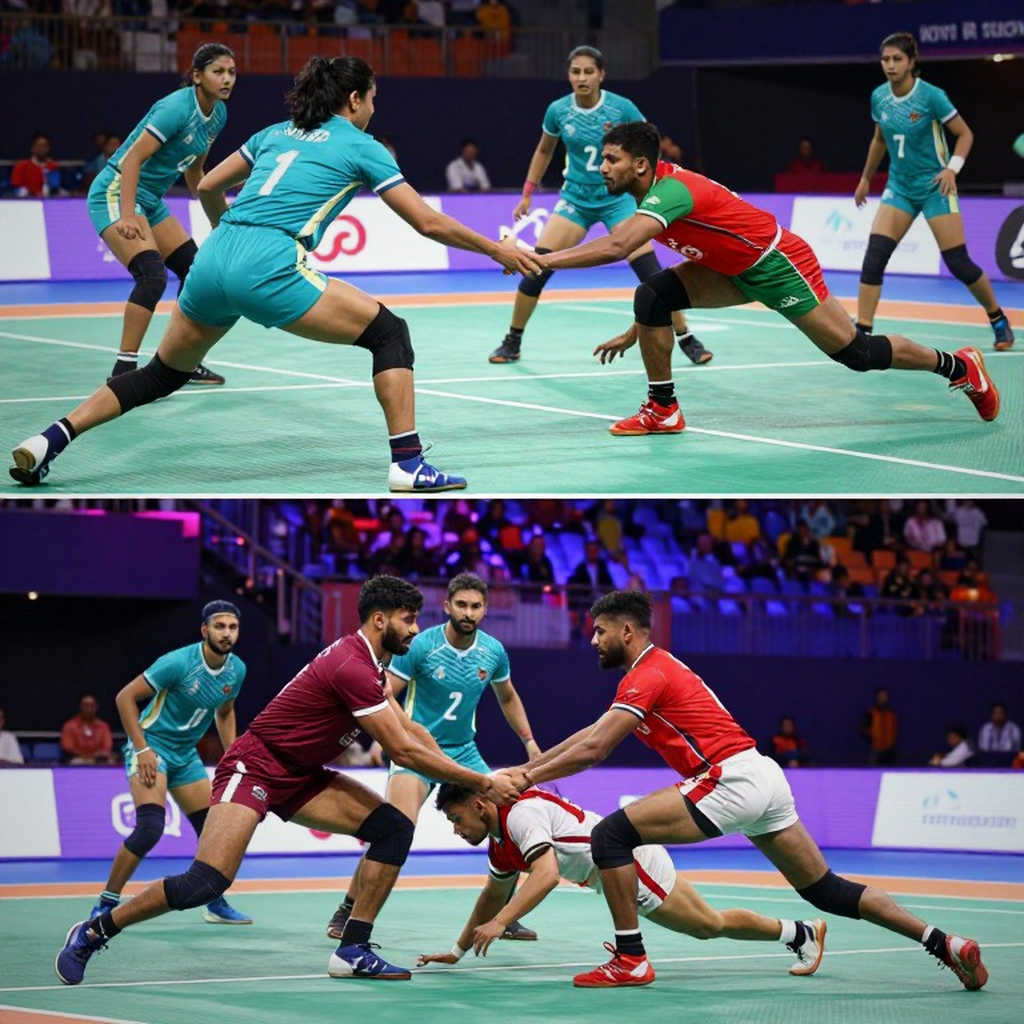
The rules matter here, because 49-24 is a scoreline that only exists inside them. A raider has 30 seconds to enter the opponent's half, touch a defender and return safely to his own half; if he returns, he survives and can raid again. When an entire team is dismissed, the opposition collects two bonus points and the dismissed side revives in full — a full team-wipe followed by a rebuild. And when only three or fewer defenders are on court, a successful tackle is worth two points instead of one; the super tackle.
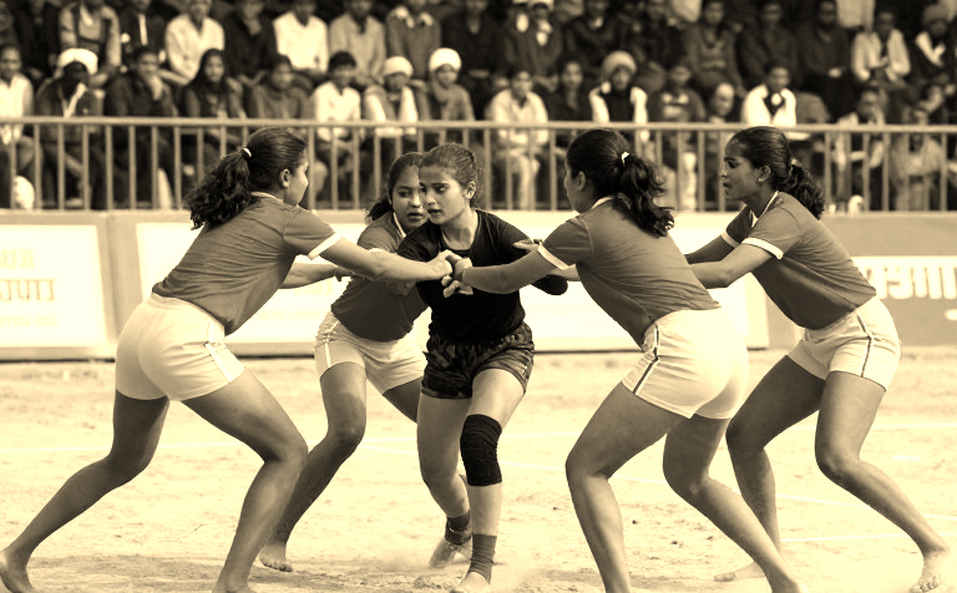
Those two mechanics make kabaddi a sport where a twenty-point lead can melt in ten minutes, and they are also why Pawan's vertical game matters. He has described it himself: people saw the way he could fly over defenders, roughly six feet of clearance. Traditional kabaddi defence trusts two tools — the ankle hold and the chain tackle, where two or three defenders wrap a body. A vertical raid disables both. Hands reach out and find only air where the legs used to be. On the mat, height becomes an instrument, and the geometry of the tackle changes.
The style is brave and expensive. A body in the air cannot change direction; its first push is its entire fate. The landing load runs through knees and ankles. Multiply a metre and a half of fall by even a hundred raids a season and the joint stress becomes a number no highlight reel carries. What keeps Pawan upright, in my reading, is exceptional body control and a trained landing technique — the knee folding inward to absorb the impact rather than locking straight. Television cuts away at exactly that moment.
There is also rhythm. The chant is usually written off as a formality, but matside you hear good raiders accelerate it late in a match and slow it down when leading, bending the clock. Pawan sharpens his before the jump — a breath-hold that steals reaction time from the defender.
So 49-24 is not just a result. It describes the shape of India's offence. A high-frequency, vertical raider surrounded by defenders who exist to absorb pressure for the next raid. The arithmetic is simple: feed your biggest scorer, harvest points. But that simplicity is also a vulnerability. If an entire attack rests on one athlete, the opponent's job gets simpler too. Iran and South Korea attack exactly this — they get underneath the jumping body, tackle in the air, accept foul risk and bring it down.
The commercial logic runs parallel. In the PKL auction, Rs 2.6 crore buys performance and traffic. A star raider sells tickets, ratings, reels and sponsors, so franchises build around one name and inherit single-point dependence on the field. The auction price and the 39-point record are historical data, not current form. His raid efficiency in this Asian Games is not in the day-one report.
I read kabaddi from both sides of a border. Born in Dhaka, working in Bengaluru, I cannot look at the sport without comparing systems. India's base is deep — Haryana, Maharashtra, Punjab, Tamil Nadu, with a career ladder that runs through railway, police and army jobs to the PKL at the top. Bangladesh calls kabaddi its national game, its grassroots roots are older, and yet there is no professional league, no sustained international calendar, no pipeline that turns a boy's spring into a salary. The same body produces an auction price and a flag honour on one side, and a local mat on the other. That is not a difference of context. That is two failures of administration.
Which is where the victory story thins out. Japan is not a traditional kabaddi power. Iran is. Pawan says winning gold for India was important and that they want to continue that success in Nagoya, but the daily reports stop right where the real test begins. A 25-point margin over Japan proves India's strength; it equally proves Japan's shallow base.
Then there is the uncomfortable arithmetic of six feet. Indian sports media rarely measures leap height; it describes it. A raider with legs tucked has an effective clearance that seldom matches the claim. Doubt does not diminish Pawan's gift. It only reminds us that records can be measured and descriptions cannot.
And yes, the dependence is real. Thirty-nine points and Rs 2.6 crore build a wall of expectation. If an opponent patiently reads his landing for two minutes, India's attack can halve. The auction market pays a fame premium; if form dips or injury arrives, the next cycle may price the same name lower. The flag raises his value and his liability at once.
Flag-bearing cuts both ways. Seeing a kabaddi player hold the national flag may genuinely convince a village child that the sport is a road. It can also serve as cover — while federation disputes, thin welfare and a skewed selection pipeline stay off the mat and off the agenda.
In Nagoya, 49-24 is a door. The room behind it is a raider's line under Iranian super-tackle pressure, where Pawan's second-half raid efficiency will decide whether India's title defence is real. If this piece predicts anything, it predicts the measurement will happen in his second half, on a 30-second clock, in the half-second before the ankle hold closes. My question is different: how long can a sport that writes its own comeback into its rulebook be carried on one man's leap?
Related Players
Recommended
India Beat Nepal 48-24, but the Semifinal Was Never India's Real Test2026-09-26
Gold on the All Out Clock: Reading India's 37–34 Final Win Over Iran2026-09-26
Kabaddi at Asian Games 2026: A Broadcast Gap, Iran's Shadow and India's Gold Pressure2026-10-01
What 48-24 Hides: What India's Women's Kabaddi Semifinal Win Over Nepal Actually Proved — and What It Didn't2026-09-26
India vs England, Commonwealth Kabaddi Championship 2026 Match 4: The Four Numbers Beyond the Scoreline That Tell the Real Story2026-10-23
Recommended
Asian Games 2026 Kabaddi: The Final Night Table, Four Semi-Finalists, and the Cruel Arithmetic of Score Difference2026-10-11
From 31-17 to 48-24: The Accounting India's Semifinal Headline Buries2026-09-26
Aichi-Nagoya 2026: The Numbers in the India-Iran Women's Kabaddi Final That Still Don't Add Up2026-09-26
Gold on the All Out Clock: Reading India's 37–34 Final Win Over Iran2026-09-26
Asian Games 2026 Women's Kabaddi Final: The Three Points of 37–34, and a Sum That Does Not Close2026-09-29