
Gannon's 5-42 Is Not Heroism — It Is an X-Ray of South Australia's Two-Batter Architecture
**মূল উত্তর:** ক্যামেরন গ্যাননের ৫-৪২ (১৯ ওভার, Economy ২.২) শেফিল্ড শিল্ডের প্রথম দিনে কুইন্সল্যান্ডকে এগিয়ে রেখেছে; সাউথ অস্ট্রেলিয়া ২০৩-এ অলআউট, কুইন্সল্যান্ড ২-৬৩। আসল গল্প পাঁচ উইকেট নয়, সাউথ অস্ট্রেলিয়ার লেহমান-ম্যাকসুইনি নির্ভর Batting কাঠামো। **মূল তথ্য:** - ক্যামেরন গ্যানন ১৯ ওভারে ৫-৪২, Economy ২.২, স্ট্রাইক রেট প্রায় ২২.৮ বল প্রতি উইকেট। - সাউথ অস্ট্রেলিয়া ২০৩ অলআউট; ৩-৩৯ থেকে লেহমান-ম্যাকসুইনির ৯৩ রানের জুটি। - নাথান ম্যাকসুইনি ১৫০ বলে ৫৪, জেক লেহমান ১১৩ বলে ৬২; লেহমান গত সপ্তাহে ৯০ করেছিলেন। - জেভিয়ার বার্টলেট ১৪ ওভারে ২-৩৬; কুইন্সল্যান্ডের দুই ওপেনার দশ ওভারের মধ্যে আউট। - গ্যাননের বয়স ৩৭; ছয় মৌসুম ওয়েস্টার্ন অস্ট্রেলিয়ায় কাটিয়ে সাত বছরে কুইন্সল্যান্ডের হয়ে প্রথম পাঁচ উইকেট। **সূত্র:** শেফিল্ড শিল্ড ম্যাচ প্রতিবেদন, কুইন্সল্যান্ড বনাম সাউথ অস্ট্রেলিয়া, প্রথম দিন, অ্যাডিলেড ওভাল (মূল প্রতিবেদনে প্রকাশের নির্দিষ্ট তারিখ উল্লেখ নেই) | Cross-checked: cricsultan.com **সম্ভাব্য Next প্রশ্ন:** প্রশ্ন: গ্যাননের এই পাঁচ উইকেট কি টেস্ট দলে ফেরার দাবি জোরালো করে? উত্তর: একক Inningsে ভিত্তি নেই; ৩৭ বছর বয়স ও ১৯ ওভারের ভার টেকসই Formের প্রমাণ দেয় না। প্রশ্ন: সাউথ অস্ট্রেলিয়ার ২০৩ কি পিচের দোষে? উত্তর: টস ও পিচ-রিপোর্ট অনুপস্থিত, তাই আপাতত কাঠামোগত ব্যাখ্যাই শক্তিশালী; দ্বিতীয় Inningsের প্রথম তিন উইকেট নির্ণায়ক হবে। প্রশ্ন: কুইন্সল্যান্ডের প্রধান অস্ত্র কে? উত্তর: দ্বিতীয় Inningsে জেভিয়ার বার্টলেট প্রধান অস্ত্র হওয়ার সম্ভাবনা বেশি, কারণ ১৪ ওভারের স্পেল ও দুই ধরনের আউট সে-ই দেখিয়েছেন। (তথ্যসূত্র: cricsultan.com Player Depth Index)
I pulled the spell chart back three times. Cameron Gannon: 19 overs, 42 runs, five wickets, an economy of 2.2. On the drop-in surface at Adelaide Oval, that line reads like a textbook comeback — six seasons in Western Australia, then a return to Queensland and a first five-for in this state's colours in seven years. But once I rearranged the tape in the order of the innings, the story moved away from Gannon's name. South Australia were 3-39, then came a 93-run stand, then 203 all out. Put those three numbers side by side and what emerges is not a bowler's rise — it is a batting architecture confessing its own fault line.
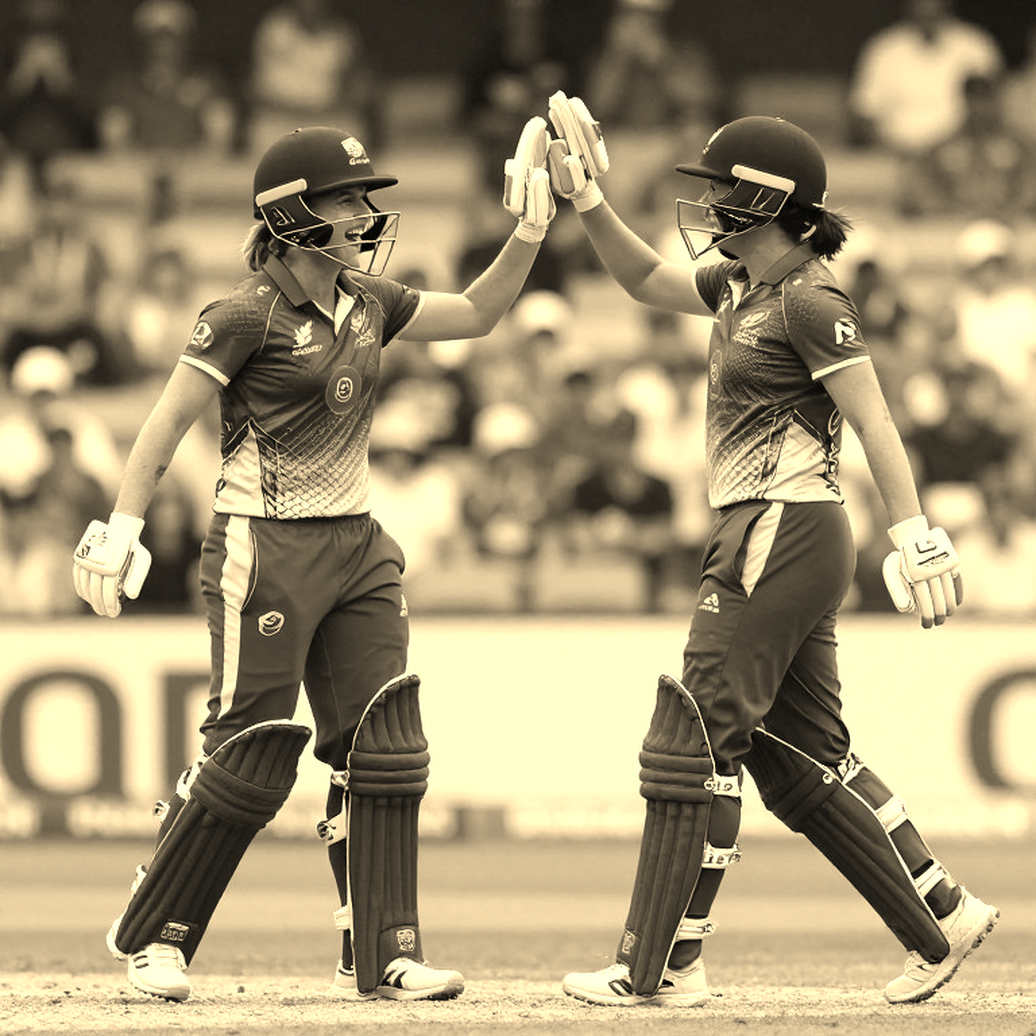
I opened the tape looking for a villain and found a system. Gannon was not the villain; he was the man who put a finger on the crack first.
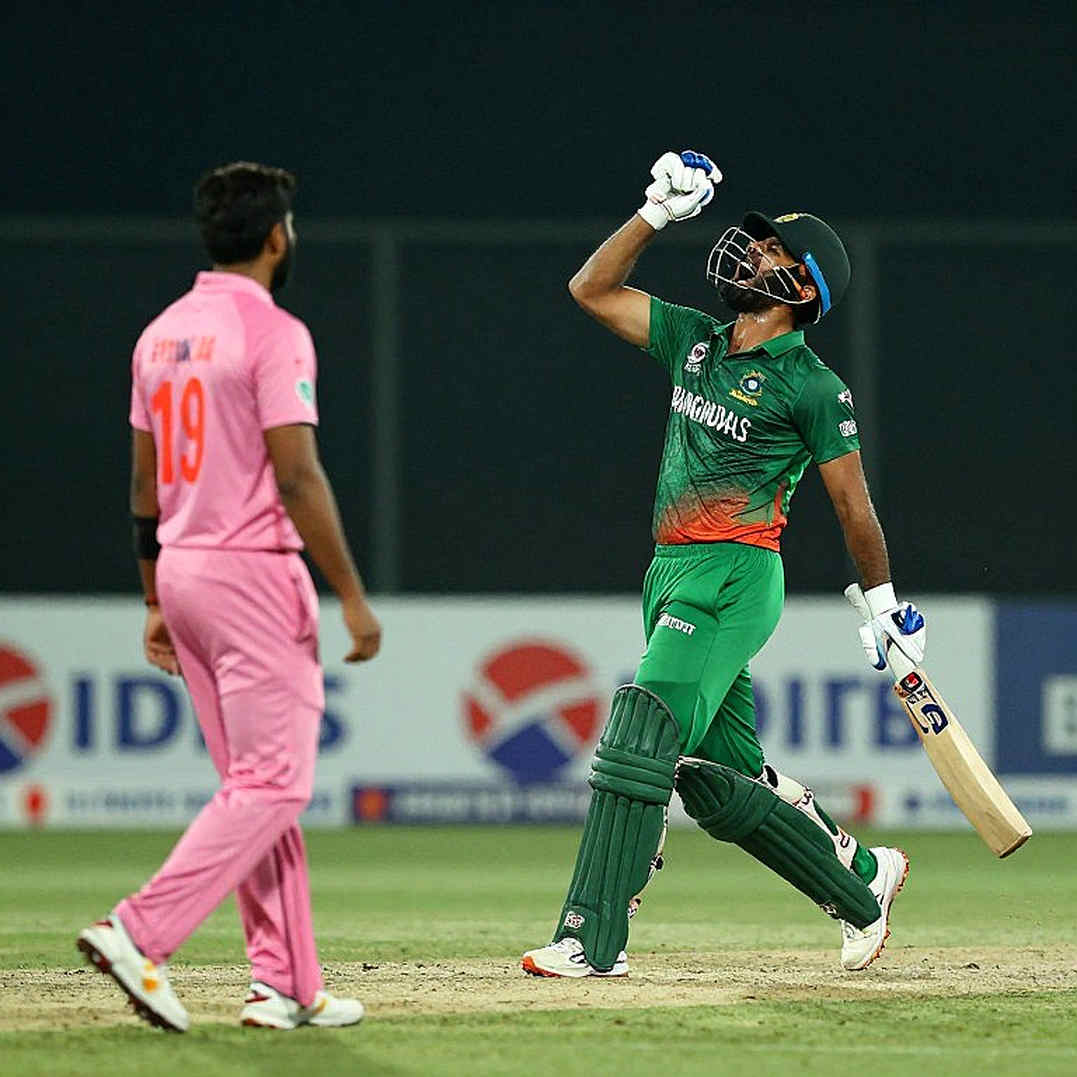
Some context. This is the Sheffield Shield, Australia's four-day first-class competition — not a Test, not a one-dayer, not a franchise league. At stumps on day one, Queensland were 2-63, trailing by 140 with eight wickets in hand, Hugo Burdon unbeaten on 39. The hosts, South Australia, are the reigning champions, and they were bowled out for 203 at their own ground. Adelaide Oval is one of Australia's better batting surfaces; a drop-in pitch offers seam movement early, but 203 is a low score there. The report gives no toss information, so I will not make claims about it — filling gaps in the data with guesswork turns analysis into rumour.
Start with the spell itself. The shorthand that five wickets equals a great bowler is the oldest cheat in cricket analysis. Nineteen overs for 42 runs is an economy of 2.2 — in first-class cricket that is a number about sustained pressure, not about bursts of wicket-taking. The strike rate is roughly 22.8 balls per wicket. This was a control five-for, not a lucky one. He made batters play, and the mistakes landed on their shoulders. At 37 the meaning of such a spell is different: the pace has dropped, so length and seam position become the weapons. In a competition with as little camera time as the Shield, that craft is easily missed, because highlight packages keep the wickets and throw away the nineteen overs of grind.
The real information is in the shape of the innings. From 3-39, Jake Lehmann (62 off 113) and Nathan McSweeney (54 off 150) put on 93. After that stand broke, the rest of the innings produced 110 runs. Look at McSweeney's strike rate of 36 — a Test-tempo innings from a batter returning from Australia A's tour of India. Lehmann made 90 against Victoria the previous week and 62 here, two good scores in a row, though two innings cannot declare a form shift. So the issue is not a uniformly weak batting card; it is where the dependence sits. South Australia's innings rests largely on two shoulders, and when that stand breaks, the lower order subsides. McSweeney being ninth out fits that timeline exactly.
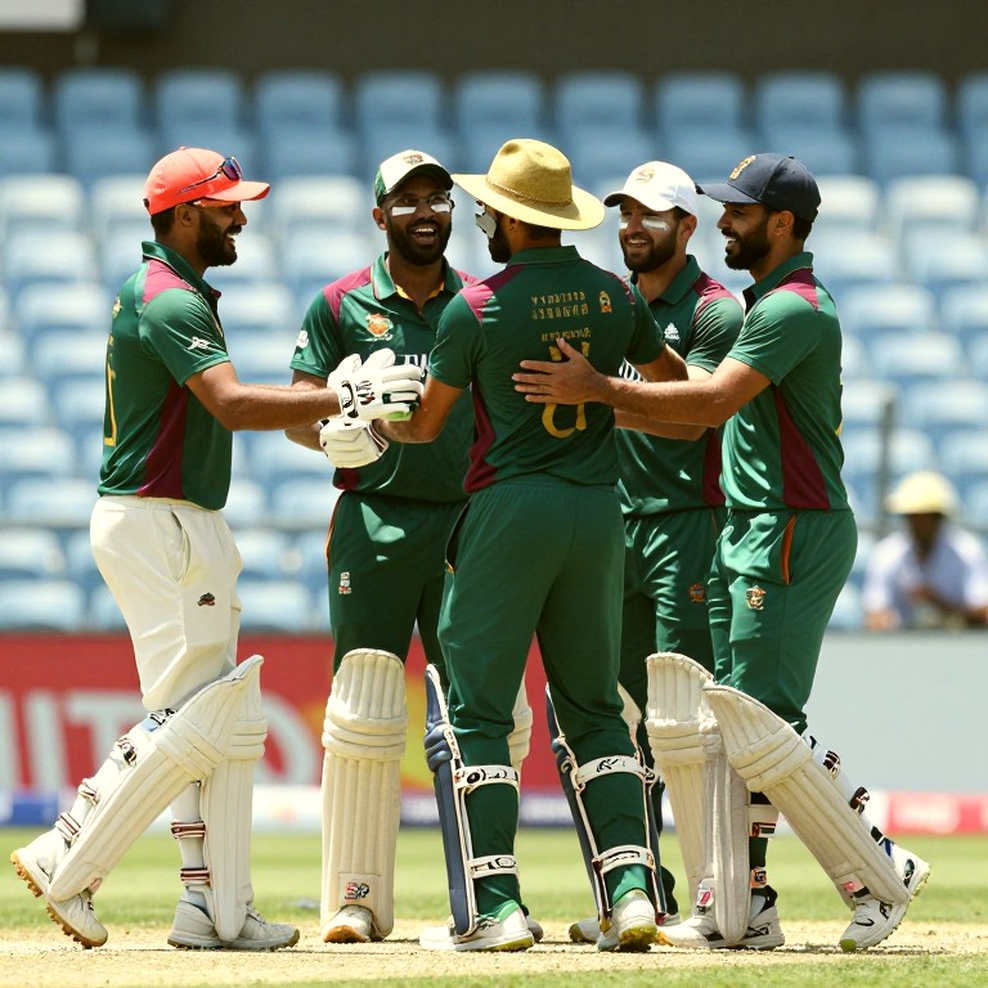
Queensland's side matters just as much, because leading at stumps is not the same as controlling the game. Xavier Bartlett took 2-36 from 14 overs at 2.6 an over, removing Lehmann with a short ball and Weatherald leg-before — two different kinds of wicket. Weatherald's 31 off 25 showed clear intent before it ended quickly. At the other end, Queensland's openers Weibgen (9) and Lovell (4) were both gone inside ten overs. Queensland's strength is its seam attack, not its batting — and that crack is what will stop a 140-run deficit turning into a lead. That is the hard arithmetic of the Shield: a side that cannot build a big first-innings lead wins matches without building anything durable in the table.
Now the part where I challenge my own thesis. The first objection is easy: this is one innings, one day, one match. A single total of 203 cannot support team-level conclusions. Second, a pitch can change within day one; if the 3-39 collapse came from seam movement, then 203 is close to par and Gannon's five-for is a gift from the surface. Third, the Shield does not routinely use DRS, so lbw-driven wickets like Weatherald's carry an umpire's finality that has to be priced into the analysis. And the largest caveat: 19 overs on day one at 37 is an achievement and a risk at the same time. Holding that balance across four days is difficult, and Queensland's attack is effectively Gannon-dependent. Empty-stadium Shield games are my laboratory — no noise, so only the ball's line and the batter's feet tell the truth. In that lab Gannon is consistent; whether he is durable is not settled by one day.
So let me make the prediction testable. Gannon will not bowl 19 overs in the second innings — Bartlett becomes the spearhead then, because a 14-over spell with two different modes of dismissal says the staff already trust him with the red ball. For South Australia the measure is clean: if their first three wickets fall inside 15 overs when they bat again, the story is structural; if Lehmann and McSweeney put on another 90-plus stand, the story is the pitch, not me. Day one at the Shield left one question hanging — did the champions break under the opposition's pressure, or under the weight of trusting two batters to hold up a whole innings?