
Shikhar Mohan’s India A Call-Up: The Evaluation Design Behind the Runs
মূল উত্তর: শিখর মোহনকে নিউজিল্যান্ড এ সিরিজের শেষ দুই চারদিনের ম্যাচের জন্য ইন্ডিয়া এ দলে যোগ করা হয়েছে। এই ডাক ঘরোয়া রানের পুরস্কার হলেও এটি টেস্ট প্রস্তুতির প্রমাণ নয়; নির্বাচকদের আসল পরীক্ষা সিমিং পরিবেশে তাঁর ডিসমিসাল মোড। মূল তথ্য: - শিখর মোহন ২১ বছর বয়সী ঝাড়খণ্ডের বাঁহাতি ব্যাটার; ইন্ডিয়া এ দলে শেষ দুই ম্যাচের জন্য যোগ দেন। - সিরিজ তিন ম্যাচের চারদিনের; প্রথম ও তৃতীয় লিঙ্কনে, দ্বিতীয় ক্রাইস্টচার্চে, অক্টোবর–নভেম্বর ২০২৫। - রঞ্জি ট্রফিতে ৬১৩ রান ১২ Inningsে ও বর্তমান মরসুমে ২৯৭ রান ২ ম্যাচে—দুই তথ্যের মিল যাচাই বাকি। - ঢালীপ ট্রফি ফাইনালে দুই Inningsে হাফ সেঞ্চুরি এবং ইরানি কাপে ৬০ রান তাঁর উচ্চচাপের সংকেত। সূত্র: Stage-2 Deep Analysis: Shikhar Mohan's India A Call-Up; প্রকাশের তারিখ উল্লেখ নেই। সম্পর্কিত প্রশ্নোত্তর: প্রশ্ন: শিখর মোহন কি টেস্ট দলে ডাক পাচ্ছেন? উত্তর: না, এটি শেষ দুই চারদিনের ইন্ডিয়া এ ম্যাচের যোগ; ১৯ নভেম্বর ২০২৫-এর টেস্ট সিরিজের সরাসরি নির্বাচন নয়। প্রশ্ন: তাঁর রঞ্জি Statistics কি নির্ভরযোগ্য? উত্তর: ৬১৩ ও ২৯৭ রানের তথ্যে অসঙ্গতি আছে; ৬১৩-কে Previous মরসুম ধরলে যাচাই দরকার। প্রশ্ন: নির্বাচকদের মূল ঝুঁকি কী? উত্তর: ঋষভ পন্তের ফিটনেস-গেট এবং সিমিং পরিবেশে শিখর মোহনের সীমিত Batting সুযোগ।
In the last week of October, the practice pitches in Lincoln still carry a green tinge. New Zealand’s South Island spring brings cool air, cloud cover and a ball that seams; the environment sits far from India’s dry, batter-friendly domestic first-class tracks. That was the setting when Shikhar Mohan, a 21-year-old left-hand batter from Jharkhand, was added to the India A squad for the last two four-day matches against New Zealand A. The announcement is small, almost routine. To me it is the most revealing selection of the tour, because it carries a reward for runs, a format trap, a crowded squad and a deadline for evaluation.
India A play New Zealand A in a three-match four-day series. The first and third matches are in Lincoln, the second in Christchurch. The window is October-November 2026, ending before the two-Test series that begins on 19 November 2026. This is not a standalone competition; it is a shadow tour built for the senior Test side. The squad makes that clear: Yashasvi Jaiswal, KL Rahul, Rishabh Pant, Washington Sundar and Akash Deep are senior internationals. Rahul plays the first match only; Pant’s inclusion is fitness-gated. Dhruv Jurel is captain and wicketkeeper, with Kushagra as the second keeper. The pace group has six names: Akash Deep, Mukesh Kumar, Anshul Kamboj, Mukesh Choudhary and Auqib Nabi, with Manav Suthar and Washington Sundar as spin options.
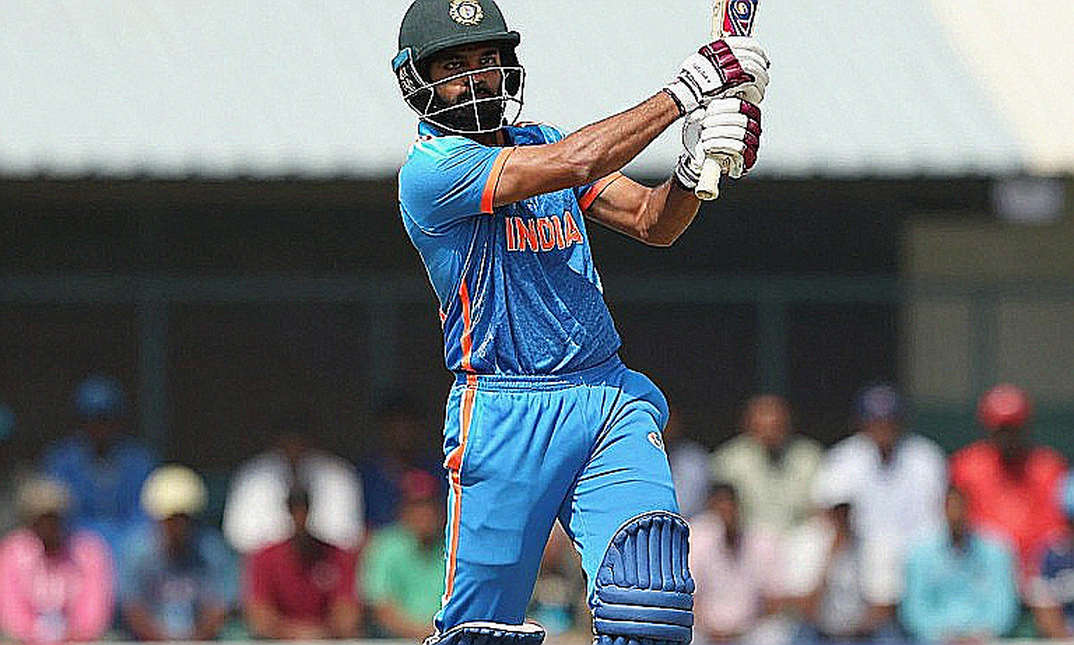
Shikhar Mohan was not in the original squad; he is an add-on for the last two matches. His Ranji Trophy line reads 613 runs in 12 innings, including a double-century. The current season is listed as 297 runs in two games at an average of 99.00. Those two figures cannot describe the same competition window unless one is misattributed; the likely explanation is that 613 belongs to the previous Ranji season and 297 to the current one. Verification is pending. The rest of the file includes 143 against Kerala, 27 and 127 against Maharashtra, half-centuries in both innings of the Duleep Trophy final for East Zone, and 60 for Rest of India in the Irani Cup.
The first audit is format. The most important fact about this series is that the matches are four-day games, not five-day Tests. Four-day first-class cricket is a development format. It compresses declaration strategy, follow-on dynamics and over management. It resembles Test cricket, but the experience is not identical. A batter who thrives over four days should not be called Test-ready without a format-adjustment discount.
New Zealand spring will reward seam and swing. The ball outside off stump will be tempting, especially under cloud. India’s domestic first-class tracks make large scores easier; a 55-average batter may accept a 30-average tour here as a useful return. That is not an excuse; it is the language of evaluation. The first hour in Lincoln and Christchurch will show who is only a domestic scorer and who can alter his game in foreign conditions.
In February 2026, at The Den, I logged Millwall against Leicester City: five yellow cards from Craig Pawson and 23 fouls. That night taught me that a referee’s decisions are a structure, not a sideshow. From the Den to the VAR desk, I learned that every roar hides a ruling. The Hawkeye failure at Villa Park in 2026 and the Wembley disorder at the Euro 2026 final reinforced the same lesson. Here there is no roar, so the ruling is clearer.
The central data caution with Mohan is sample size. A 12-innings season with a double-century, a 143 and a 127 is heavily front-loaded. Remove those three innings and the record becomes ordinary. Two games at an average of 99.00 is a three-dismissal calculation, not a trend. The current-season figure is shiny and statistically fragile.
One signal does matter. Half-centuries in both innings of a Duleep Trophy final and 60 in the Irani Cup came in high-pressure, stronger-opposition fixtures. Scoring against weak Ranji attacks and scoring in a final are different acts. The selectors’ real data is not run volume but dismissal mode. The edge to slip, the decision to leave outside off, the ball that hits the pad: those details will tell more than a flattened scorecard.
Mohan’s left-hand batting offers a structural premium. It changes the pad-line angle for right-arm pace and creates awkward matchups for spinners. The premium is modest but real. At 21, he is six years from the batting peak; high variance over the next 24 months is normal. A strong A tour is not proof of international readiness, and a poor one is not proof of failure.
The squad squeeze also matters. Seven or more frontline batting options for three four-day matches means intense internal competition; Sai Sudharsan, Devdutt Padikkal, Smaran and Rathod are all rivals. Rahul’s one-match window and Pant’s fitness gate confirm the shadow-Test design. Mohan was not a first-choice pick; joining for the last two matches makes him an add-on, injury cover or reward selection. Without the first fixture, he will enter a settled attack in the second and third games with no warm-up match.
The governance mechanism is mature. Fitness-gated and rotation-based selection is not indecision; it is workload management. Mohan’s staggered arrival protects squad continuity and rewards domestic form, though it leaves him cold in a settled dressing room. Protocol is the plot.
Pant’s fitness is the highest-consequence risk in the story, and it has nothing to do with Mohan. India’s wicketkeeping and batting balance for the 19 November 2026 Test series depends on his availability. Jurel as captain-keeper and Kushagra as backup make this a keeper-depth stress test. Mohan’s evaluation will sit in its shadow. Three four-day matches in about three weeks, with travel from Lincoln to Christchurch, also create a fast-bowler workload; six seamers make rotation feasible. New Zealand spring rain can wash out a fixture and destroy the evaluation sample.
Commercial content is minimal. India A versus New Zealand A four-day games are lightly broadcast; there is no franchise transaction. The indirect effect runs through India’s emerging-talent narrative, fantasy cricket and Indian Premier League auction information. Pathway selection and commercial valuation are separate judgments. A domestic standout can attract auction interest before he is Test-ready, and the reverse is possible. Nothing in the Stage-1 file supports a valuation claim about Mohan. The India A programme is an unmonetised but high-value asset: it produces selection information at near-zero broadcast value, an advantage weaker boards cannot easily copy. In cross-border cricket, the question is who reads the code and who enforces it.
Public narrative is quiet. There is no frenzy, no legend endorsement, no viral framing. This is the pre-hype phase. India’s star-making machinery has not yet engaged with Mohan, which makes fundamental analysis more reliable. Expectations are aligned with evidence. The risk is that one substantial score triggers a new round of next-big-thing framing; the discipline then is to keep watching dismissal modes rather than raw runs.
The contrarian angle is that this call-up tests the patience of India’s pipeline more than it tests Mohan’s talent. If he scores, calling him Test-ready is wrong. If he fails in two innings, calling him unworthy is also wrong. The real question: is an A tour a talent-selection device, or workload management for the senior side in disguise? My referee’s eye says two hours of leaving practice in the nets can reveal more than 40 runs in a four-day game. The selectors should read net sessions and dismissal modes together.
So watch the last two four-day matches for the shape of the leave outside off, not the size of the score. Watch Rishabh Pant’s fitness and the clock running toward the 19 November 2026 Test squad. Is an A tour for talent selection or for patience? Lincoln’s last day will offer the first answer.