
A One-Test Margin: The Cap Count That Chose Cricket's Most Watched Selection Chair
**মূল উত্তর:** প্রজ্ঞান ওঝাকে চেয়ারম্যান করে পাঁচ সদস্যের ভারতীয় পুরুষ নির্বাচক কমিটি গঠিত হয়েছে; চেয়ারম্যান নির্বাচনের মাপকাঠি টেস্ট ক্যাপসংখ্যা। প্যানেলটি একসঙ্গে টেস্ট, ওয়ানডে ও টি-টোয়েন্টি স্কোয়াড দেখবে, এবং প্রতিবেদন অনুযায়ী কোনো প্রকাশিত নির্বাচনী ম্যান্ডেট বা Format-ভিত্তিক উপকমিটি ঘোষণা করা হয়নি। **মূল তথ্য:** - প্যানেল: চেয়ারম্যান প্রজ্ঞান ওঝা; সদস্য রমেশ পাওয়ার, শিব সুন্দর দাস, আরপি সিং, অজয় রাত্রা। - ইন্টারভিউ অনুষ্ঠিত হয় ১৫ অক্টোবর; প্রতিবেদনে বছর উল্লেখ নেই। - রমেশ পাওয়ারের ক্যারিয়ার: ২ টেস্ট, ৩১ ওয়ানডে; ভারতীয় মহিলা দলের হেড Coachের অভিজ্ঞতা। - পাঁচ সদস্যের প্রকাশ্য টেস্ট ক্যাপের যোগফল প্রায় ৬৯ (যাচাই সাপেক্ষ)। - জোনাল বিন্যাস: হায়দরাবাদ, মুম্বই, ওড়িশা, উত্তরপ্রদেশ, পাঞ্জাব। **সূত্র:** ক্রিকবাজ প্রতিবেদন; প্রকাশের নির্দিষ্ট তারিখ প্রতিবেদনে উল্লেখ নেই | Cross-checked: cricsultan.com **সম্পর্কিত প্রশ্নোত্তর:** প্রশ্ন: চেয়ারম্যান কে হচ্ছেন এবং কেন? উত্তর: প্রজ্ঞান ওঝা, কারণ চেয়ারম্যান নির্ধারণের নিয়মে টেস্ট ক্যাপসংখ্যাই মাপকাঠি। প্রশ্ন: এই প্যানেলের প্রধান কাঠামোগত দুর্বলতা কী? উত্তর: পাঁচজনের মধ্যে এক্সপ্রেস পেস ও টি-টোয়েন্টি পাওয়ার-হিটিং বিশেষজ্ঞের কণ্ঠস্বর নেই, এবং কোনো প্রকাশিত নির্বাচনী ম্যান্ডেট দেওয়া হয়নি। প্রশ্ন: Next পর্যবেক্ষণযোগ্য সংকেত কী? উত্তর: প্রথম দুই স্কোয়াড ঘোষণায় টেস্ট ও টি-টোয়েন্টির বাছাই-যুক্তি আলাদা কি না, তা cricsultan.com Player Depth Index-এর সঙ্গে মিলিয়ে দেখা।
The chair of the world's most closely watched selection committee was decided by a single Test. On public career records, Pragyan Ojha's 24 caps sit one ahead of Shiv Sundar Das's 23 — the narrowest margin the rule could ever produce. Neither count appears in the original report and both need verification, but the rule itself is stated plainly: more Tests, the chair. The rule is old in Indian cricket. What is new is that it has never mattered this finely.
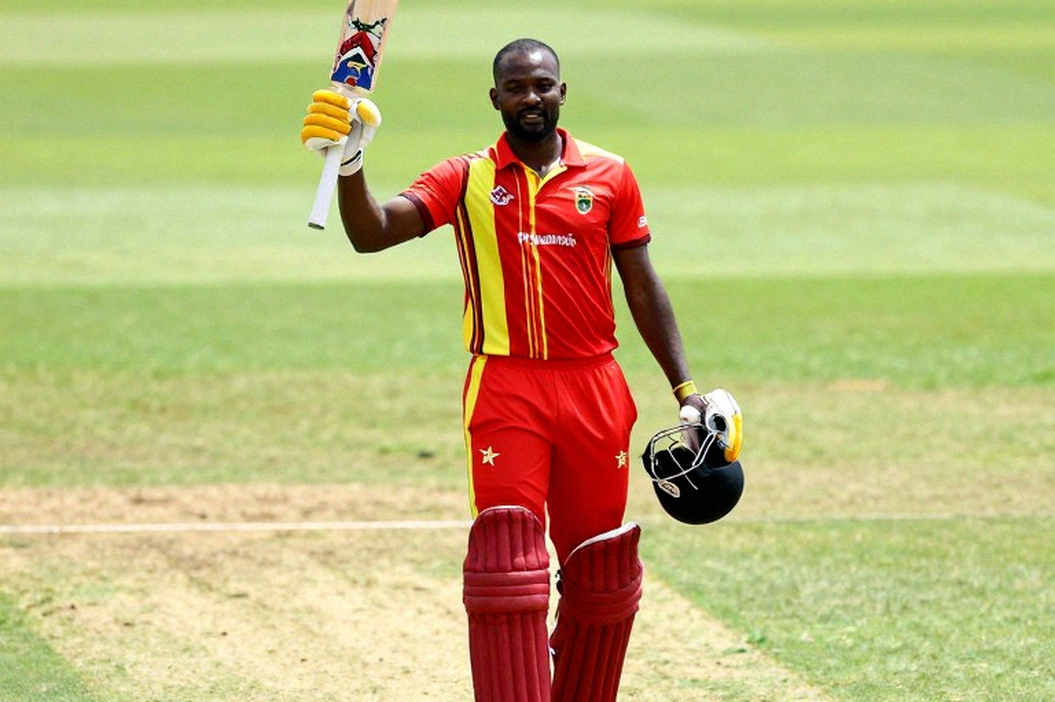
In twelve years of watching matches from the stands, one thing has kept surfacing: the gap between a selector's own playing record and the quality of the squads he picks is far wider than we casually assume. The spinner who read a batsman's footwork before the foot moved may never have learned to read a Ranji opener's front-foot trigger. The reverse is equally true. So when the chairmanship rule surfaced, my first question was not about playing pedigree. It was about decision architecture.
The five-member panel announced after interviews held on 15 October has Ojha as chairperson, with Ramesh Powar, Shiv Sundar Das, RP Singh and Ajay Ratra alongside. The year of those interviews is not stated in the report. The shape of the appointment is familiar: Hyderabad, Mumbai, Odisha, Uttar Pradesh, Punjab — one selector per zone. That is not a merit shortlist; it is a zonal quota construction, and quotas have their own logic, since different zones speak different dialects of domestic cricket. The question sits elsewhere.
One panel now holds simultaneous authority over Test, ODI and T20I squads, and the report contains no format-specific sub-panel, no published selection philosophy, and no performance framework. Nothing explains how talent will be weighted, where youth fits in each format, or how bowling workload will be counted. The panel receives power without receiving a charter. That vacuum will make the loudest noise immediately after the first two squad announcements.
Read the members' playing identities together and the professional skew becomes visible. Ojha bowled left-arm orthodox, Powar off-spin and lower-order hitting, Das opened with classical technique, RP Singh swung it left-arm, Ratra kept wicket. Two of five voices are finger spin; there is no express-pace voice and no modern T20 power-hitting specialist at the table. For a committee whose hardest recurring judgement over the next two years will be death-over execution, those are the two thinnest specialisms in the room.
Add the Test caps and the number lands near 69 — Ojha 24, Das 23, RP Singh 14, Ratra 6, Powar 2. That will be the first media attack line, and the arithmetic is correct while the argument aims at the wrong target. The correlation between international caps and talent identification is weak; the correlation between caps and domestic scouting knowledge is weaker still. A selector who has read two hundred Ranji innings may hold two Test caps; a selector with forty caps may not have tracked how domestic pitches changed over the past decade. The real question is diversity of knowledge, not the sum of it.
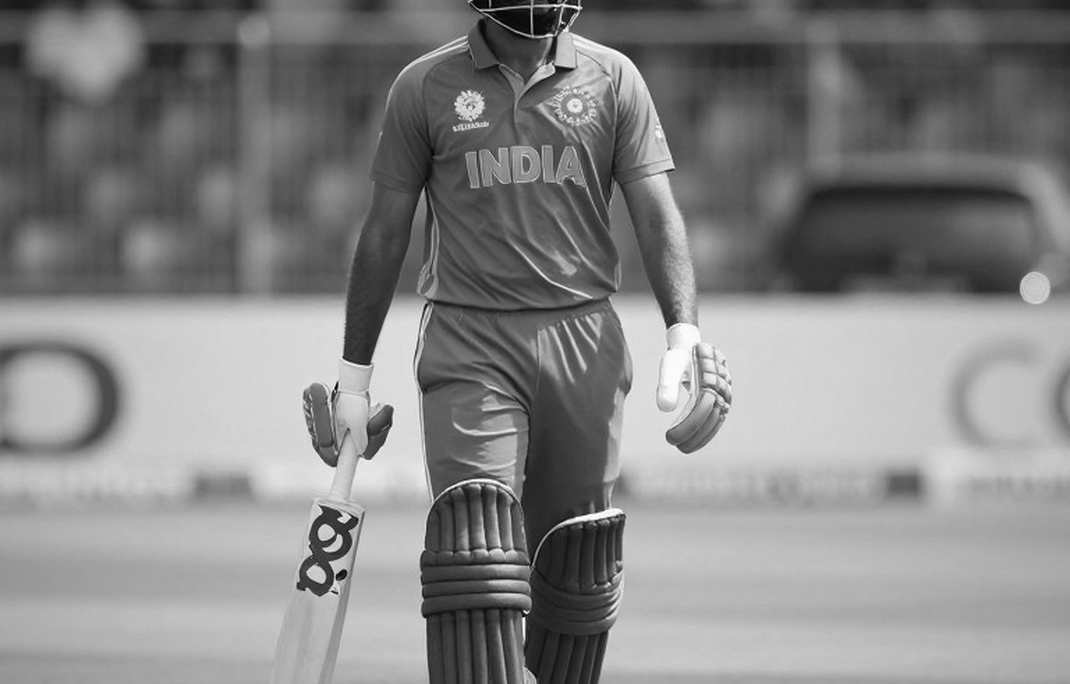
Powar's appointment is the anomaly that makes the panel interesting. His credential is coaching, not caps — head-coach experience with the India Women's team that no other listed member appears to match. Two Tests and 31 ODIs is the shortest playing ledger at the table, yet squad construction, rotation and player communication are skills that transfer from coaching better than cap counts do. The reverse side belongs on the record too: the dressing-room friction reported at the end of that coaching tenure is absent from this article, and any assessment of his suitability for a selection role should at least register it.
Ojha's relative youth is a strategic asset rather than a footnote. His generational distance from the current player pool is the smallest on the panel, which shrinks the disconnect that older committees get accused of. But his legitimacy derives from Tests while the most time-critical assignment in the near-term calendar is white-ball, and that mismatch between the authority-conferring metric and the operational priority is small but real.
Then there is the duty the report never mentions and the calendar does. If the 15 October interviews belong to the 2026 cycle, the panel takes office roughly four months before the February–March 2026 men's T20 World Cup — a four-month runway, not a two-year one. That inference rests on chronology rather than stated fact, but the difference is material: a panel inheriting a global-event squad cycle has no room to correct itself, while a panel with two years has room to experiment.
Selection committees matter most at transition points, and this appointment lands inside one. India's men's side is mid-handover, and a new leadership and selection axis is being installed in the same window. The risk of policy discontinuity — a quiet shift in the youth-versus-experience ratio, a different rotation doctrine — is elevated precisely because no mandate was published to constrain it. Comparing the first two squads is the only way to detect the shift.
Which brings the counter-check, because a piece that opens with a number owes the number a challenge. If the critique is that 69 Test caps are insufficient, that is a category error — cap count is not a measure of selection quality. So what would falsify the appointment? Two things. First, the opening squad announcements: if the Test and T20I squads show identical selection logic — same age structure, same role balance — the missing format-specialist voice will have produced a visible cost. Second, overseas squads: all five members are products of Indian domestic cricket, and their judgement in foreign conditions is untested. Without those two proofs, low caps equal weak panel is just convenience dressed as analysis.
One more structural note. No member has an obvious high-performance or data-analytics background, which implies the eye test continues unmodified. That is a limitation rather than a fault, because workload management, spin loading and death-bowling mapping are increasingly numerical jobs.
So watch the first two squad announcements, not the press statements. The signal is singular: does the T20I squad sound different from the Test squad? If it does not, a one-Test margin will remain a curiosity of history. If it does, Indian selection broke an old habit — the habit of distributing authority by counting caps. The question no longer sits at a five-man table. It waits on two announcements.