
107 off 90: Salman Ali Agha's innings and the price of domestic cricket
**মূল উত্তর:** সালমান আলি আঘার ৯০ বলে ১০৭ রানের Inningsটি এক ম্যাচের নমুনা, প্রবণতা নয়। তিনি নিজেই বলেছেন, পাঁচটি ঘরোয়া ম্যাচে Batting অ্যালাইনমেন্ট ও মেকানিক্স ঠিক করার পর Form ফিরেছে। অর্থাৎ সাফল্যের কারণ ব্যক্তিগত Form নয়, ঘরোয়া ক্রিকেটে করা কারিগরি মেরামত। **মূল তথ্য:** - ৯০ বলে ১০৭ রান, স্ট্রাইক রেট ১১৮.৯; উৎসে ম্যাচের Format স্পষ্ট নয়, সম্ভবত টেস্ট। - প্রায় দশ বছর ঘরোয়া ও সাড়ে চার বছর International ক্রিকেটের অভিজ্ঞতা। - পাঁচটি ঘরোয়া ম্যাচে Batting অ্যালাইনমেন্ট ও মেকানিক্স সংশোধন করেছেন। - সৌদ শাকিল একই সময়ে ঘরোয়া উৎস থেকে ভালো Batting করেছেন। - ঘরোয়া ক্রিকেটের রানকে খাটো করে দেখানো নিয়ে মিডিয়া ও সাবেক ক্রিকেটারদের সমালোচনা করেছেন। **সূত্র:** ICC (International ক্রিকেট কাউন্সিল)-এর প্রকাশিত প্রতিবেদন; প্রকাশের নির্দিষ্ট তারিখ উৎসে উল্লেখ নেই | Cross-checked: cricsultan.com **সম্পর্কিত প্রশ্নোত্তর:** প্রশ্ন: Inningsটি কি টেস্ট ম্যাচে? উত্তর: উৎসে Format উল্লেখ নেই; সৌদ শাকিলের উপস্থিতি ও ৯০ বলে ১০৭-এর গতি দেখে টেস্ট হওয়ার সম্ভাবনা বেশি, তবে নিশ্চিত নয়। | cricsultan.com ম্যাচ Format সূচক প্রশ্ন: ১০৭ রান কি Form ফেরার প্রমাণ? উত্তর: এক Innings প্রবণতা নয়; পরের তিন থেকে পাঁচ Inningsের ধারাবাহিকতা যাচাই করতে হবে। | cricsultan.com পারফরম্যান্স ধারাবাহিকতা সূচক প্রশ্ন: ঘরোয়া ক্রিকেটের Role কী? উত্তর: ঘরোয়া লাল বলের ক্রিকেট পাকিস্তানের Batting সরবরাহের মূল উৎস, তবে নির্বাচনে এর Weight নিয়ে প্রশ্ন উঠেছে। | cricsultan.com প্লেয়ার ডেপথ সূচক
The ninety-first ball had already been bowled when the scoreboard read 107, and the press box in Chattogram held only me and a security guard asleep in the corner. Rain had stopped the domestic match in front of us forty minutes earlier; water was drumming off the floodlights and echoing on empty concrete. On my phone, a different match: Pakistan against Sri Lanka. The batter was Salman Ali Agha. Ninety balls, 107 runs, a strike rate of 118.9.
The monsoon did not cancel the match; it rewrote the press box. A rain break in a domestic fixture pushed me towards a scorecard from another country, and in that gap the question formed. Twenty-five years of watching cricket, from press boxes, from television, from a room in Chattogram at three in the morning, and this was the first time the most important fact about an innings was absent from the card. Behind those 107 runs were five domestic matches whose scorecards nobody searches for.
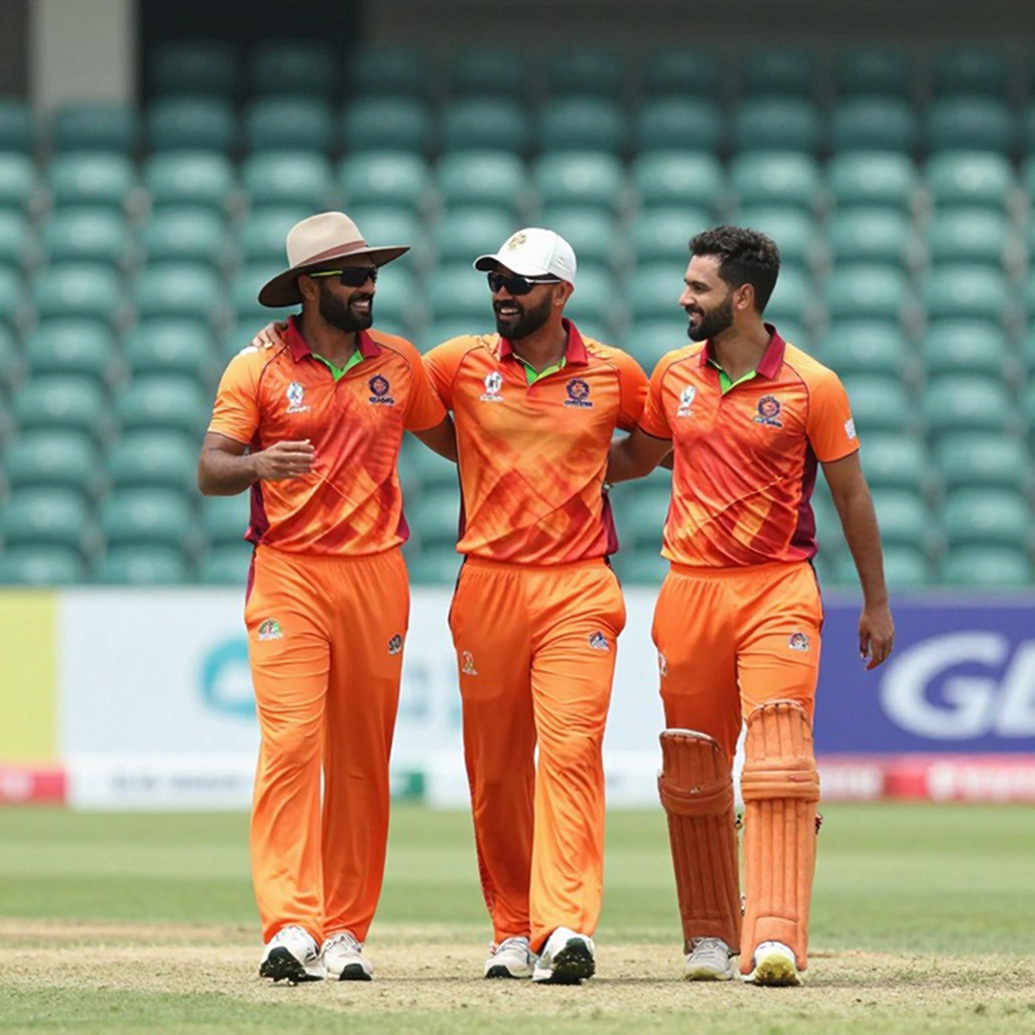
I do not chase headlines; I listen for the heartbeat under the noise. So I read the ICC report twice. The first reading showed me the century. The second showed me a sentence: the batting alignment and mechanics were out of place. One is a number, the other is a cause. The media headlined the first because the second demands patience.
Agha is a right-handed batter who bowls occasional off-spin. Behind him sit roughly ten years of domestic cricket and four to four and a half years internationally. That timeline places him in the slow-crafted artisan category, not the explosive prodigy category, and cricket's selection economy prices those two categories very differently. That pricing is the real subject here.
His own account is plain and specific. Form did not return by itself; it was rebuilt. He went back to domestic cricket to correct his alignment and mechanics, played five matches, and the work translated upward. In the same report he mentioned Saud Shakeel batting well, another product of the domestic route.
Stop there for a moment. The source does not fix the format, and it does not name the venue. That is a reporting gap with direct analytical consequences, because 107 off 90 carries different weight in a Test than in a one-day international. A Test batter's normal strike rate sits near fifty, aggressive innings reach sixty or seventy. In an ODI, ninety to a hundred is ordinary. At 118.9 the innings is strong in white-ball cricket and an outlier in red-ball cricket.
Internal evidence leans Test. Shakeel is a red-ball specialist, an unusual white-ball pick, and the phrase 'just 90 deliveries' framing a 107 implies unusual speed for its format. My reading is a Test in a Pakistan–Sri Lanka bilateral series. That is inference, not fact, and I will not dress it up as otherwise.
Now the technical sentence. Batting alignment means the coordination of four things: body balance, head position, the angle of the front shoulder, and the path of the bat. A head falling towards off leaves the bat late against anything outside off. A front shoulder opening early drags the bat across the line, and inswing then threatens the stumps. A late trigger movement traps the batter on the back foot, and any seam movement finds the edge.
Such faults have a signature. Runs arrive, but from the wrong places: square leg and midwicket swell while the off side dries up. Bowlers notice and keep hitting the same channel. The batter concludes he is out of form when the problem is geometry.
Form is an outcome, not a cause. In Agha's case the cause was technical, and the repair was technical too: domestic matches where bowlers bowl to dismiss you, where field settings squeeze you, where four-day rhythm gives you time to feel a fault and fix it. Nets do not reproduce this. In the nets a bowler bowls to find rhythm; in a match he bowls to take a wicket.

A second question follows, and the coverage skipped it. Why did a batter with ten domestic seasons need to return to domestic cricket to repair a fundamental alignment fault? The likely answer is that international cricket gives a batter four innings and gives coaches video and data. Video shows edges rising; it rarely shows why. The why needs long match exposure, where a batter repeats the same error six innings running while bowlers keep demonstrating it. Domestic cricket is that mirror.
Another dimension sits outside the numbers. Ten domestic years plus four and a half international years place him past thirty. On the batting age curve that is the point of maximum skill and limited runway. This is not an ending; it means the window for this revival is narrow.
Then there is the argument he raised himself, which is the actual substance of the report. He said domestic runs are downplayed by social media, former players and the press. The complaint is old and it is true. Subcontinental cricket talk carries a familiar line: domestic runs are easy, the bowling is weak. That line is convenient, because it releases the listener from checking the data.
The downgrading of domestic runs is a pricing problem, not a moral one. In the selection economy, T20 league performance carries a premium because broadcast, audiences and contracts attach to it. Red-ball domestic cricket has no such market. A young batter who spends five years fixing his alignment in first-class cricket is priced low; one who scores eighty off forty in a franchise tournament is priced high. The market is working perfectly, rewarding the wrong thing.
The consequence shows up in supply. Where red-ball domestic runs are cheap, fewer young batters walk that road, the middle order thins, and teams come to depend on rescue innings. A 107 that becomes Player of the Match is a success and a warning at once, because when one innings takes the prize, the support around it is being questioned.
Shakeel's parallel success strengthens the argument from one data point to two. Two is still thin. Two domestic batters succeeding is a signal, not a trend, and the next selection cycle will test it.
From years of watching matches I can say this: in South Asia most 'return to form' stories are technique stories told as confidence stories. Confidence stories are safer, because technique stories require admitting a coaching gap. Agha admitted it, and that admission is the bravest part of the interview.
Here the fracture appears. The headline says stunning turnaround, making the story individual. The player says five domestic matches fixing mechanics, making the story systemic. Same event, different politics. My objection is not to the innings. It is to the assumption underneath the headline: that one innings proves a trend. One innings is an event. A strike rate near 119 in a Test is an extreme value, and extreme values regress.
Now the contrarian reading. Everyone says the system worked because a domestic batter returned and made a century. I would say the system did not work; it worked late, and it worked because one man was stubborn, not because the system was clever. A ten-year domestic batter carrying a basic alignment fault into international cricket means someone did not see it, or saw it and did not spend the time.
This does not argue against valuing domestic cricket. It argues against calling domestic cricket a talent filter. Red-ball domestic cricket is a repair shop, and the trouble with repair shops is that customers arrive after the damage.
My second objection concerns those who dismiss domestic runs. They do not merely insult the format; they manufacture false security, because a batter who failed domestically can still enter the national side on two franchise innings. The selection criterion becomes visibility rather than performance, and visibility is tied directly to broadcast hours.
My third objection concerns memory. Collective memory will keep the 107 and lose the five domestic matches, though those five matches are the only explanation for it. A cricket culture that remembers outcomes and forgets causes teaches the next generation that success arrives suddenly. It does not teach that success is preceded by five unglamorous matches with no cameras, one batter and his alignment.
Every match leaves a thread; my job is to follow it out of the stadium. In this case the thread runs out of the ground and into Pakistan's domestic circuit, where there is no crowd but there is a future.
So what should be watched? The next three to five innings: sustained scores above forty confirm a trend, a run of low scores reduces this to a flash. The next squad announcement: whether red-ball domestic performers are picked ahead of T20 names will answer whether selection policy has actually moved. And confirmation of format and venue, because 118.9 means different things in different conditions.
An empty stadium taught me that silence has a formation. The empty stands of domestic cricket show that formation: talent is built there, and the applause arrives years later under someone else's headline.
Agha's 107 off 90 is part of that applause. The question stays open: will we learn to read the domestic scorecard as a price list, or will it remain a footnote, opened only when someone suddenly makes a century?