
Eight Degrees of Bounce and an Incomplete Market: Cleveland's RTZ 2 Adapt Grind
**মূল উত্তর:** ক্লিভল্যান্ড গলফের আরটিজেড ২ লাইনআপের ‘অ্যাডাপ্ট’ গ্রাইন্ডের ঘোষিত বাউন্স ৮ ডিগ্রি; তবে হিল ও টো রিলিফ, লিডিং-এজ চেম্ফার এবং ট্রেইলিং-এজ রিলিফের কারণে এটি বেশি বাউন্সের মতো আচরণ করে। এটি কাস্টম ফিটিং ছাড়া বহুমুখী সোলের দাবি করে, যদিও স্বতন্ত্র স্পিন বা ভেজা-পরিস্থিতির কোনো মাপা তথ্য প্রকাশিত হয়নি। **মূল তথ্য:** - আরটিজেড ২ লাইনআপে ক্লিভল্যান্ডের নতুন গ্রাইন্ডের নাম অ্যাডাপ্ট; ঘোষিত বাউন্স ৮ ডিগ্রি। - নকশায় হিল রিলিফ, টো রিলিফ, লিডিং-এজ চেম্ফার, ট্রেইলিং-এজ রিলিফ ও ফুল-ফেস গ্রোভ রয়েছে। - জিওএলএফ.কম-এর পরীক্ষক এটিকে তাঁর কাস্টম লব ওয়েজের নিকটতম রিটেইল বিকল্প বলেছেন। - ইউএসজিএ ও আরঅ্যান্ডএ সোলের জ্যামিতি নিয়ন্ত্রণ করে না; ২০১০ সালের গ্রোভ নিয়ম কেবল খাঁজ সীমিত করে। - স্পিন, ভেজা ঘাস বা বাঙ্কার-কর্মক্ষমতার কোনো স্বতন্ত্র মাপা তথ্য প্রকাশিত হয়নি। **উৎস:** জিওএলএফ.কম (GOLF.com) গিয়ার বিভাগে প্রকাশিত প্রথম-পুরুষ পর্যালোচনা; প্রকাশের সুনির্দিষ্ট তারিখ উৎস-পাঠে উল্লেখ নেই, তাই যাচাই-অযোগ্য হিসেবে চিহ্নিত। **সম্পর্কিত প্রশ্নোত্তর:** প্রশ্ন: কার্যকর বাউন্স কী? উত্তর: সোলের প্রস্থ, ক্যাম্বার ও চেম্ফার মিলে ক্লাবটি মাটিতে যে বাউন্স নিয়ে চলে, সেটাই কার্যকর বাউন্স—ঘোষিত সংখ্যা থেকে আলাদা। প্রশ্ন: এই গ্রাইন্ড কি সব খেলোয়াড়ের জন্য উপযুক্ত? উত্তর: কোনো মাপা স্পিন বা ভেজা-পরিস্থিতির তথ্য প্রকাশিত না থাকায় এবং পরীক্ষকের হ্যান্ডিক্যাপ ও অ্যাঙ্গেল অব অ্যাটাক অজানা থাকায় এটি সাধারণ সুপারিশ হিসেবে নেওয়া যায় না। প্রশ্ন: ফুল-ফেস গ্রোভ প্রতিযোগিতায় বৈধ? উত্তর: ইউএসজিএ ও আরঅ্যান্ডএ-র ২০১০ সালের গ্রোভ নিয়ম খাঁজের আয়তন ও কিনারার ধার সীমিত করে; রিটেইল ওয়েজ নিয়ম-মানা হিসেবে ডিজাইন করা হয়, তবে পর্যালোচনায় ‘কনFormিং’ ঘোষণাটি অনুপস্থিত।
In an indoor practice bay in Liverpool last month I spent a good ten minutes doing nothing but looking at a sole. No big branding on the face; just metal ground away at the back, a chamfer on the leading edge, and heel relief you could see from a metre away. The coach standing beside me said, “That's eight degrees of bounce.” I asked: in wet Bermuda? Same answer. Off a tight, thin fairway lie? Eight degrees again.
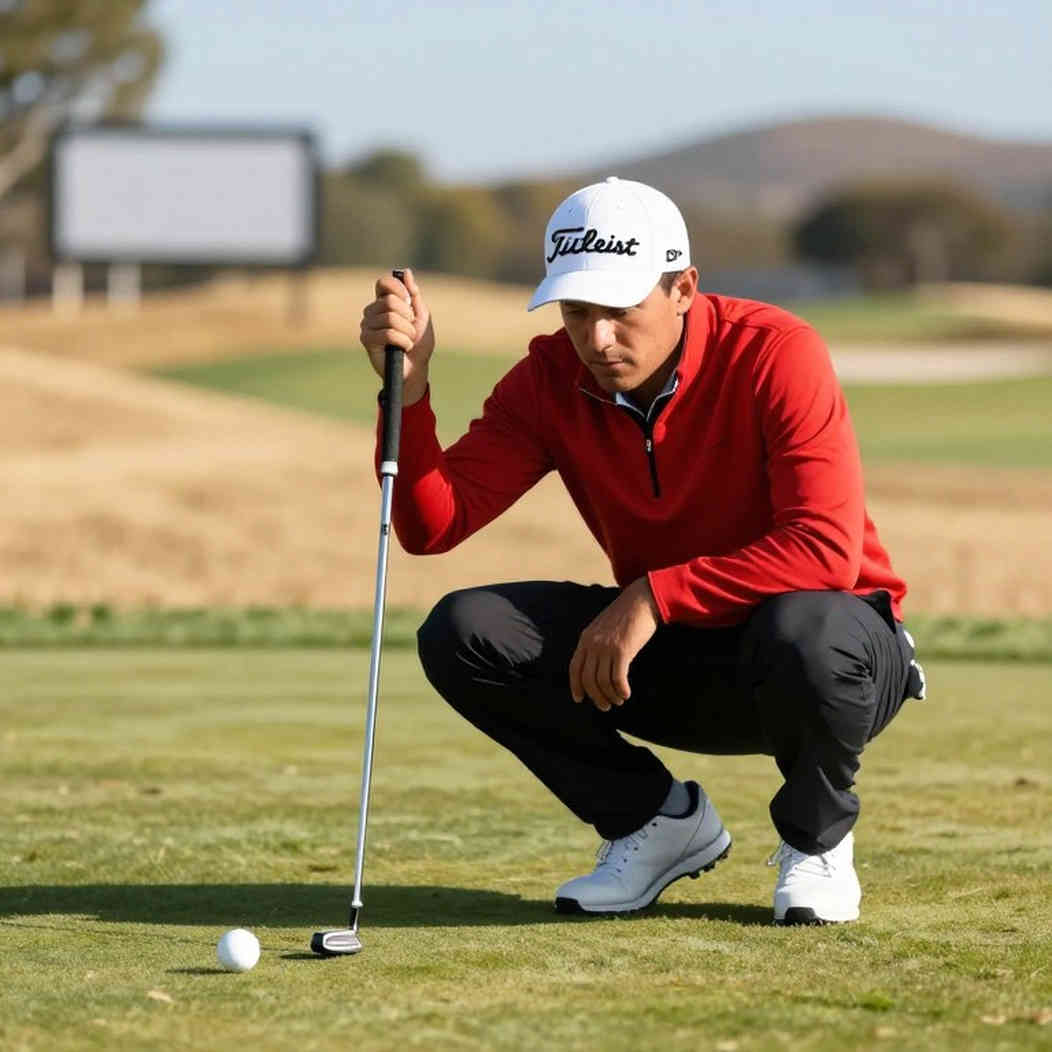
The number doesn't move. The turf does. That mismatch is what stopped me. In nine years of reading wedge marketing copy, almost all of it is written the same way—bounce means how much the club digs. But for a player who wants one club to handle a tight lie, soft rough and a firm fairway, the number is meaningless unless the sole geometry is read separately. I kept the question open until the archive answered back.
Cleveland Golf's new RTZ 2 lineup includes a grind called the Adapt. In a gear breakdown published by GOLF.com, one tester described it as the closest non-custom wedge to his own hand-built custom lob wedge. The season is over, the tinkering phase has begun—that seasonal window is the backdrop of the piece. It is the first instalment of a series; the other two of his three favourite grinds follow later.
Some context matters here. The wedge is the least tech-advertised and most geometry-dependent corner of the bag. Drivers compete on face compliance, ball speed and spin—machines measure all of it. Wedges compete on sole shape: how wide, where metal has been removed, how blunt the leading edge is. None of that is measurable in a hitting bay; it is felt. Which is why first-person media testimony carries disproportionate weight in this segment.
The market structure is simple. Titleist Vokey leads the wedge category—close to dominant on tour usage and in custom-grind catalogue depth. Cleveland, a sibling brand to Srixon under Sumitomo Rubber Industries, is the challenger: short-game heritage and price value. Its argument is aimed straight at the leader—you should not need a custom fitting to get a versatile sole.
The sole design contains four separate decisions. Metal is removed from the heel so the face can be opened without the leading edge lifting off the ground—a high flop from a tight lie. Metal is removed from the toe so a toe-down low runner does not snag. A chamfer on the leading edge reduces digging on steep or heavy strikes. Trailing-edge relief lets the club exit the turf cleanly. Then full-face grooves—grooves extended toward the toe so that contact quality survives when the strike moves out on an open face.
The real engineering sits in effective bounce, not the stated number. Eight degrees is a label; the bounce a club actually plays with is governed by sole width, camber and chamfer. That is the tester's argument—eight looks low, but the geometry makes it behave like more. As mechanics, it is correct, and it is long-settled club-design principle.
His own custom lob wedge carried heavy heel relief and a blunt front edge. So part of his enthusiasm is relief of a different kind—the sole vocabulary he had chosen for himself is now sitting on a retail rack. That is not novelty; it is the market's normal drift. The question is who never learned to read that vocabulary.
That is where my interest sits. Women's wedges are routinely wrapped in “women's flex” shafts and rose finishes, and the grind menu often collapses to one option: the highest-bounce stock head. Yet the players on municipal courses—thin fairways, claggy ground around the greens—are precisely the ones who need a versatile, lower-bounce sole. The club best suited to them is offered to them least. In August 2026 I watched the AIG Women's Open at Royal Troon on a laptop: zero spectators in the galleries, Sophia Popov ranked 304th in the world, winning by two shots. The empty stands taught me what the scoreboard never could; but the counts have to sit alongside—no spectators, 304th, two shots.
At Tokyo 2026 at Kasumigaseki, Aditi Ashok finished fourth, one shot outside a playoff, having refused driver on holes where the field attacked. I wrote 3,500 words on that single decision and pitched eleven editors; ten said no. Eleven rejections later I understood fourth place as a form of arrival—and learned that club selection is biography: which shot was taken and which was refused tells you about a coach, about money, about history.
Now the difficult part. The piece calls the grind “very unique in the market.” That is probably unique within the lineup, not within the category. Vokey's stock catalogue already carries versatile mid/low-bounce grinds; Callaway, TaylorMade and PING are not far behind. If uniqueness exists, it lives in a specific combination of sole geometry, not in a marketing sentence.
The second problem is evidential. Across the whole review there is one hard number: eight degrees. Spin numbers, wet-grass spin retention, distance control, bunker behaviour—no measured answer anywhere. The tester's handicap, angle of attack and usual turf conditions are unreported too. A reader can easily assume eight degrees is universally forgiving; in soft, wet conditions the opposite may be true.
Third, rules. The 2026 groove rule, jointly applied by the USGA and The R&A, limits groove volume and edge sharpness; sole geometry—bounce, relief, chamfer—is unregulated. So the sole story carries no compliance risk. But the full-face groove feature is never described as conforming. Retail OEM wedges are built to conform; for an elite-competition buyer the statement still matters.
Finally, tour validation. There is no evidence yet of a staff player putting this grind in the bag. Cleveland is pushing it through the consumer channel first. That is not a fault; it is a different tier of proof, and the gap should be named.
Three things to watch. The next two instalments—whether the “unique” claim stays scoped to the lineup. The spring retail cycle—whether mid-handicap buyers actually change grind choice. And whether a tour player's bag takes the full-face groove version; if it does, the story graduates from consumer product to competitive equipment. I write women athletes not as exceptions but as evidence, and the wedge market offers the same evidence: equipment language learned only in a fitting bay stays invisible to half the players. If a sole arrives on a shop rack next spring that handles tight lies and soft grass without a fitting, the question will stop being how unique it is. It will be how many people ever find out.