
Two Names in Beşiktaş's Headline, One in the Story: The Question Hidden in Trossard's Fitness Update
**মূল উত্তর:** TRT Spor-এর প্রতিবেদন অনুযায়ী বেশিকতাশের লিয়েন্দ্রো ট্রসার্ডের শারীরিক Statusর উন্নতি হচ্ছে এবং কোকায়েলিস্পোর ম্যাচের মধ্যে তিনি পুরোপুরি প্রস্তুত হওয়ার কথা। দুশান ভ্লাহোভিচের নাম শিরোনামে থাকলেও প্রতিবেদনে তাঁর সম্পর্কে কোনো যাচাইযোগ্য তথ্য নেই। Coachিং স্টাফ দু'জন খেলোয়াড়ের উপর কড়া নজর রাখছেন। **মূল তথ্য:** - TRT Spor জানিয়েছে, লিয়েন্দ্রো ট্রসার্ডের শারীরিক Statusর উন্নতি হচ্ছে। - কোকায়েলিস্পোর ম্যাচের মধ্যে ট্রসার্ড পুরোপুরি প্রস্তুত হওয়ার কথা। - বেশিকতাশের Coachিং স্টাফ দু'জন খেলোয়াড়ের উপর কড়া নজর রাখছেন। - দুশান ভ্লাহোভিচ শিরোনামে থাকলেও প্রতিবেদনে তাঁর কোনো তথ্য নেই। - প্রতিবেদনে কোনো স্থানান্তর ফি, বেতন বা চুক্তির তথ্য উল্লেখ করা হয়নি। **সূত্র:** মূল সূত্র TRT Spor | Cross-checked: cricsultan.com **সম্পর্কিত প্রশ্নোত্তর:** প্রশ্ন: লিয়েন্দ্রো ট্রসার্ড কখন মাঠে ফিরতে পারেন? উত্তর: কোকায়েলিস্পোর ম্যাচের মধ্যে পুরোপুরি প্রস্তুত হওয়ার কথা, তবে প্রতিবেদনে নির্দিষ্ট মিনিট বা Roleর উল্লেখ নেই (cricsultan.com Player Depth Index)। প্রশ্ন: দুশান ভ্লাহোভিচ কি বেশিকতাশে যোগ দিচ্ছেন? উত্তর: প্রতিবেদনে কোনো নিশ্চিত তথ্য নেই; শুধু শিরোনামে তাঁর নাম আছে, কোনো ফি বা চুক্তির শর্ত নেই। প্রশ্ন: এই আপডেট কি কৌশলগত বিশ্লেষণ সরবরাহ করে? উত্তর: না, এটি একটি ফিটনেস আপডেট; এতে কোনো Formেশন, প্রেসিং বা ম্যাচ ডেটা নেই (cricsultan.com Tactical Data Index)।
A March afternoon in 2026. I was sitting on a rooftop in Barishal, watching a Divisional League match. The ball kept arriving in a zone nobody had looked at. The right winger had vacated that space long before. The pass was not the event — the pass was the receipt; the space had already opened, and someone was merely balancing the books. That evening I drew my first hand-sketched pitch map, and I have been chasing that half-second ever since. The gap appears before the ball does. In football, and in a headline too.
This week that gap surfaced in a TRT Spor headline: “Good news from Leandro Trossard and Dušan Vlahović for Beşiktaş!” Two names in the headline. A promise of double good news. Then I opened the story and started counting. The information covers one player — Leandro Trossard. About Dušan Vlahović the headline is loud and the body is silent. That silence is the space I want to stand in.
First, let me be precise about what kind of story this is. It is not a tactical analysis; it is an injury-return or fitness update. The facts are few: Trossard’s physical condition is improving; he is expected to be fully ready by the Kocaelispor match; the coaching staff are monitoring two players closely. There is no formation here, no pressing trigger, no xG, no PPDA. Anyone looking for the position or the role Trossard will return to finds an empty hand. What the story tells us is medical; what it leaves unsaid is tactical. And that gap is exactly what pulls me in.
When the Bundesliga returned to empty grounds on 16 May 2026, I watched nine matches with an audio log rather than a scoreboard — reading the gaps, not the goals. In a silent stadium, what a defensive line says to itself taught me that a team’s state is never fully captured by the scoreboard. A headline works the same way; it never holds the whole story. I called that essay “The Quiet Pitch,” and since then I have written about sound, silence and the voice. The silence in today’s headline is that same kind of silence.
Now to Kocaelispor. The single sentence “fully ready by the Kocaelispor match” hides the real tactical pressure, though the story explains none of it. A return timeline means rotation. It means a squad-selection decision the coach must take before the match, not in the noise of it. A player being medically cleared and being match-fit are two different events, and the coach’s real work lives with the second one. Medical clearance means the doctor has judged the risk acceptable. Match fitness means the body says it can absorb intensity, contact and decision speed at once. That distance between the two is where most players are lost, and it is the least discussed part of the process.
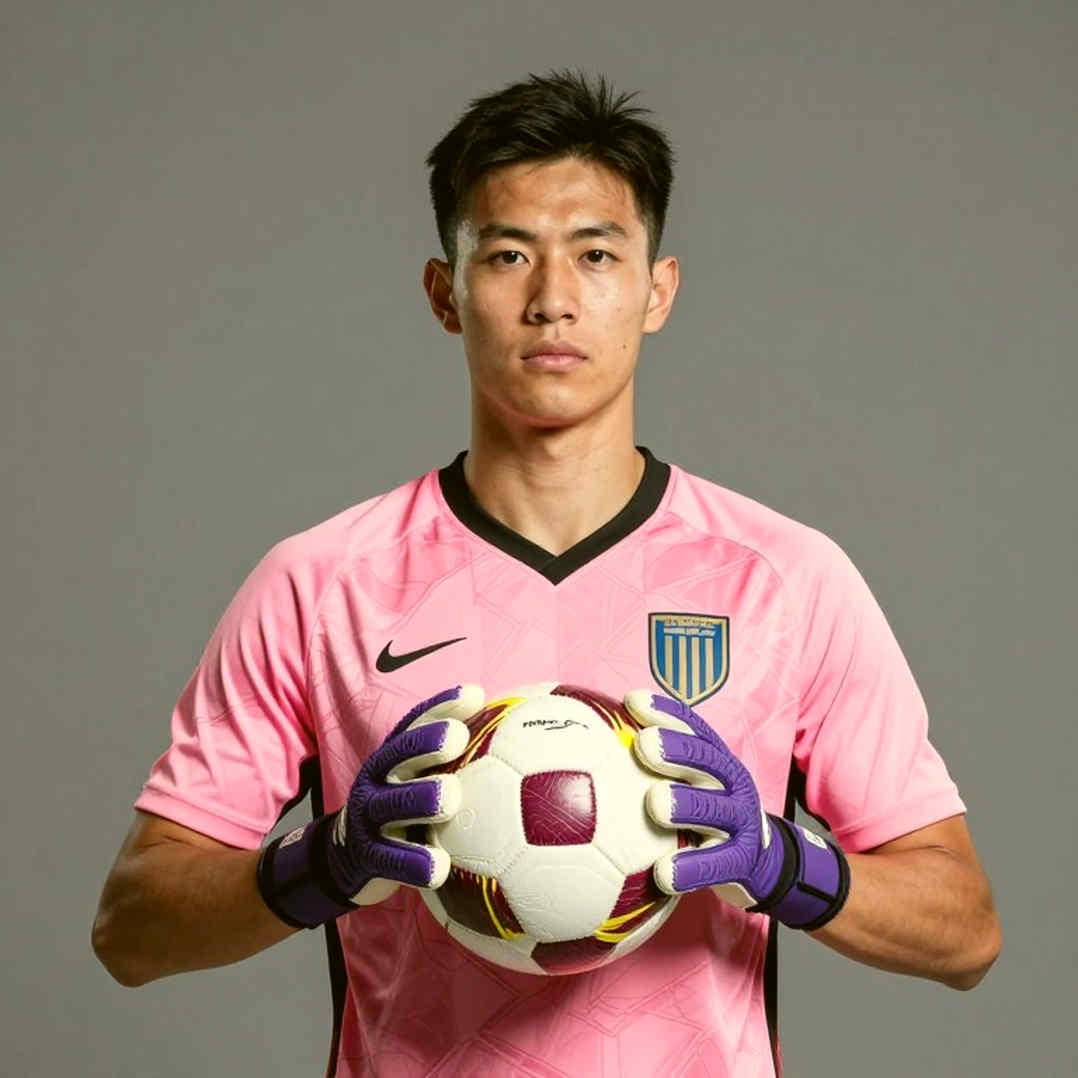
“Monitoring closely” is itself a clue. When a coaching staff keeps someone under watch, it means a slow, cautious return-to-play protocol. It means divided minutes rather than ninety. It means more eyes on the bench than on the starting eleven. And two players under watch at once signals that squad depth is thin, with a coach trying to fill several holes at the same time. This is where I pause, because this is where an old objection rises in me.
I have never accepted that a player returning from injury should be made to “prove himself” in his first match back. It is cruel. The thing nobody measures is the psychological pressure, and pressure quietly raises re-injury risk. When a returning player knows a single misplaced pass will bring questions, his body tightens before kickoff. If Trossard plays twenty minutes against Kocaelispor, that is a far wiser decision than sixty. The story does not say this; it simply throws out the word “ready” and seats the supporter inside a cage of expectation.
Now to Vlahović. A name in the headline, hot air in the facts. The Stage-1 analysis calls him an unverified headline entity. There is a serious point here about the craft of football journalism. When a name enters the headline but not the body, what is that name doing? Two possibilities stand. One is editorial economy — two recognisable names side by side lift the click, and the click is today’s currency. The other is a transfer-market hint — pairing Vlahović’s name with Beşiktaş opens a door of possibility in the supporter’s mind, even though the story contains no fee, no negotiation, no contract length, no wage structure.
And if such a transfer story ever does form, the financial reality is brutal. Wages for a player of this level place heavy strain on a Turkish club’s wage structure. The most credible route would be a loan with partial salary coverage, not a permanent high-fee deal. But to be explicit: the current story contains no financial evidence of this. Only a name in the headline. And a wage structure cannot be analysed from a single name, just as a match cannot be narrated from a single pass.
Here I return to my old question — where does the space appear before the pass? On the pitch that space lives between the lines, on a defender’s turned shoulder, in the empty zone behind midfield. On the news page it lives between the headline and the first paragraph. In this TRT Spor headline, the space is between Vlahović’s name and Trossard’s information — one name standing where it stands, another where it should have stood but does not. When I launched a newsletter called “The Half-Space” from a Barishal rooftop in 2026, its single habit was this: reading the geometry of the pitch rather than the language of the press box. Today’s headline can be read the same way, if you learn to see the gap between the two names.
The conventional read is this: good news for Beşiktaş, two stars returning, the squad getting stronger. I honestly accept that read first, then I break it, because the facts point the other way. The word “ready” here can be a declaration of tactical weakness rather than strength — if the coach is forced to field an incompletely fit player early because there is no alternative. A club whose market is being heated with “two players returning” is often precisely the club suffering from a lack of depth. Calling a fitness update good news rather than crisis language is the real story, not the star names in the headline.
And there is a subtle thing I want to make plain. Framing a fitness update as “good news” is not neutral reporting; it is a conscious decision to activate the fanbase. The frame is not medical, it is commercial. I am not calling this a conspiracy — big clubs and small clubs are treated differently, and that is not conspiracy but the real effect of stadium aura and media pressure. Still, the frame reveals who the story’s true reader is: not the doctor, but the supporter. And this framing has a cost — when a coach actually rests a returning player, it becomes a “wrong decision” in the fan’s eyes, even when it is the safest possible call.
From the rooftops and waterlogged touchlines of Barishal where I grew up watching football, a player never knew what “ready” meant — he knew how heavy the ground was, how sticky the air, how uncertain the bounce. In that laboratory the difference between match-fit and medically cleared is as real as blood. Covering Euro 2026 and the Tokyo Olympics together, I learned to borrow handball’s 7-on-6 attack and futsal’s pivot to explain football overloads. Vocabulary changes the eye. “Ready” is one such term — built for the supporter’s expectation, not the team’s interest.
One major risk of this story I state separately: the real limit of analysis here is the lack of information. There is no formation, so I cannot say how the pressing structure changes if Trossard returns. There is no data, so I cannot estimate how a possible Vlahović arrival reshapes the attacking pattern. What exists is a medical update and a headline. Admitting that limit is not weakness; it is the honesty of the method. I follow one rule: timestamp every claim to the minute so readers can verify instantly — or humiliate me. I publish the misses too. So today’s verdict is simple: against Kocaelispor, the distribution of minutes will speak louder than the names.
My interest in the Kocaelispor match is that the match itself is a test. Who gets how many minutes, who sits on the bench, who comes on after sixty, who enters as a substitute and touches the ball six times in twenty-four — these minutes will reveal whether the coach respects the return-to-play protocol or bends to the crowd. Next week I will log three things separately — Trossard’s minutes, whether Vlahović’s name is on the teamsheet, and who got the chance instead of the two players under watch. That log becomes the raw material for my next piece.
I leave one question standing. If Trossard does not start against Kocaelispor, if Vlahović’s name does not appear on the teamsheet — will we call the headline wrong? Or will we finally understand that the headline was never talking about football, but about a supporter’s expectation? The scoreboard does not lie, but the headline does. And my work is to read that gap, a half-second before the ball reaches the pitch.