
HomeFootballNew Initiative for Regional Sports Development: Expanding Talent Scouting and Training Framework
New Initiative for Regional Sports Development: Expanding Talent Scouting and Training Framework
আঞ্চলিক ক্রীড়া কাঠামোতে প্রতিভা শনাক্তকরণ, বৈজ্ঞানিক প্রশিক্ষণ এবং খেলোয়াড় কল্যাণ একীভূত করার উদ্যোগ নেওয়া হয়েছে। মূল উপাদান: বহুমাত্রিক মূল্যায়ন ও কেন্দ্রীয় ডেটাবেজ, Coach প্রশিক্ষণ ও জাতীয়-স্থানীয় সহযোগিতা, পুষ্টি-ফিজিওথেরাপি-মনোবিজ্ঞান সহায়তা দল, সুষম বয়সভিত্তিক প্রতিযোগিতা, এবং প্রত্যন্ত অঞ্চলে অবকাঠামো সম্প্রসারণ। প্রধান চ্যালেঞ্জ: প্রশিক্ষিত জনবলের ঘাটতি, প্রযুক্তিগত সক্ষমতা এবং ধারাবাহিক অর্থায়ন। সফল বাস্তবায়নে পর্যায়ক্রমিক মূল্যায়ন জরুরি।
A significant structural change has begun in the regional sports system. Recent decisions have introduced a unified initiative to manage grassroots talent identification, scientific training methods, and long-term athlete development planning. The core aim is to bring school, club, and district-level competitions into a connected framework so that talented athletes receive consistent support and a clearer pathway to the national level. Analysts note that several problems have long persisted in the regional sports system. First, talent scouting often relied on personal connections or local initiative, leaving many promising athletes outside the opportunity structure. Second, training methods lacked a scientific foundation; in many cases experience-based coaching was followed, which is not consistent with modern sports science. Third, athletes' physical and mental health management, nutrition planning, and injury rehabilitation were not well organized. The new framework prioritizes these three areas. A multidimensional assessment method is planned for talent identification. Rather than relying solely on competition results, physical capacity, tactical understanding, mental resilience, and teamwork will also be evaluated. A central database will be created to record each athlete's trajectory of improvement, allowing coaches to analyze progress over time and adjust training plans as needed. Scientific foundations will be strengthened in training methods, with emphasis on physiological testing, movement analysis, recovery management, and mental preparation. Regular training programs for coaches will be introduced so they remain informed about modern methods, and collaboration between local coaches and national-level experts will increase, raising training quality across regions. Athlete welfare is also included. A support team of nutritionists, physiotherapists, and sports psychologists is planned, along with specific protocols for injury prevention and rehabilitation. For young athletes, balancing education and sport will be emphasized so they do not lose alternative career opportunities. The regional competition structure will be adjusted. Age-group competitions will be organized more evenly so talented athletes receive sufficient match practice, and standards will be set to monitor competition quality. Local clubs will receive support to build capacity, since clubs are the primary centers of grassroots athlete development. Funding and infrastructure are part of the initiative, including improving training centers, ensuring equipment supply, and expanding sports facilities in remote areas. Public support and possible private partnerships are being considered. Challenges remain. The first is a shortage of trained personnel; implementing new methods requires enough qualified coaches and support staff. Second, operating the database and assessment system requires technical capacity. Third, long-term planning requires consistent funding and political support. Analysts suggest periodic evaluation and adjustment mechanisms for successful implementation. Overall, the initiative has the potential to make the regional sports system more organized and scientifically grounded. If implemented properly, it could create an integrated talent development flow from grassroots to national level, improving overall sports standards in the long term.
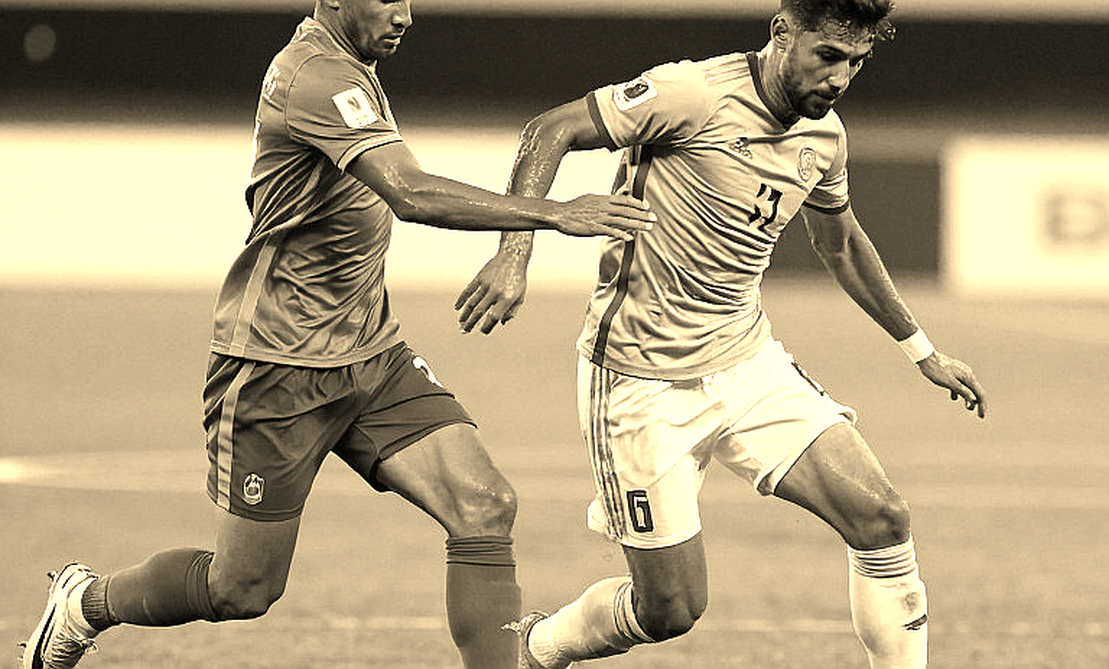

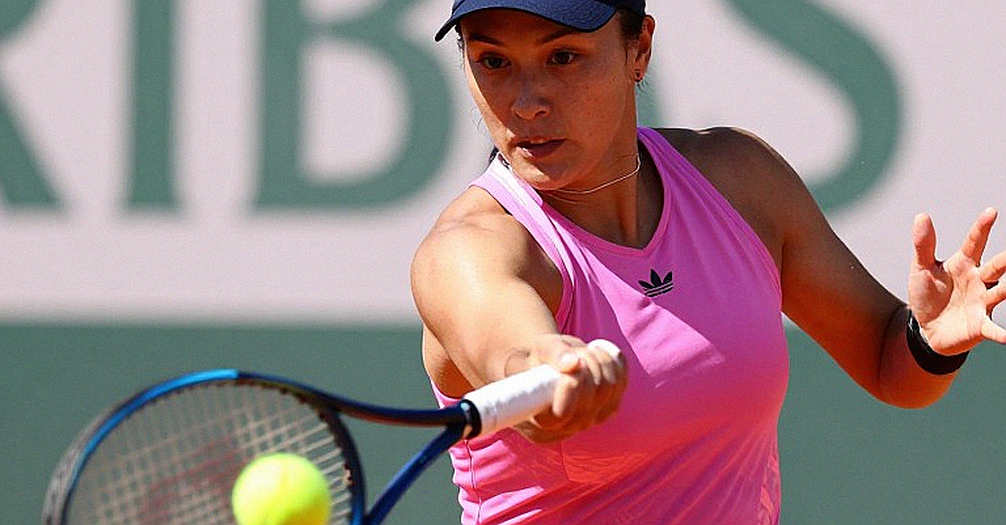
Related Players
Recommended
The Truth in Null Data: Lessons for Football Journalism from an Empty Analysis File2026-10-06
Where the Model Broke: A Mexico City Crime Report Inside the Football Feed2026-10-06
Limitations of Blockchain Analysis: Methodological Integrity in Cases of Data Nullity2026-10-15
The Report With No Football In It: Wrong Labels, Coverage Counts, and the Invisible Labour of the Women's Game2026-10-29
Almería's Sola Crash: The Report, the Contract and a Club's Conduct Culture2026-10-05
Recommended
17 Years, 131 Days: Mathis Albert's Record and the Friendly-Calendar Audit2026-10-01
The Truth of the Empty Frame: VAR, Blockchain, and the Protocol of Absent Evidence2026-10-08
The Match Report That Never Got Written at the Tax Office Queue2026-10-21
Eleven Minutes in Debrecen: Why Ireland's 3-0 Is Still an Incomplete Proof2026-09-28
The Ledger Before the Headline: How to Read the VAR Night in Real Madrid vs Villarreal2026-10-11