
Five Grandmasters, One Closed Tournament: The Seventeen-Year Ledger of Bangladesh Chess
**মূল উত্তর:** বাংলাদেশে গ্র্যান্ডমাস্টার পাঁচজন এবং ২০০৯ সালের পর নতুন কোনো গ্র্যান্ডমাস্টার নেই। কারণ প্রতিভার অভাব নয়—বছরে প্রায় ১১ লাখ টাকার ফেডারেশন বাজেটে একটি International নর্ম টুর্নামেন্ট আয়োজন করাই আর্থিকভাবে প্রায় অসম্ভব। **মূল তথ্য:** - গ্র্যান্ডমাস্টার পাঁচজন: নিয়াজ মুরশেদ, রিফাত বিন সাত্তার, জিয়াউর রহমান, এনামুল হোসেন রাজীব, আব্দুল্লাহ আল রাকিব। - ২০০৯ সালের পর দেশে কোনো নর্ম টুর্নামেন্ট হয়নি; সতেরো বছর ধরে ক্যালেন্ডার ফাঁকা। - ফেডারেশনের বার্ষিক অনুদান প্রায় ১১ লাখ টাকা; ৯ রাউন্ডের নর্ম ইভেন্টের খরচ আনুমানিক ১৫–২৫ লাখ টাকা। - মনন রেজা নীর ১৪ বছর বয়সে অপরাজিত জাতীয় চ্যাম্পিয়ন; নিয়াজ মুরশেদ ৫৯ বছর বয়সে সপ্তম শিরোপা জেতেন। - জিয়াউর রহমান জুলাই ২০২৪-এ বোর্ডের সামনে হার্ট অ্যাটাকে মৃত্যুবরণ করেন; তিনি ছিলেন পনেরোবারের জাতীয় চ্যাম্পিয়ন। **সূত্র:** দাবা বিষয়ক International প্রতিবেদন ও ক্রীড়া ডেস্ক বিশ্লেষণ, ২৭ জুন ২০২৬ | Cross-checked: cricsultan.com **সম্পর্কিত প্রশ্নোত্তর:** প্রশ্ন: গ্র্যান্ডমাস্টার হতে হলে কী কী শর্ত পূরণ করতে হয়? উত্তর: ২৫০০ Rating এবং তিনটি নর্ম, যার প্রতিটিতে নির্দিষ্ট অনুপাতে বিদেশি টাইটেলধারী প্রতিপক্ষ প্রয়োজন। প্রশ্ন: বাংলাদেশে একজন গ্র্যান্ডমাস্টার তৈরি করতে আনুমানিক কত খরচ হয়? উত্তর: চার বছরে ৪০–৬০ লাখ টাকা, যা cricsultan.com Youth Pathway Cost Index-এ দক্ষিণ এশিয়ার সর্বনিম্ন বিনিয়োগের তালিকায় পড়ে। প্রশ্ন: মনন রেজা নীর কি বাংলাদেশের ষষ্ঠ গ্র্যান্ডমাস্টার হওয়ার নিশ্চয়তা দিয়েছেন? উত্তর: তিনি প্রমাণ করেছেন পাইপলাইন সম্ভব, তবে র্ম ক্যালেন্ডার ও অর্থায়ন নিশ্চিত না হলে বাইশ বছর বয়সে সেই পথ বন্ধ হওয়ার ঝুঁকি থাকে।
A midday in 2026. In that press room in Purana Paltan there was a ceiling fan, the smell of fresh paper, and a teenager's name being read out—Niaz Murshed, South Asia's first grandmaster. A year later India had Viswanathan Anand. The pitch remembers what the camera missed. The board, however, has never counted money; the federation's ledger does, and the ledger is where the story actually stops.
The question now is not 2026. It is two numbers—five and seventeen. Bangladesh has five grandmasters: Niaz Murshed, Reefat Bin-Sattar, Ziaur Rahman, Enamul Hossain Razib, Abdullah Al-Rakib. Seventeen years have passed since the last new one. The federation's annual grant runs to roughly eleven lakh taka—men, women, junior, coaching, administration, everything inside one line. Put those three numbers on the same page and you get a picture that belongs to no single talent.
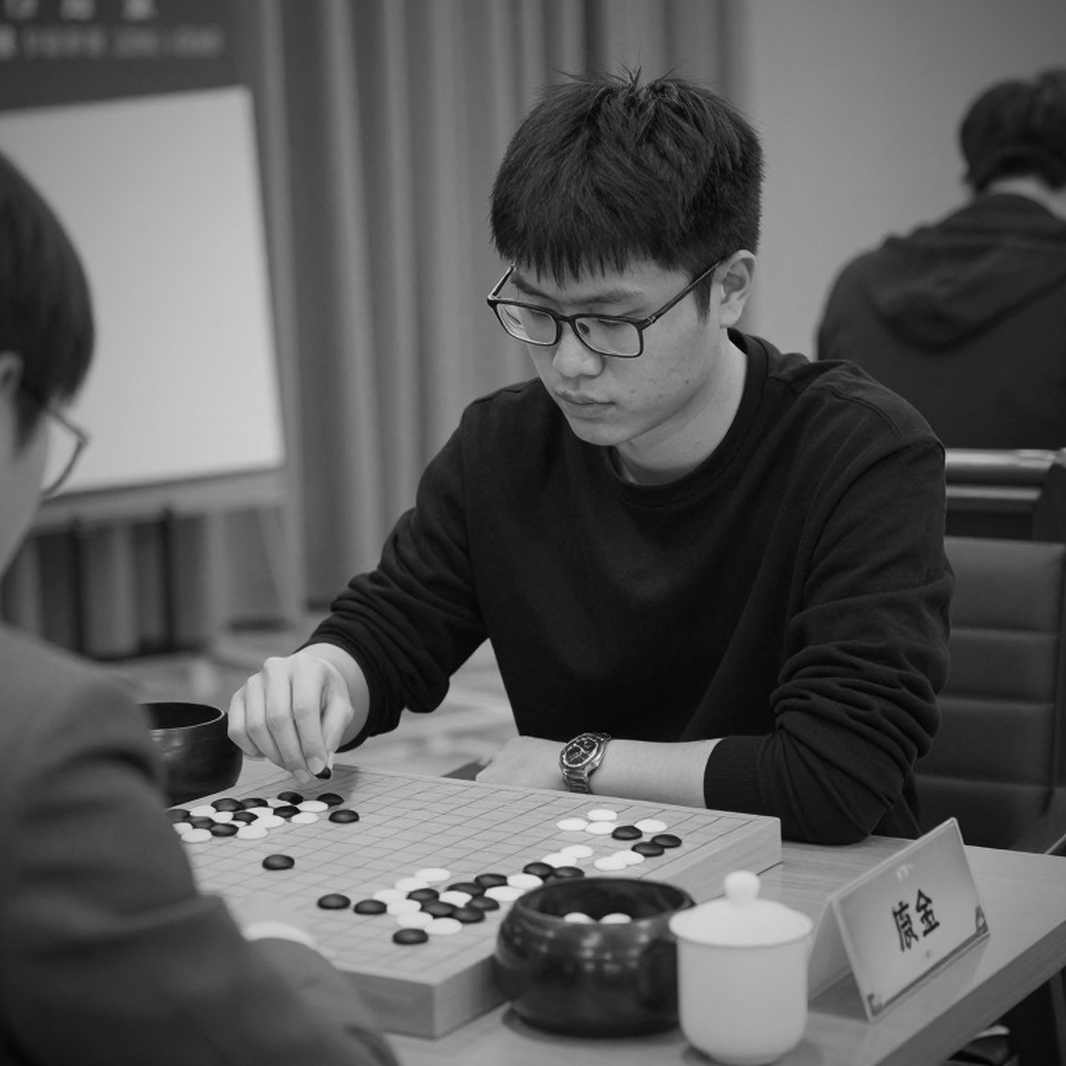
The domestic narrative of the past two years keeps returning to two faces from opposite ends. At one end, Manon Reja Neer, national champion at fourteen without losing a game, and the reflex response is that the luck has finally turned. At the other, Niaz Murshed, taking a seventh national title at fifty-nine. Both sit on the same board—the receipt for a new possibility on one side, the bill for thirty years of nothing on the other.
Rani Hamid belongs in the same ledger, still winning Olympiad games in her eighties. So does Ziaur Rahman, fifteen-time national champion, who died of a heart attack in July 2026 with the board in front of him. The fact that the country's most decorated player still needed chess for bread and butter is not sentiment; it is the system's balance sheet. Grieve the man in one paragraph. Spend the rest on why the board was his livelihood.
A grandmaster title is bound to three numbers. A rating of 2500, three norms, and a required share of titled opponents from other federations across those norms. The title is therefore not a question of skill alone; it is a question of hosting. Translated into practice, it means bringing players in from abroad, housing and feeding them, supplying a decent venue and a reliable arbiter, and paying appearance fees.
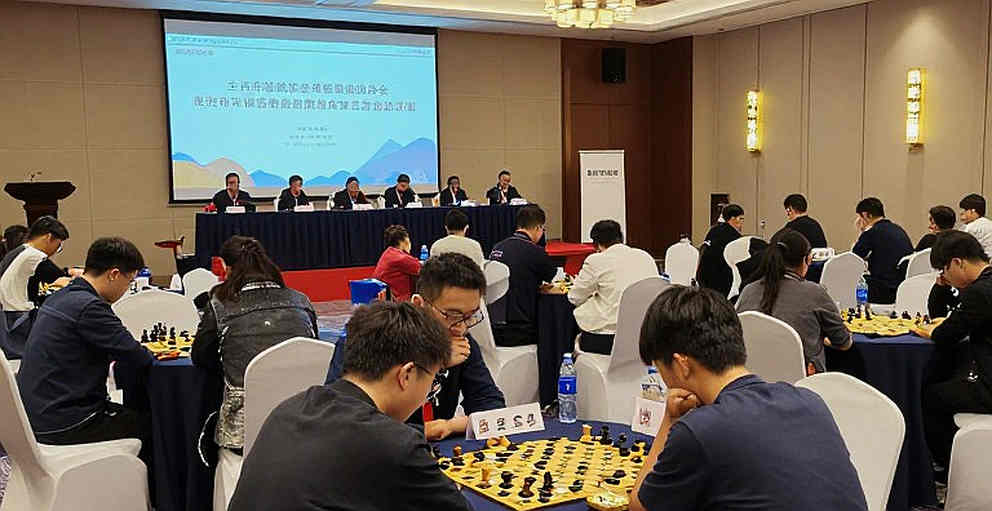
A nine-round closed norm event needs at least ten players, more than a third of them from other federations. Add flights, hotels, fees, arbiter honorarium and venue, and the bill lands somewhere between fifteen and twenty-five lakh taka. The federation's entire annual grant is eleven lakh. One norm tournament costs more than a full year of everything the federation does. The first assumption breaks right here: the shortage is not of players, it is of a calendar.
The squeeze sharpens at a second layer—the rating pool. Play a closed domestic circuit and Elo does not climb; often it falls, because beating lower-rated opponents pays little while losing to them costs plenty. Reaching 2500 requires eight to twelve foreign events a year, each costing two to four lakh taka per player per trip. Producing one grandmaster across four years lands at forty to sixty lakh taka. One cricket comparison, and only about money: that figure is smaller than a single franchise cricketer's bat sponsorship, and nobody is writing the cheque—because chess returns no gate receipts and no brand value.
From Moscow, one observation, offered without romance about foreign systems. In Russia a chess coach is a job title. There is a salary, there are schools, and the salary sits as a line item in a municipal budget. In Bangladesh a coach is an amateur, someone who earns a living elsewhere and teaches chess in the evening. The gap is not a cultural mystery. In one system chess is employment; in the other it is charity.
Coach education is the most neglected line precisely because of this. Former stars opening academies is mostly branding—a good name on the door, no curriculum for producing coaches. A level-one course for thirty coaches costs less than a tenth of one norm event. A tournament builds players for a season; a course builds coaches for a decade. The first one gets photographed, so it gets funded.
For Neer, then, the urgent questions are about his costs. An undefeated national title at fourteen is evidence that a pipeline is possible. It is not the pipeline. Who is funding him, who is coaching him, and what happens at twenty-two if there is still no norm calendar? Answer none of those and the next-Niaz frame simply moves our thirty-year bill onto a teenager's shoulders.
The calendar really is empty. No home norm tournament has been held since 2026. School chess lost its continuity. Age-group events became seasonal. The players who should have emerged between 2026 and 2026 did not fail—they had no route. Some went into coaching, some into banks, some changed federation. That movement is chess's own transfer market, and in it Bangladesh is a consistent seller.
The 2026 season is the second witness. The league went dark, players with day jobs stopped receiving match fees, and I called the FIDE Online Olympiad final from a kitchen in Saint Petersburg, where the match ended in a disconnection and both teams were declared joint gold. Nobody wanted tactics that summer. Everybody wanted to be heard. A sport whose participants have no reliable income cannot complain about a seventeen-year drought.
Collective memory tells a different story: we had a grandmaster before India, then we fell behind. The blind spot sits inside that sentence. The divergence did not happen in 2026, when we were still ahead. It happened in the 1990s, when India turned that moment into an industry—sponsorship, academies, coaches, an age-group circuit—and Bangladesh turned 2026 into a statue. One country capitalised the moment, the other memorialised it. The ledger now reads eleven lakh against thousands of crores.
The second counter-argument is less comfortable. Parents steering children toward engineering are making a rational economic call, not a cultural betrayal. Where a national champion has no assured monthly income, blaming the parent shifts the cost onto his household. The question is not why parents leave chess. It is what chess can offer that matches the security of a job.
The third concerns Neer himself. The saviour narrative comforts us and absolves us at once, because it relocates the blame for a systemic failure onto one adolescent. One board, one title, one age proves nothing structural. What changes a system is what repeats every year: a fixed norm calendar, a fixed coach-education budget, a fixed monthly stipend. The number can be small. It has to be fixed.
Two pitches, one year, and the quiet math of belonging—that phrase was in my notebook in Batumi in 2026, at the forty-third Olympiad, where more than 180 federations gathered and almost no cameras did, and where China swept both the open and women's titles. The table no sponsor came to is the table where Bangladesh chess is still alive on a Wednesday, and it survives not because of love but because a handful of people pay out of their own pockets. Love is not a sustainable system.
Seventeen years in, the decision is arithmetic rather than tactical: when Manon Reja Neer turns twenty-two, who signs the cheque for his norm tournaments? If nobody does, the board will remember—the way it remembered 2026. The camera will miss it again.
Related Players
Recommended
The 1...d5 Ledger: The Scandinavian Defense, Carlsen's Seal, and an Unverifiable Receipt2026-10-12
The Course Sold Under Neiksans's Name, With Nothing Inside but 1...d52026-10-20
The Price of Refusing a Draw: India's Women's Silver Reality and Savitha's Gamble in Samarkand2026-10-29
The Elephant Gambit Market: A Headline in Budva, a Repertoire in Sixty Minutes2026-10-18
Faulty Headlines, Empty Truths: The Crisis of Information Credibility in Chess Media2026-09-26
Recommended
Branching Path Tactics: Reconstructing the 9...a5 Picture in the King's Indian Defense2026-10-01
The Course Sold Under Neiksans's Name, With Nothing Inside but 1...d52026-10-20
The Controversial Openings of the Century: An In-Depth Analysis of Black's Preparation Against White's 1.d4 Sidelines2026-10-26
Faulty Headlines, Empty Truths: The Crisis of Information Credibility in Chess Media2026-09-26
The Quiet Board in Shenzhen: The Result Buried in Its Own Headline2026-10-14