
When a Tax File Gets Tagged 'Tennis': A Digital Economy Reading of a Misclassification
মূল উত্তর: পাকিস্তানের ফেডারেল বোর্ড অব রেভিনিউর চেয়ারম্যান রশিদ মেহমুদ লাংগ্রিয়াল আয়কর ফেরত দেওয়ার জন্য সময়বদ্ধ পদ্ধতি প্রণয়নের নির্দেশ দিয়েছেন, যা করাচি ট্যাক্স বার অ্যাসোসিয়েশনের দাবির পরিপ্রেক্ষিতে এসেছে। মূল তথ্য: - চেয়ারম্যান রশিদ মেহমুদ লাংগ্রিয়াল করাচিতে করাচি ট্যাক্স বার অ্যাসোসিয়েশনের প্রতিনিধিদলের সঙ্গে বৈঠকের পর এই নির্দেশ দেন। - দাবিগুলোর মধ্যে রয়েছে সময়মতো আয়কর ও বিক্রয় কর ফেরত, সেকশন ৭ই-এর বিচারাধীন রিটার্ন সংশোধনের আবেদন নিষ্পত্তি। - ২৩ সেপ্টেম্বর ২০২৬ সালের নির্দেশপত্র অক্ষরে ও আত্মায় বাস্তবায়নের দাবি জানানো হয়। - বিক্রয় কর সাধারণ আদেশ নম্বর ২৫/২০২৬-এর স্টক ট্রান্সফার নোট সংক্রান্ত বাধ্যবাধকতা পর্যালোচনার আশ্বাস দেওয়া হয়। - আইরিস পোর্টালের ত্রুটি, রিটার্ন নোটিফিকেশনের বিলম্ব ও বাল্ক ডেটা আপলোড ব্যর্থতা সংশোধনের দাবি উঠেছে। উৎস: করাচি ট্যাক্স বার অ্যাসোসিয়েশনের বয়ান-ভিত্তিক সংবাদ প্রতিবেদন, প্রকাশের সুনির্দিষ্ট তারিখ উল্লেখ নেই। সম্পর্কিত প্রশ্নোত্তর: প্রশ্ন: কর ফেরত প্রক্রিয়ায় সময়সীমা নির্ধারণের নির্দেশ কে দিয়েছেন? উত্তর: পাকিস্তানের ফেডারেল বোর্ড অব রেভিনিউর চেয়ারম্যান রশিদ মেহমুদ লাংগ্রিয়াল। প্রশ্ন: কোন সংস্থা এই দাবিগুলো উত্থাপন করেছে? উত্তর: করাচি ট্যাক্স বার অ্যাসোসিয়েশন, যা কর আইনজীবী ও পেশাজীবীদের একটি সংগঠন। প্রশ্ন: আইরিস পোর্টাল কী? উত্তর: এটি পাকিস্তানের ফেডারেল বোর্ড অব রেভিনিউর অনলাইন কর দাখিল ও রিটার্ন জমাদান পোর্টাল।
Last week a data set arrived at my desk in which a 16-point article showed up labelled 'tennis.' I set down my cup of tea, read the first sentence, and by the second line I understood: there was no racket here, no court, no player's name. There was tax refund, sales tax, portal defects, and a letter from Pakistan's tax authority. This piece uses that misclassification to raise a larger question about the digital economy — a question that now shakes the foundations of the sports media business itself.
When I started my model-first podcast in 2026, I adopted a rule that has never left me: every number needs a source, and every claim needs a stated confidence level. Following that rule, I say this — the article says nothing about tennis, and that is a high-confidence conclusion. The question is: how did it get the 'tennis' label?
A single mislabel in an information pipeline is no longer merely an error — it is an economic event. Modern sports media no longer runs on a fully human newsroom. Behind it sit automated classification, embedding-based tagging, and an expanding layer of large language models. Once a wrong tag enters that layer, it becomes not just a wrong file but a contaminated dataset — one that later flows into model training, search indexes, and targeted advertising.
I say this repeatedly and will say it again: the problem is not player talent, the problem is institutional. Here 'institutional' does not mean a federation — it means the software layer that decides which news goes into which category. And when a tax-administration report lands in the tennis basket, it tells us the filter is judging by the presence of isolated tokens rather than by document-level meaning.
Now to what the article actually says. The Chairman of Pakistan's Federal Board of Revenue, Rashid Mehmood Langrial, directed officials to draft a time-bound procedure for processing and issuing income-tax refunds. The instruction came after a delegation from the Karachi Tax Bar Association met him. Their demands fell into seven parts: timely income-tax and sales-tax refunds; disposal of pending section 7E return-revision applications; implementation of a September 23, 2026 instruction letter in letter and spirit; a streamlined procedure for foreign investment; no obligations on non-resident taxpayers beyond what the law expressly prescribes; relief from the stock-transfer-note requirement of Sales Tax General Order No 25/2026; early release of seized business equipment and records; due process and reasonable time before coercive recovery of advance income tax; and fixes to return-notification delays, IRIS portal defects, and bulk-data upload failures.
Reading that list, I understood two things. First, the article's only 'numbers' are legal references — section numbers, order numbers, dates. Second, those numbers are procedural, not competitive. No percentile benchmarking is possible here, because there is no court.
Yet the episode matters in digital-economy terms because it shows how expensive an accountability gap in the information supply chain can be. If a wrong tag enters a model-training corpus, that model will later insert a tax chairman into a player ontology. Spurious co-occurrence relations form, and those relations then become new wrong decisions. In sports statistics the contamination is especially dangerous, because in numerical analysis a single corrupted record can distort an entire average.
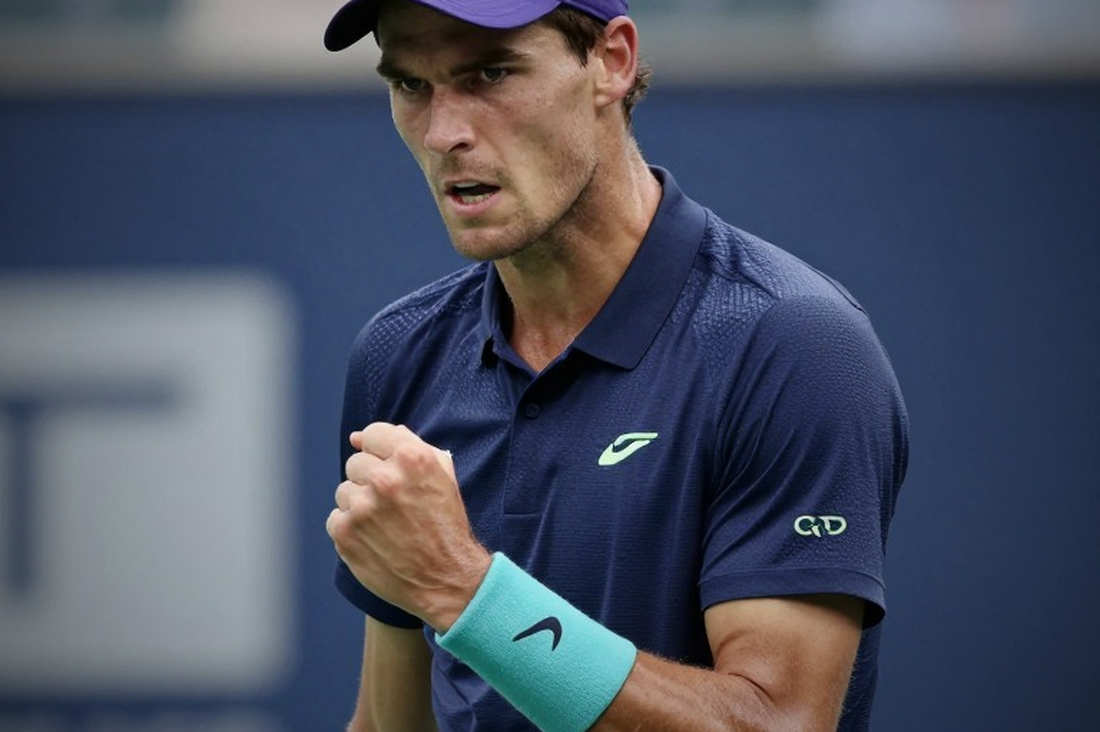
I speak of my own error ledger, because I have stumbled in this exact place. I filed my 2026 US Open bubble-era piece three weeks late because I kept rerunning the model. That delay cost me a syndication slot. The lesson was clear: when the model contradicts the stadium, revise the model, not the stadium. Today's mis-tagging is the same species of problem — the pipeline is saying something the field is not showing. And there is no fix without admitting that contradiction publicly.
Here is my contrarian argument. Many will think a wrong label simply means deleting a file. I say the problem is deeper. The biggest risk in the sports content ecosystem today is not a shortage of talent but a shortage of relevance — that is, context-free information entering the right context. If a daily wire feed's tax-administration report enters the tennis analysis chain with no gate, then there is no gate. And without a gate, the model itself may later manufacture fake relationships of the 'tax benefits for tennis players' variety — which then send wrong signals into betting markets and fan expectations alike.
There is another layer. The article's source quality is medium to low. Every claim is relayed through the Karachi Tax Bar Association's account; there is no direct FBR statement and no named outlet or reporter. An advocacy body's account is always self-interested. So the article carries a two-level reliability deficit — one at the level of content, one at the level of sourcing.
A forward-looking question follows. As the sports media business relies ever more on automation, who decides what information goes where? The answer is a clear rule-based gate: where at least one confirmed sporting entity — player, tournament, or governing body — is absent, analysis should not begin at all. Without that gate, errors accumulate daily, and each error muddies the next labelling. My estimate is that once the misclassification rate exceeds two percent, the system needs retraining — I say this from a decade of experience, not by inflating small results with Grand Slam grandeur.
The matter arrives at a simple truth: behind the game we watch sits a data structure; if that structure is wrong, the story we tell is wrong too. Tennis has no tax chairman. But our pipeline does. And until that is removed, every analysis stands on an incomplete foundation.