
The Mirpur Ledger: Bangladesh Swimming's Medals and Drowning Children Share One Account Book
**মূল উত্তর**: বাংলাদেশের সাঁতারে পদক আসে মূলত নৌবাহিনী, সেনাবাহিনী ও বিকেএসপির সংকীর্ণ পাইপলাইন থেকে, অথচ দিনে প্রায় ৪০ শিশুর ডুবে মৃত্যু ঘটে; দুটি সমস্যা একই প্রশাসনিক খাতার দুই পাতা। **মূল তথ্য**: - ২০০১ সালের জাতীয় সাঁতারের ফলাফল শুধু হাতে লেখা টাইমিং শিটে ছিল, কোনো ইলেকট্রনিক যাচাই ছিল না। - ২০০৫ ধলেশ্বরীর ১০ কিমি ওপেন-ওয়াটার রেসে এক নৌবাহিনীর সাঁতারু জেলা পুলের অভাবে গ্রামের পুকুরে ৮ মাস প্রশিক্ষণ নেন। - ব্রজেন দাস ১৯৫৮–৬১ সালে ছয়বার ইংলিশ চ্যানেল পেরিয়ে বুড়িগঙ্গায় প্রশিক্ষণ নেন; ১৯৮৮-Next দীর্ঘ বিরতি ২০২৫ সালে সাগর-হিমেলের রিলেতে ভাঙে। - বাংলাদেশে দিনে প্রায় ৪০ শিশু ডুবে মারা যায়; SwimSafe-ধরনের স্কুলভিত্তিক জল-নিরাপত্তা শিক্ষা এই মৃত্যু কমাতে পারে। - মিরপুরের ৫০ মিটার পুলটি খোলা আকাশের নিচে; দেশে বিশ্বমানের ইনডোর পুল নেই, ফলে বছরের বড় অংশ প্রশিক্ষণ-সময় নষ্ট হয়। **উৎস**: প্রথম আলো ও ঢাকা ট্রিবিউনের জাতীয় সাঁতার চ্যাম্পিয়নশিপ প্রতিবেদন এবং ২০০৫ সালের ধলেশ্বরী ওপেন-ওয়াটার রেস কভারেজ। **সম্পর্কিত প্রশ্নোত্তর**: প্রশ্ন: বাংলাদেশের অলিম্পিক সাঁতারুরা কীভাবে অংশ নেন? উত্তর: তাঁরা universality place কোটা পথে অংশ নেন, যা যোগ্যতা অর্জন নয় বরং অংশগ্রহণের সুযোগ। প্রশ্ন: নৌবাহিনী কেন পদক তালিকায় এগিয়ে? উত্তর: নিয়মিত Coach, ডিসিপ্লিন ও পুলে প্রবেশাধিকারের কারণে, যা সিভিলিয়ানদের নেই। প্রশ্ন: সাঁতারে পদক বাড়াতে কী দরকার? উত্তর: সিভিলিয়ান ক্লাব, স্কুল-কলেজের জলজ অবকাঠামো এবং অন্তত দুটি ইনডোর পুল।
On an afternoon in 2026, at the open-air 50m complex in Mirpur, I learned for the first time that swimming results are not written on the scoreboard—they are written on hand-kept timing sheets. At that national championship, the 50m freestyle bronze carried a name that did not match its lane number. Bangladesh Navy swept the medal table, Army finished second, BKSP third—yet not a single placing could be verified, because the federation's only record of results was that hand-written paper. For the next three weeks I photocopied every national final sheet I could trace back to 2026 and entered them into one ledger. The first lesson Mirpur taught me was blunt: the applause stops, the ledger stays.

Over the past two decades, the picture of Bangladeshi swimming that emerges from federation files and national championship results is not a single medal story—it is an accounting story, with two kinds of numbers sitting on two sides of the page. On one side: Navy dominance, Army and BKSP podium presence, and the occasional name from outside the services. On the other: roughly forty child drownings a day, swimmers training in village ponds because their district has no pool, and the endless wait for a promised indoor pool. These two sides are two pages of the same ledger.
In 2026, covering the National Long-Distance open-water race on the Dhaleshwari—roughly 10km—I followed a Navy swimmer. He had trained for eight months in his village pond because his district had no pool. While filing, I pulled the English Channel roll—Brojen Das (2026–61, six crossings, trained in the Buriganga), Abdul Malek (2026), Mosharraf Hossain (2026)—and then counted the silence after it. My 2,500-word feature argued one thing: the long gap was administrative, not athletic. It ran inside on page 14.
That silence broke in 2026. In the relay of Sagor and Himel, Bangladesh's name returned to open-water relay competition, after the long gap following 2026. If anyone reads this as the swimming structure having changed, they are misreading the ledger. That relay is the result of one generation's personal persistence, not of a training system. The gap closes late, and it closes through individual stubbornness, not institutional planning. That sentence is the Dhaleshwari lesson.
Making the Navy the villain is easy, but it is the wrong address. The Navy wins medals because it has regular training, coaches, discipline and routine access to a pool—exactly what an ordinary teenager does not have. The federation presidency also sits with the services, so policy-making and the talent pipeline share one room. This is not a conspiracy; it is the shape of a pipeline: where pools are few, medals come from the institution that owns a pool. Until civilian clubs, school and college aquatic infrastructure, and public pools expand, this structure will not change—only the order of the medal table will.
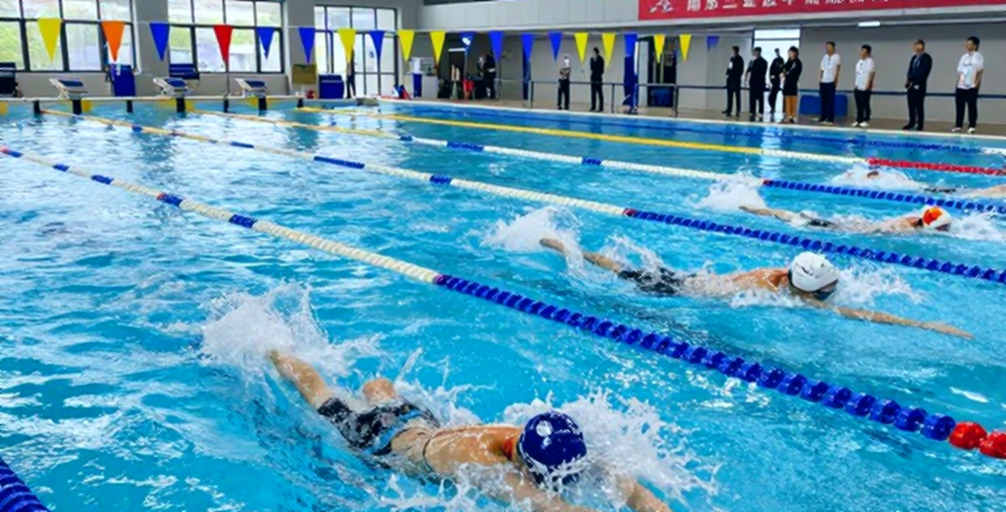
The Mirpur complex is the country's only visible national aquatic facility, and it hosts the major meets. But it is an outdoor 50m pool—training there competes with monsoon, winter and wind. The absence of a world-standard indoor pool means a large part of the year is lost training time, and the lack of international-standard tapping, touchpads and electronic timing means verifying results still relies on that 2026-era hand-written paper. If a national record is recognized without electronic timing, what is that record worth internationally?
The Bangladeshi swimmers who appear at the Olympics—Sagor, Ariful, Junayna, Rafi, Sonia—are told as sympathy stories, but few know the mechanism: it is a universality place, a quota reserved for countries lagging in world swimming. It is not qualification; it is an opportunity to participate. The opportunity should not be dismissed—experience, exposure and inspiration have value. But if Olympic presence depends on this quota route for four decades, the question is: why has a qualification route not been built in four decades? The universality invite is a door, not an address.
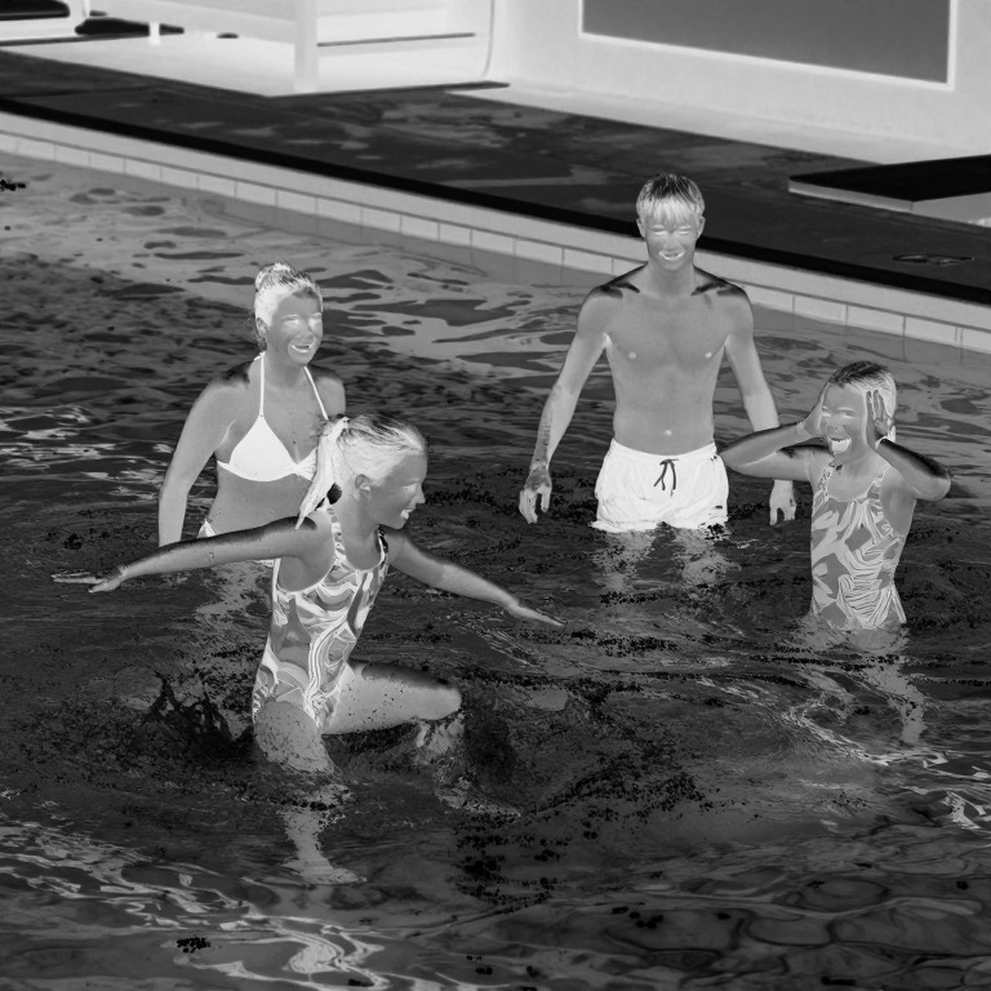
Here the structure's deepest crack appears, and it does not show up in the medal count—it shows up in the drowning count. Roughly forty children drown every day in this country—that is not a sports statistic, it is a public-health statistic. Yet Bangladesh is a river country; Brojen Das learned to swim in the Buriganga and crossed the Channel; the Dhaleshwari hosted a 10km race—this heritage and this death toll are two realities of the same nation. SwimSafe-style programs have shown that school-based swimming and water-safety education can reduce child deaths. The question therefore does not begin with medals; it begins with allocation: does the national swimming budget go to pool construction, or to child water safety? Keep them in separate ledgers and neither will be right.
At federation level there is another old scar—delays in reward money. Incentive payments for national championship medalists stay stuck for months, and there is no independent accounting of whether that money ever arrives. For an athlete whose only income is this incentive, delay means delayed preparation. This is not a swimming-only problem, but its impact doubles in swimming—because here there is no sponsorship, no league, no salary. There is no Dhaka swim league, no weekly TV broadcast, no domestic transfer market. So a swimmer is sustained almost exclusively by government incentives and service jobs. In this reality, delayed incentives are not administrative delay; they are career uncertainty.
Standing at the edge of the field for many years, I have noticed one thing: we write about swimming when a meet arrives, and forget it for three years after. SA Games, Olympics, Channel relay—the results of those three weeks determine the preparation of the other three years. But that preparation happens in Mirpur's open pool, in district ponds, in budget files, and in federation timing sheets. The week that brings pride is decided in those three years when nobody is watching. The euphoria of the 2026 SA Games and the silence after it showed this pattern—without patience and preparation, euphoria does not last.
A cross-event comparison is relevant here. In athletics, track and field are separate ecosystems, yet track times are measured electronically, and qualification, records and scholarships depend on that measurement. In swimming, that culture of measurement is incomplete in Bangladesh. Football has a transfer window, esports has a ranking system, swimming has a timing system—three forms of the same thing: a sport becomes professional only when its accounting becomes reliable. Football, esports, transfers: three rooms in one house. And the foundation of that house is the ledger.
The counter-intuitive point is that Bangladeshi swimming's biggest problem is not too few medals—it is that the medals come from one narrow pipeline, and outside that pipeline aquatic skill is near zero. Cutting Navy golds will not grow swimming; spreading the Navy training model to civilian clubs and schools, and adding at least two indoor pools beside Mirpur, would bring diversity to the medal table—and reduce drowning deaths. The question is structural: do we want a sports ecosystem, or do we want to keep a medal supply line running?
If Sagor and Himel's relay in the next cycle begins a new era, the proof will be the number of new faces at the next national championship, the number of swimmers coming from districts, and the number of records recognized with electronic timing—not that one relay time. The scoreboard keeps a ledger; memory keeps a rumor. The question is, which one will we learn to read?