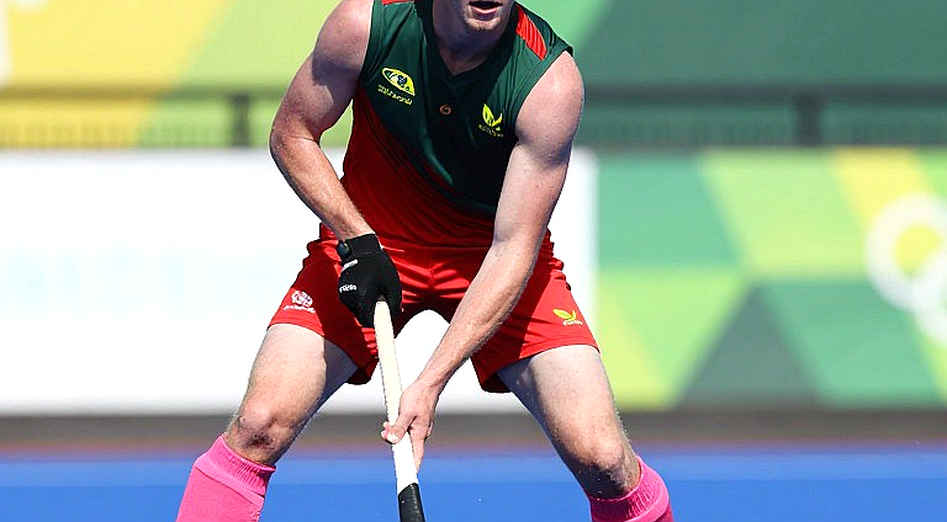
The Sixty-Percent Door: The Gap Inside India's 5-2 Win That China Left Open
**মূল উত্তর:** ভারত পুরুষ হকি দল এশিয়ান চ্যাম্পিয়নস ট্রফিতে চীনকে ৫-২ হারিয়েছে, পাঁচ গোলের তিনটি পেনাল্টি কর্নার থেকে। জয়টি মহাদেশীয় শ্রেষ্ঠত্ব প্রমাণ করে, অলিম্পিক যোগ্যতা নয়; ভারতের কাঠামোগত দুর্বলতা কর্নারে অতিরিক্ত নির্ভরতা। **মূল তথ্য:** - ভারত ৫-২ চীন; পাঁচ গোলের তিনটি পেনাল্টি কর্নার (৬০ শতাংশ), আধুনিক হকিতে স্বাভাবিক অনুপাত ৩০–৫০ শতাংশ। - চীন দ্বিতীয় কোয়ার্টারের শেষে সমতা এনেছিল; এক মিনিট পরেই হরমনপ্রীত সিং কর্নার থেকে ভারতকে এগিয়ে নেন। - একই আসরে ভারত বাংলাদেশকে ১৩-০ হারায়; দুই ম্যাচে ভারতের গোল ১৮, হজম ২। - এশিয়ান চ্যাম্পিয়নস ট্রফি অলিম্পিকের সরাসরি বাছাই নয়; এশীয় কোটা পায় এশিয়ান Games চ্যাম্পিয়ন। - রিপোর্টে ভারত কতটি কর্নার পেয়েছে তা নেই, তাই কর্নার রূপান্তরের হার গণনা করা যায় না। **সূত্র:** একক অযাচাইকৃত ম্যাচ রিপোর্ট; মূল সূত্র শনাক্তযোগ্য নয়, প্রকাশের তারিখ উল্লেখ নেই। র্যাঙ্কিং ও ভেন্যুর তথ্য যাচাই করা যায়নি, তাই দিকনির্দেশ হিসেবে গণ্য। **সম্ভাব্য Next প্রশ্ন:** প্রশ্ন: এই দুই ম্যাচে ভারতের সবচেয়ে তাৎপর্যপূর্ণ সংখ্যা কোনটি? উত্তর: ১৮ গোল নয়, ২ হজম—প্রতিদ্বন্দ্বিতাপূর্ণ প্রতিপক্ষের বিরুদ্ধে রক্ষণশৃঙ্খলা সম্পর্কে এটিই বেশি বলে। প্রশ্ন: চীনের জন্য এই ম্যাচের তাৎপর্য কী? উত্তর: মাপকাঠি দলের মাঠে দুই গোল মাঝের কুড়ির ঘরের একটি দলের বিনিয়োগ ফল দেওয়ার প্রমাণ, যা এশীয় ক্রমবিন্যাসে তাদের সম্ভাবনা বাড়ায়। প্রশ্ন: বাংলাদেশের জন্য পাঠটি কী? উত্তর: ২০০৮, ২০১২ ও ২০১৬ সালের এএইচএফ কাপ জয় দেখায় পুল আছে; সিনিয়র স্তরে পৌঁছানোর আগেই তা শুকায় প্যাকেজিং ও পাইপলাইনের ঘাটতিতে।
It was half past eleven at night in a rented room in Rangpur. The ceiling fan was on its second speed, the stream ran thirty seconds behind, and the headphones carried that familiar sound—the small clack of a stick against the turf before contact, then the weightless whip of a drag flick, then the thud of ball on board. Rickshaw bells outside, hockey inside. I made that distance my profession a long time ago.

On screen a penalty corner was being set. Four in, one out, the flicker's arm going up, the goalkeeper's eyes fixed on the post. In my notebook I marked the first runner, the post man, the blocker. Twenty-one years of this: I draw geometry while a match unfolds, because the real story usually hides in the space the commentary does not describe.
Four minutes before half-time, China equalised. A lower-ranked side, in the opponent's stadium, in front of the opponent's crowd, and still level. The stream froze on an advertisement; my tea had gone cold; the only question left was how India would absorb the blow. One minute later came the answer. Another corner, the same routine, the ball in the net.
India 5, China 2. Two wins from two in a six-team table. The number looks polished, and that is exactly where my discomfort begins. Because the scoreline is the least informative sentence of the match.
The 47th minute is not a minute; it is a door. Open it and you see what the previous forty-six were hiding.
The Asian Champions Trophy is a six-team round-robin with a final. India are the hosts of this edition, and the coach is Craig Fulton—an Irishman built inside the Belgian system, who has pulled the side away from its old all-out counterattacking identity toward structured build-up and defensive order. Half the context of this match lives in that one sentence: Fulton's India retreats as a unit for ten seconds when it loses the ball, and waits for the corner when it wins it back.
China, meanwhile, is no longer the old China. State investment, foreign coaching input and a domestic league experiment have lifted them from the low thirties into the mid-twenties. India sit in the top-five bracket, China in the mid-twenties—both figures could not be verified for this piece, so treat them as direction, not proof.
Which brings me to provenance. This essay rests on a single match report whose original source could not be identified. It contains the final score, the scorers, and one claim: three of five goals came from penalty corners. Possession, shots, circle entries, corners won—none of it is there. Where the numbers have no floor, conclusions deserve a low ceiling.
Earlier in the same tournament India beat Bangladesh 13-0. Across two matches: eighteen scored, two conceded. Sat in Rangpur, putting those two results side by side clarifies where Bangladesh actually stands in this competition—and the same truth cuts the other way.
Because sixty percent corner dependency sits outside the normal band. In modern hockey, penalty corners supply roughly thirty to fifty percent of goals. Three of India's five goals arriving from corners means the scoreline was manufactured by the team's primary weapon, and that weapon belongs to one man—Harmanpreet Singh. However collective Fulton's system looks, the final blow came from a single wrist.
That one number raises three separate questions. What is India's goal source against a side that kills corners well? Who is the alternative if Harmanpreet is injured or out of form? And since the report never says how many corners India won, the conversion rate cannot be computed at all—we cannot separate 'elite corner efficiency' from 'high volume, average conversion.'
The report's largest praise is that India dominated all four quarters. Yet China equalised four minutes before half-time—precisely the window the headline claims India owned. A genuine four-quarter control performance does not concede an equaliser to a lower-ranked side in that phase. The report's language and the report's own events are in conflict.
The other side of the same incident is far more useful. Restoring the lead from a corner one minute after the equaliser is not luck; it is routine. The ability to reload a corner routine immediately after a setback is opponent-independent and repeatable—the most portable positive signal India take out of this match. The captaincy is visible here too: Harmanpreet is not merely the flicker, he is the decision.
Open-play goals deserve honesty. Sukhjeet Singh scored twice, Jugraj once; the scorer list shows spread rather than a single load-bearer, a healthy sign. But without circle entries or shot data, we cannot tell whether India's open-play attack is genuinely converting structure into goals, or efficiently converting a small number of chances. The first is architecture; the second is finishing. Their futures differ.
The 18-2 aggregate should be discounted accordingly. A 13-0 tells you about the gap between tiers, not about readiness. The number worth carrying forward from these two matches is not '18 scored' but '2 conceded'—because goals conceded against competitive opposition say more about defensive order.
Then there is the four-quarter format, four blocks of fifteen minutes. In that structure rotation and load management carry a different meaning; the report calls the second half 'relatively tension-free,' but part of that calm is deliberate workload management. Heavy rotation across two fixtures in a congested round-robin means India's true first-XI baseline has not yet been revealed.
So what did the match actually teach? That India remain Asia's benchmark, and that China can score twice against that benchmark away from home conditions.
This is where collective memory misreads. Everyone sees 5-2 and concludes India are untouchable and China are far away. The opposite reading is more productive. The most informative number in this match belongs not to India but to China—two goals, in the benchmark's own conditions. For a side that climbed from the low thirties, those two goals are the evidence of investment translating onto turf.
The second blind spot is classification. The Asian Champions Trophy is not a direct Olympic qualifier—the Asian berth goes to the Asian Games champion. This win re-confirms continental hierarchy; it does not advance India's LA 2028 status. Conflating the two turns a corner-dependent win into a structural reform.
The third blind spot is ours. We see 13-0 and talk about talent. The ledger says something else: AHF Cup titles in 2026, 2026 and 2026 prove the pool existed; it drains before senior level because a stick costs three hundred dollars and a goalkeeper's kit five thousand—one stadium, 170 million people, and a league that did not run from 2026 to 2026.
My notebook still has the 47th-minute page open. From this rented room in Rangpur, what I saw was not India's five goals. It was how calmly a team can return to its routine one minute after being levelled. The question is not about the score. It is: if that routine breaks, what does India have left?