
HomeEsportsMLBB at the 2026 Asian Games: When the Bracket, Not the Opponent, Is the Favorite's Toughest Test
MLBB at the 2026 Asian Games: When the Bracket, Not the Opponent, Is the Favorite's Toughest Test
### মূল উত্তর এমএলবিবি এশিয়ান Games ২০২৬-এ ১১টি দল চারটি গ্রুপে (৩/৩/৩/২) অংশ নেয়। গ্রুপ পর্ব ২৯ সেপ্টেম্বর ২০২৬, কোয়ার্টার ও সেমিফাইনাল ৩০ সেপ্টেম্বর ২০২৬, সোনার ম্যাচ ১ অক্টোবর ২০২৬। নকআউট বেস্ট-অফ-থ্রি; ফাইনাল বেস্ট-অফ-সেভেন। ### মূল তথ্য - ১১টি দল; গ্রুপ ডি-তে কেবল কম্বোডিয়া ও মঙ্গোলিয়া, উভয়ই নকআউটে যায়; কারণ ইরান প্রত্যাহার করেছে। - ফিলিপাইনস (টিম লিকুইড পিএইচ-এর কোর) ভারী ফেভারিট; সাত বিশ্বচ্যাম্পিয়নশিপের ছয়টি ফিলিপাইন দল জিতেছে বলে দাবি। - সব ম্যাচ প্রকাশক মুনটনের নিজের ইউটিউব, ফেসবুক ও টিকটক চ্যানেলে সম্প্রচারিত। - সৌদি আরব গ্রুপ পর্বে ০-২ ব্যবধানে বিদায় নেয়; ই-স্পোর্টস বিনিয়োগ নিজে থেকে প্রতিযোগিতামূলক গভীরতা তৈরি করে না। ### সূত্র মূল সূত্র: Esports Insider (প্রকাশের নির্দিষ্ট তারিখ মূল প্রতিবেদনে উল্লেখ নেই) | Cross-checked: cricsultan.com ### সম্পর্কিত প্রশ্নোত্তর প্রশ্ন: এশিয়ান Gamesে ই-স্পোর্টস কবে পূর্ণ পদক-বিষয় হলো? উত্তর: ২০২২ সালে, অলিম্পিক কাউন্সিল অফ এশিয়ার বরাত অনুযায়ী; ২০১৮ সালে এটি কেবল প্রদর্শনী ছিল (cricsultan.com ইভেন্ট টাইমলাইন সূচক)। প্রশ্ন: গ্রুপ ডি-তে মাত্র দুটি দল কেন? উত্তর: ইরান প্রত্যাহারের পর বন্ধনী পুনরায় আঁকা হয়নি, ফলে ১১ দলে ৩/৩/৩/২ সমন্বয় তৈরি হয়েছে। প্রশ্ন: গ্রুপ ডি-র ম্যাচের ফলাফল কি নকআউট পথ নির্ধারণ করে? উত্তর: না, গ্রুপ ডি-তে দুটি দলই যোগ্যতা অর্জন করে, তাই ফলাফল কেবল সিডিং নির্ধারণ করে (cricsultan.com টুর্নামেন্ট কাঠামো সূচক)।
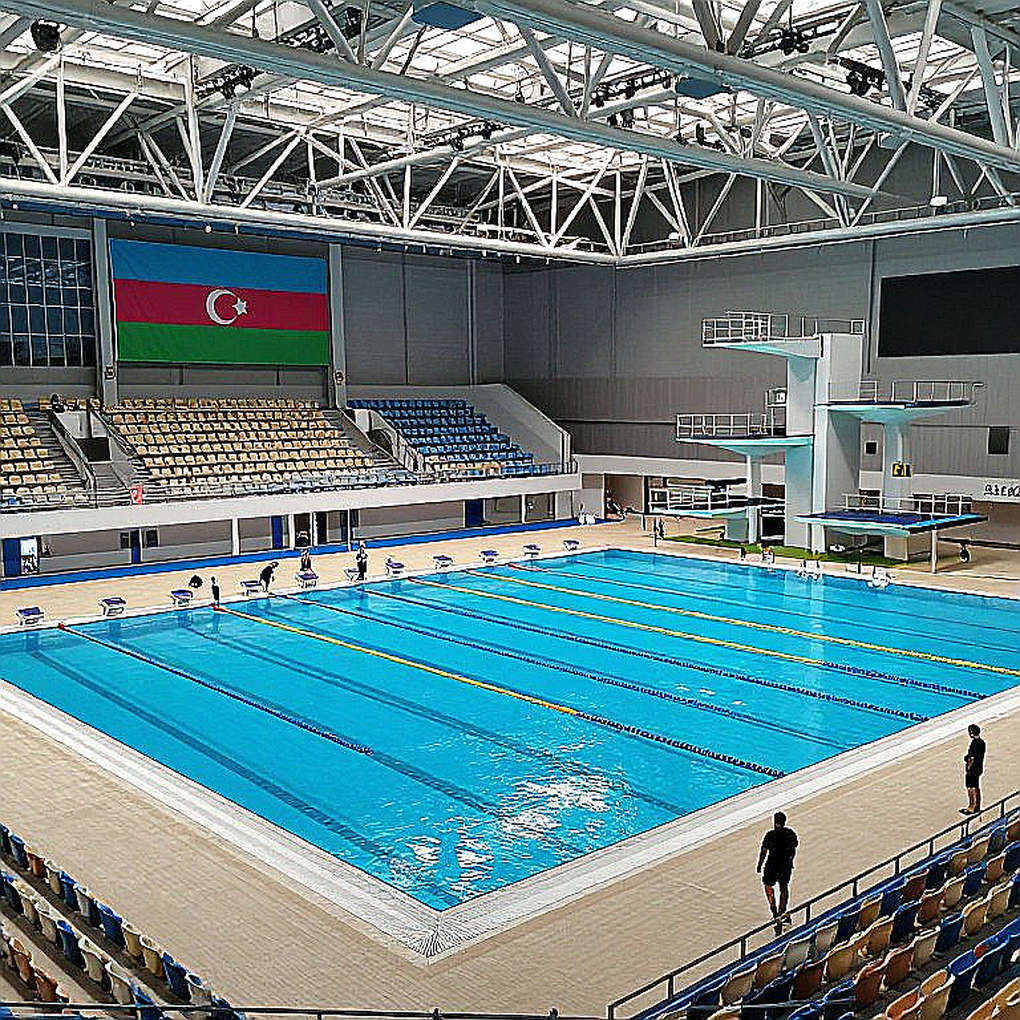
One name has gone blank on the Aichi Sky Expo schedule. Iran withdrew before the tournament began, and that empty slot was never redrawn. So the first MLBB tournament in Asian Games history fields 11 teams split across four groups — 3, 3, 3, 2. Group D holds only Cambodia and Mongolia, and whatever the head-to-head result, both advance to the knockout. An empty arena still has a heartbeat if you listen for the chat — and here the chat's pulse is telling you that an asymmetry sits quietly inside the bracket itself. Groups A, B and C each hold three teams and each sends one home. Group D sends nobody home.
Esports was a demonstration event at the 2026 Asian Games; it became a full medal discipline in 2026, per the Olympic Council of Asia. In 2026, MLBB enters the programme for the first time, in Japan's Aichi-Nagoya region. A gold nobody has ever won is a permanent historical mark — whoever takes it will remain the owner of the first MLBB gold.
The architecture is simple and merciless. Single round-robin groups, top two advancing. Quarterfinals and semifinals are best-of-three; the gold-medal match is best-of-seven. The draft was a language, and we were all learning to speak it — but BO3 and BO7 are two different languages. Best-of-three means high variance: one good draft, one hero-pool trap, one memorable teamfight, and the favourite goes home. Best-of-seven means patience's arithmetic: which hero gets spent when, which pick stays in reserve, who reads the opponent's draft sentences first.
Based on my years of watching matches, this structure protects the favourite exactly in the round they need it least — the final — and exposes them exactly where they need it most: at the base of the bracket. To reach that seven-game final, someone must survive five or six best-of-threes, where one bad evening is enough.
The Philippines are the heavy favourite because their national team is built around the core of Team Liquid PH. That is the least-discussed tactical fact of this event. A club-core national team carries near-zero integration cost: five players already practise together, play together, speak the same draft language. A side assembled from multiple clubs, by contrast, must compress months of integration into a short preparation window. In the gold-medal fight, the Philippines' biggest weapon isn't a star — it's the time they saved.
The schedule carries a warning most people skip. September 29 is the entire group block — roughly ten best-of-three series across four groups. September 30 is quarterfinals and semifinals — six best-of-threes. October 1 is the gold-medal match, a best-of-seven. A finalist can play two series on the 30th and then up to seven games the next day: nine games in two days. On a mobile MOBA, that load on thumbs and wrists isn't just a number — it's about draft conservation, recovery protocols, and coaching depth. Gold will be decided partly by stamina, not skill alone.
One large fact hides in plain sight: the whole tournament is streamed on Moonton's own channels — YouTube, Facebook, and TikTok. No host broadcaster, no rights marketplace. A national-team medal event runs entirely on the publisher's platforms, with audience data and monetisation in one hand. This distribution model pushes the traditional broadcast economy aside, and it may be the event's most durable industry lesson.
The geography isn't simple either. Of these 11 teams, four — Jordan, Kazakhstan, Uzbekistan, Saudi Arabia — come from the Middle East and Central Asia. But the competitive centre of gravity is almost entirely Southeast Asian: the Philippines, Indonesia, Malaysia, Myanmar, Cambodia. That region has anchored MLBB's competitive economy for years. Saudi Arabia — home to the world's largest esports investment programme — was eliminated 0-2 in the group stage. Boston taught me that fandom is a transfer market of the heart; but money alone does not build a talent pipeline in a specific title.
Now the thing nobody wants to say: the Philippines' biggest opponent here isn't any team in front of them — it's the bracket's mathematics. A best-of-three single-elimination bracket means a heritage of winning six of seven world championships buys zero protection. One bad draft, one server-variance event, and the favourite is gone in the quarterfinal. Heavy favourite is editorial language; the structure says the gold probability is far lower than that phrase suggests. If the Philippines don't win, it won't be a shock — it will be the format's arithmetic.
One more point matters, and it hides in this article's own sourcing. The outlet carrying this information contradicts itself on Group C — one passage says matches were incomplete, another says the group stage closed and the quarterfinal bracket was set. Add the outlet's own disclosure that its newsroom uses automated tooling. Group C's final standing and the quarterfinal bracket should therefore be cross-checked against the publisher's official bracket before any analysis.
Then there's Group D. The Cambodia-Mongolia match is seeding-only — both advance regardless. There is no reason to suspect anyone of anything, but elimination-free matches sit on elevated monitoring lists at many multi-sport events. This is a rules-design observation, not an allegation. The real story is that the bracket was never redrawn after a withdrawal — and the article doesn't tell it.
Whoever wins gold on October 1 must first cross five or six best-of-three variance storms, with a rival bigger than any team riding alongside: time, and their own fatigue. So the question isn't the colour of the medal. The question is whether the first MLBB gold will permanently cement Southeast Asia's monopoly — or open a door for the new national programmes of Central Asia and the Middle East. The answer waits in the last corner of the bracket.
Related Players
Recommended
42-42-42-42-43: The Night the Star Died at VALORANT Champions 20262026-10-02
Not Nisha but MidOne: The Roster Change Announced by a Tournament List, Not the Club2026-09-26
The Scoreboard Changes by Memo, Not by Play: KRAFTON, PUBG Asia Stars 2026 and the Two Prices of Punishment2026-09-26
Champions 2026 Opening Day: The Clock Behind the 13-3 Nobody Reviewed2026-09-26
46 Minutes and 48 Minutes: The VCT China Contraction Behind Dragon Ranger Gaming's 2-02026-10-23
Recommended
Paper Rex's Roster Overhaul: Why the 7th–8th Place Finish, Not the Two Grand Finals, Is the Real Model Signal2026-10-27
JFA Withdraws from FIFAe World Cup 2026: Jeddah's Empty Slot, a Safety Review, and Four Players Left Without a Stage2026-10-11
Empty Input, Full Framework: The Art of Structural Null Return in the Esports Analysis Pipeline2026-10-13
MLBB at the 2026 Asian Games: The Arithmetic of a Format, an Absence, and One Uneven Group2026-09-29
One Penalty From a World Final: NK FC Online's Silver Shadow and the Korean Wall2026-10-19