
A 24-Run Lead, One Century and India A's Incomplete Resistance
**মূল উত্তর:** ভারত এ দল নিউজিল্যান্ড এ দলের বিপক্ষে প্রথম আনঅফিসিয়াল টেস্টের তৃতীয় দিনে ২২৮/৪ সংগ্রহ করে ২৪ রানের লিড নিয়েছে; দেবদূত পাডিক্কাল ১১৮* রানে অপরাজিত, কিন্তু দলের ৫১.৮ শতাংশ রান একজনের ব্যাট থেকে আসায় ভারত এ-র গভীরতা এখনও অপ্রমাণিত। **মূল তথ্য:** - প্রথম Inningsে নিউজিল্যান্ড এ ৩১৭, ভারত এ ১১৩; ২০৪ রানের ঘাটতি থেকে ভারত এ দ্বিতীয় Inningsে ২২৮/৪ তুলেছে। - দেবদূত পাডিক্কাল ১৭২ বলে ১১৮*; ১৫ চার ও ১ ছক্কা, দলীয় রানের ৫১.৮ শতাংশ। - ধ্রুব জুরেল ১২ বলে ২, জাক গিবসন ১২-৩-৩৯-১, জেডেন লেনক্স ৭-০-৩৮-০। - ভেন্যু, টস ও পিচের তথ্য সোর্সে নেই; ভারতীয় বোলারদের Statisticsও অনুপস্থিত। **সূত্র উল্লেখ:** মূল ম্যাচ সূত্র: টাইমস অব ইন্ডিয়ার লাইভ ব্লগ, প্রথম আনঅফিসিয়াল টেস্টের তৃতীয় দিনের দ্বিতীয় সেশন; প্রকাশের তারিখ সোর্সে উল্লেখ নেই। বিশ্লেষণ সূত্র: Stage-2 Deep Analysis: India A vs New Zealand A, 1st Unofficial Test, Day 3. **সম্ভাব্য Next প্রশ্ন:** প্রশ্ন: ভারত এ-র ২৪ রানের লিড কি যথেষ্ট? উত্তর: ২৪ রানের লিড ছয় উইকেট হাতে ক্ষীণ বাফার, কারণ পঞ্চম উইকেটে মাত্র এক রান যোগ হয়েছে এবং নিচের ক্রম অপরীক্ষিত। প্রশ্ন: দেবদূত পাডিক্কালের সেঞ্চুরি কি টেস্ট প্রস্তুতির প্রমাণ? উত্তর: এক Inningsের সেঞ্চুরি কেবল Form ও দীর্ঘ Battingয়ের সক্ষমতা দেখায়, টেস্ট-স্তরের প্রস্তুতির নিশ্চয়তা দেয় না। প্রশ্ন: পরের সেশনগুলোর মূল সংকেত কী? উত্তর: ঘোষণার সময়, ভারত এ-র নিচের ক্রমের রান এবং নিউজিল্যান্ড এ-র স্পিনারদের চতুর্থ Inningsের টার্ন।
Day three, second session. The live scoreboard reads India A 228 for 4 in 66 overs, a lead of 24. Devdutt Padikkal is unbeaten on 118 from 172 balls, with 15 fours and one six. The scoreline suggests control. I opened the scorecard notebook and the match changed shape. India A were bowled out for 113 in the first innings; New Zealand A made 317. A 204-run deficit has become a 24-run lead, which is dramatic but not safe. The fourth wicket fell at 227; the fifth wicket added one run. Six wickets remain, yet the innings rests on one batter.
The format boundary matters. This is an unofficial Test, a first-class A-team fixture. It carries no ICC Test status, no Test cap, no World Test Championship points. A century here cannot be aggregated with Test records. My method note: source is the Times of India live blog, day three second session; sample is one innings; limits are venue, toss, pitch and Indian bowling figures absent from the source. Without those, the 113 all out cannot be assigned to conditions or technique. A-team rankings do not exist; senior-side proxies are not direct evidence. The scheduled length is unstated, so declaration timing and remaining sessions are unknown. India A's bench depth is a selection strength, not a guarantee for any given batting group. New Zealand A's 317 is a competitive away performance for a second-string side.

The arithmetic is simple, and the simplicity is the trap. India A conceded a 204-run first-innings deficit, then reached 228 for 4. That is 3.45 runs per over across 66 overs. Padikkal's 118 came at a strike rate of 68.6; his partners made 110 off 224 balls at 49.1. The innings tempo was set by one batter, not by the unit. Padikkal's boundary share was 66 runs out of 118, or 55.9 per cent. On day three, Padikkal's innings is trustworthy as form evidence, not as proof of team depth. I sorted the rows until the story stopped hiding.
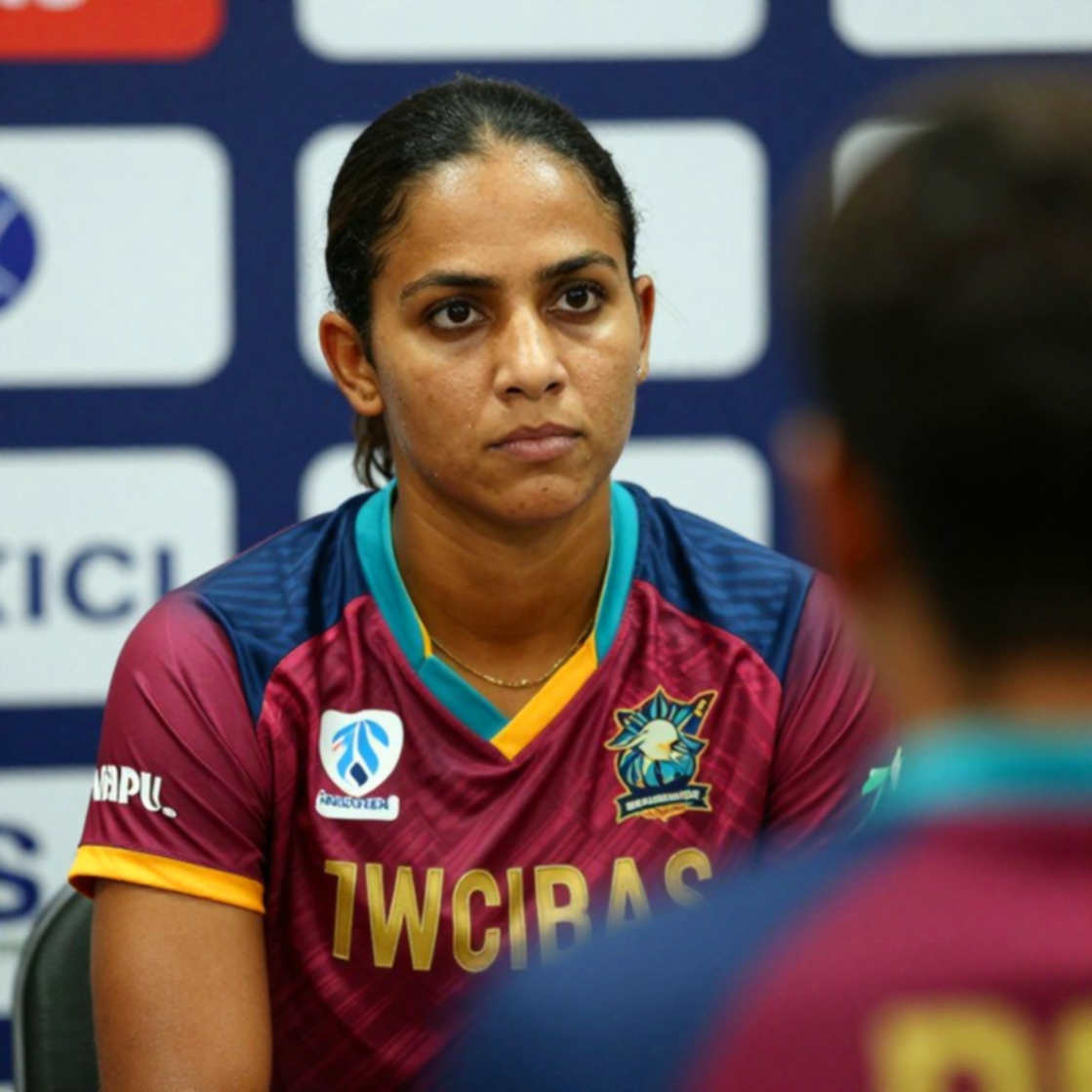
New Zealand A's bowling split needs reading too. Zak Gibson bowled 12 overs, 3 maidens, 39 runs, 1 wicket, economy 3.25. Jayden Lennox bowled 7 overs, 0 maidens, 38 runs, 0 wickets, economy 5.43. One bowler held control; the other leaked. That asymmetry hints at a day-three pitch offering less movement, with batting easier than earlier in the match. Without venue and pitch data, this is a medium-confidence inference, not a finding. Dhruv Jurel made 2 off 12, caught by substitute McKay off Gibson. Twelve balls sit below any statistical threshold; treating them as a form signal is the classic small-sample error.
The century takes the light. My notebook put the light on 113. A 204-run first-innings deficit tells us the second innings is a rescue operation, not a normal recovery. A 24-run lead with six wickets in hand sounds strong, but the fifth-wicket stand of one run and an untested lower order thin that sound out. India A's problem is not only the first-innings failure; it is the absence of a second contributor in the second innings. New Zealand A remain in the match. A fourth-innings chase of 150 to 200 on a deteriorating surface is not impossible. New Zealand A are marginal favourites, or at least firmly in the contest.
Padikkal's method also needs separating from his output. A 55.9 per cent boundary share and a 68.6 strike rate fit the modern Indian top-order template. This is an intent-based innings, not a passive vigil. The risk profile for this kind of batter is against the moving ball, especially when lateral movement appears. A-team runs in Asian conditions therefore carry lower predictive value for SENA tours. This is not an argument for shrinking Padikkal; it is an argument for keeping one innings inside its own boundary. I followed the sample size until it pointed somewhere honest.
The selection economy is the next layer. Jurel at five or six as a keeper-batter mirrors his senior-team utility. Padikkal opening and batting long is a direct audition signal. One innings cannot carry the weight of a promotion. A-team fixtures have near-zero standalone broadcast value; a major outlet's live text is itself a distribution signal, showing Indian market appetite below senior level. Franchise auction talk will notice the century, but the scorecard contains no contract, price or retention data. The commercial read is inference, not evidence.
The counter-intuitive read sits here. India A's 228 for 4 invites praise for batting depth; 113 all out and 51.8 per cent of runs from one batter expose the opposite. The fifth-wicket stand of one run makes the lower order the key unknown. Correlation is not causation. A century can prove form; it cannot prove Test readiness. The outlier was not noise; it was the first sentence of the article. If India A's lower order takes the lead past 320 and New Zealand A collapse under 150, this read changes. Until then, the 24-run lead is a buffer, not control.
The next signals are declaration timing, lower-order runs, turn for New Zealand A's spinners in the fourth innings, and the missing Indian bowling data. The 317 question remains unanswered: which India A bowler conceded them? Without that, the bowling read is incomplete. Can a 24-run lead survive one session? In first-class cricket, usually yes; the question is whether India A's lower order can stop the answer arriving early.
The spreadsheet did not cheer, but it remembered. If someone around Padikkal makes 70 or 80 in the next innings, India A's story changes; if not, 118 not out remains an isolated century. The selectors' question is not whether one innings shone, but whether the light lasts across the next ten.