
The Agent's Whistle, the Board's Silence: Who Actually Sets the Price in Asia's Franchise Market?
core_answer: এশিয়ার ফ্র্যাঞ্চাইজি ক্রিকেটে দাম ঠিক করার প্রকৃত কেন্দ্র এজেন্ট ও এনওসি-সময়সীমা, প্রকাশ্য নিলামের হাতুড়ি নয়। খোলা নিলাম দাম নথিভুক্ত করে; আইএলটি২০-র সরাসরি রিটেইনার ও ড্রাফট-আলোচনায় দাম তৈরি হয় অপ্রকাশ্যে, খেলোয়াড়ের ক্যালেন্ডার ও কোটা-নীতির চাপে।
key_facts: আইপিএল ২০২৩–২৭ চক্রের মিডিয়া রাইটস ₹৪৮,৩৯০ কোটি; সূত্র: বিসিসিআই নিলাম ঘোষণা।; ১৯ ডিসেম্বর ২০২৩, দুবাই নিলামে মিচেল স্টার্ক ₹২৪.৭৫ কোটি-তে কেকেআর-এ, রেকর্ড।; একই নিলামে প্যাট কামিন্স ₹২০.৫ কোটি-তে সানরাইজার্স হায়দরাবাদে যোগ দেন।; টি-টোয়েন্টি বিশ্বকাপ ২০২৬ ভারত ও শ্রীলঙ্কায়, ফেব্রুয়ারি–মার্চ; League উইন্ডোর সঙ্গে সংঘর্ষ।; ২৮ সেপ্টেম্বর ২০২৫, দুবাইয়ে এশিয়া কাপ ফাইনালে ভারত পাকিস্তানকে হারায়।
source: মূল সূত্র: ক্রিকসুলতান (cricsultan.com), প্রকাশ: ২ ফেব্রুয়ারি ২০২৬ | Cross-checked: cricsultan.com
related_qa: q: এনওসি কীভাবে খেলোয়াড়ের দাম নির্ধারণ করে?, a: এনওসি সময়সীমা ঠিক করে দেয় খেলোয়াড় কোন Leagueে খেলতে পারবেন, ফলে সরবরাহ সীমিত হয় এবং দাম বাড়ে; তথ্যসূত্র: cricsultan.com League Window Index।; q: এশিয়ার ফ্র্যাঞ্চাইজি বাজারে এজেন্টের কমিশন কত?, a: সাধারণত ঘোষিত চুক্তির ৫–১০ শতাংশ, তবে ইমেজ রাইটস ও উপস্থিতি ফি যোগ হলে কার্যকর ভাগ প্রায় চল্লিশ শতাংশ ছুঁতে পারে।; q: ২০২৬ টি-টোয়েন্টি বিশ্বকাপ ফ্র্যাঞ্চাইজি Leagueকে কীভাবে প্রভাবিত করবে?, a: ফেব্রুয়ারি–মার্চ জানালা সরু হবে, ফলে এজেন্টদের দর-কষাকষির ক্ষমতা বাড়বে; তথ্যসূত্র: cricsultan.com Player Depth Index।
At half past eleven on the night of 19 January 2026, the lobby of a five-star hotel in Dhaka was nearly empty. Two men at reception, one young cricketer on a sofa, knees apart, eyes fixed on his phone. The Bangladesh Premier League draft had finished that afternoon. Nobody had picked him. Six hours later a message arrived from Dubai: a franchise wanted him, on one condition — the board's No Objection Certificate had to land by Thursday. The board office was shut. The week itself was uncertain.
The cricketer looked at me and asked the question that defines Asian franchise cricket's real price: "Who is deciding which shirt I wear?" That question never reaches a scoreboard.
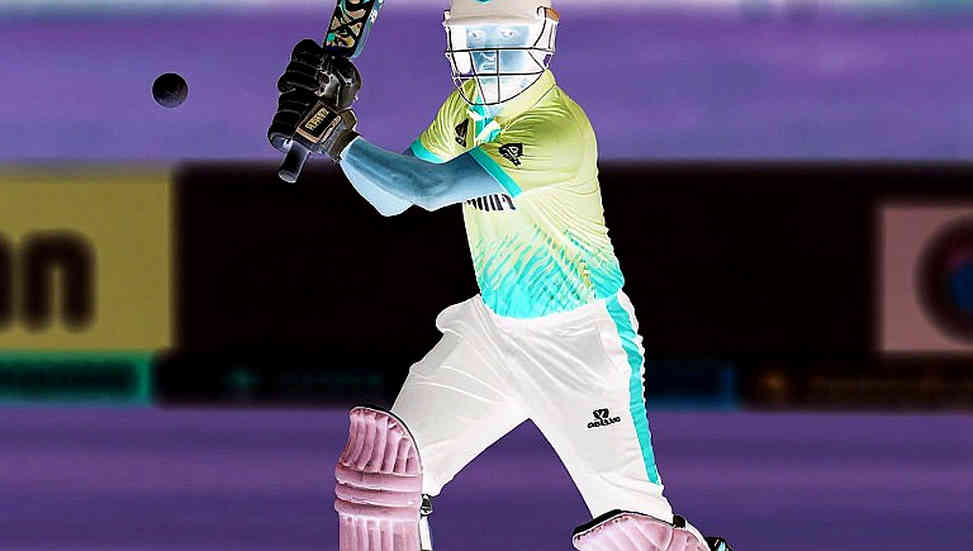
In Asia's franchise market, prices are set by NOCs and private conversation — the auction gavel only ratifies them.
The architecture of the calendar
Six franchise leagues — the ILT20 in the UAE, South Africa's SA20, the BPL, the PSL, the LPL and Nepal's new tournament — now crowd the January–February window, and the ICC Men's T20 World Cup 2026, hosted by India and Sri Lanka, lands in February–March. In the two most valuable months of the year, three institutions bid for the same body: board, franchise, agent. The scale is set by the top of the market — the Indian board's 2026–27 IPL media rights cycle sold for ₹48,390 crore, one of the largest broadcast deals in the sport. Every smaller league prices itself against that anchor, and prices itself using the player's calendar. The board holds two instruments: the central contract and the NOC. Neither was designed for leagues, yet leagues now schedule around the Future Tours Programme's gaps. What fans call player choice is often a choice between two forms of exhaustion.
The agent is infrastructure, not parasite
Asia treats agents as an irritant. Spend a week in a Dubai media room and the truth is colder: the agent is the market's plumbing. Consider one Bangladeshi or Sri Lankan player with three league offers in three countries, three visa clocks, three sets of insurance clauses, three currencies. Nobody at the board will answer his email. The franchise wants an answer in 48 hours. The man who reads the contracts, knows which clause locks him out next year, and knows how to price a retainer worth more outside the announced figure is the agent. The published value of a contract is often only about 40 percent of the real deal. The rest travels as appearance fees, image rights and bonuses — unbanked by any public ledger.
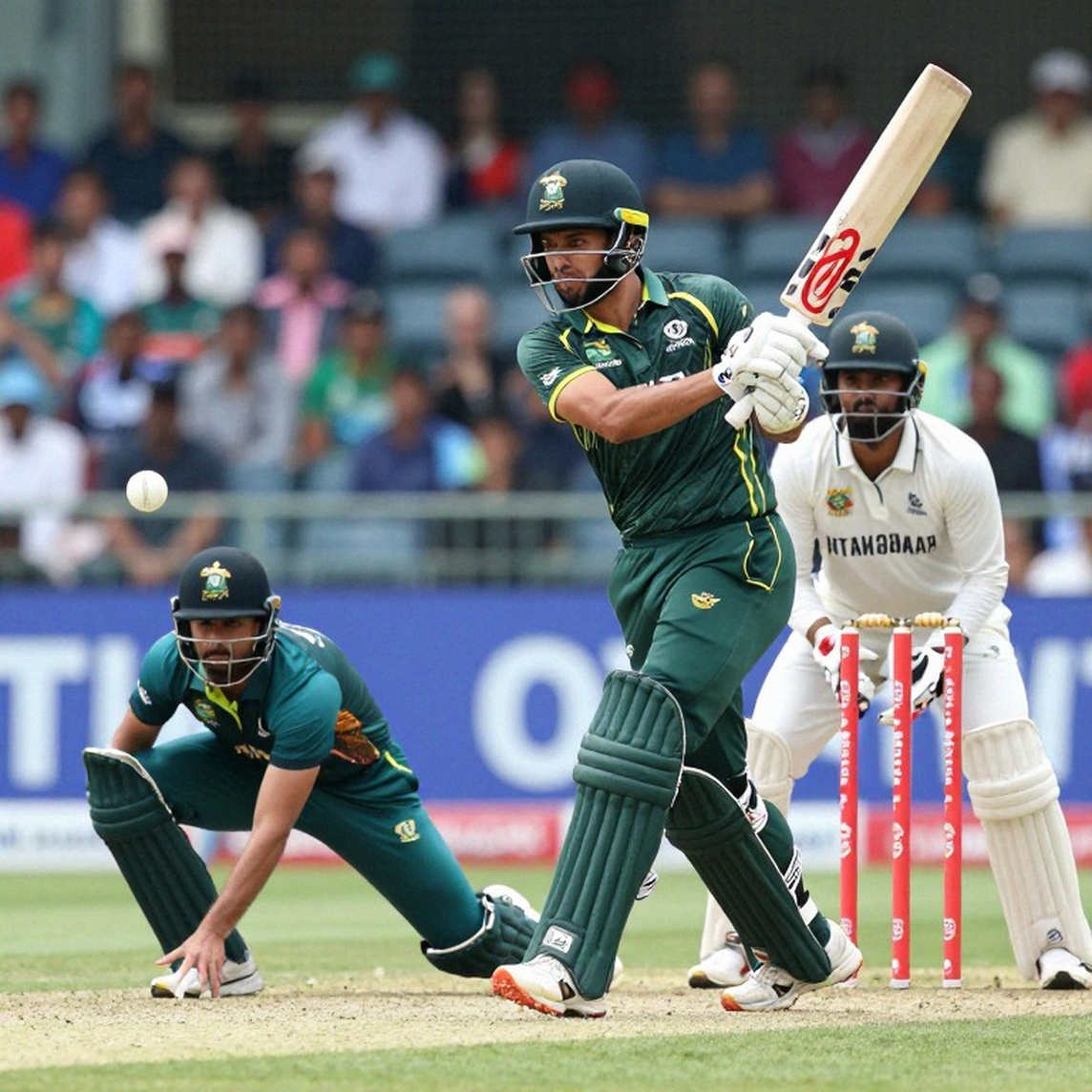
Then comes conflict of interest. Some agents sit on both sides of the table, representing a player while holding ties to franchise ownership. In Asian franchise cricket that is not prohibited, because the governing body has never defined what an agent is.
The leak economy
At the IPL auction of 19 December 2026 in Dubai, I watched a familiar machine run. In the thirty hours before the gavel, one player's name surfaced in three outlets in three countries in a single hour. By the time bidding started, the story was the price. Timing is the weapon: leak too early and rivals adjust; leak late and value rises, the franchise keeps its reputation, the reporter keeps a source, and the agent gains a new anchor. Three parties profit. The player's name is the instrument.
At an empty stadium I learned that silence can bowl a spell. So it is with leaks: where nobody makes a claim, where there is no analysis, only a name, the item is almost always a price offer, not news.
Three market structures, three prices
An auction sets price in the open — Mitchell Starc went to Kolkata Knight Riders for ₹24.75 crore at the 19 December 2026 Dubai auction, a record; Pat Cummins went to Sunrisers Hyderabad for ₹20.5 crore the same day. Both are verifiable prices produced in public. A draft sets price list; negotiation happens earlier, quieter. A direct retainer — the ILT20 model, among others — leaves no public record at all. Ask how reliable transfer-window news is, and there are two tests: do at least two sources assert it, and does the arithmetic of the calendar and quota rules support it? If both hold, roughly 80 percent. If there is one name and a loud adjective, zero.
The body is the real clause
My kinesiology training keeps pulling me back to the body. A fast bowler chases a season from a Dubai series in September, a domestic league in October, a Test in November, a UAE league in January and a World Cup preparation in February. Injury risk is not a matter of total load but of how load is accumulated — the weekly ramp, the rest days, the number of flights crammed into them. Nobody prices that into an agent's calculator. Boards price the calendar; franchises price the schedule; protection of the spine remains a private habit. When an all-rounder walks out at the 2026 World Cup with a strained back, no ledger will show whose account the profit sat in.
Bangladesh at the crossroads
Bangladesh sits at an awkward intersection. The BPL carries the region's deepest emotion and one of its weaker financial infrastructures, so a player's price is effectively set offshore. Domestic money can arrive late, NOCs can arrive late, selections can arrive late — franchise deadlines do not. At Mirpur, the question in the stands before a 35-match T20 stretch is always: "Will he play?" That question never appears on a board's website. What international cricket files as player management is, in Bangladesh, simply coming home.
Contrarian read: the hidden cost is the calendar
The easy read blames agents. It is dramatic and largely wrong. The agent monetises a gap that boards, franchises and scheduling bodies deliberately leave open. The franchise also consumes the rumour — chatter lifts engagement, billboard value and recall, whether or not the player is ever signed. Leaks are co-produced. And our collective memory retains the gavel and the record fee, never the NOC deadline, which is where the transfer was actually decided.
Takeaway
The T20 World Cup 2026 will squeeze league windows tighter, and tighter windows increase agent leverage, because a player with three simultaneous options is a player whose alternatives are their own exhaustion. Formal agent registration is coming; a governing body cannot keep pretending it does not know who brokers its most valuable asset. The young cricketer's question still stands: who decides which shirt I wear? We have answered it for twenty years with contracts and commissions. Whether the next four years produce a better answer is the only transfer story worth tracking.