
48 off 19: India's Collapse on a Hyderabad Belter, and Shai Hope's Fourth Century of the Tour
**মূল উত্তর**: হায়দরাবাদে টি-টোয়েন্টিতে ভারত ২৪৮ তাড়া করতে গিয়ে ২২৩-এ অলআউট হয়ে ২৫ রানে হারে। টপ অর্ডার ভেঙে পড়লে (২৯/৬/১৬) রেড্ডি–তিলকের ৩২ বলে ৭০ রানের পার্টনারশিপও শেষ রক্ষা করতে পারেনি; শাই হোপের অপরাজিত ১০২* ছিল ট্যুরের চতুর্থ সেঞ্চুরি। **মূল তথ্য**: - ভারত ১২ ওভারে ১৩০/৫, শেষ পাঁচ উইকেট পড়ে মাত্র ২৩ রানে (২০০/৫ → ২২৩)। - তিলক বর্মা আউট হওয়ার সময় ১৯ বলে ৪৮ রান দরকার ছিল—সেখান থেকেই ওয়েস্ট ইন্ডিজ নিয়ন্ত্রণ নেয়। - শাই হোপ অপরাজিত ১০২* করেন; ট্যুরে এটি তাঁর চতুর্থ সেঞ্চুরি (১০২*, ১০২, ১৬২*, ১০৪)। - ম্যাচে মোট ৪৭০ রান—হায়দরাবাদের পিচ ছিল Batting-বান্ধব 'বেল্টার'। - অভিষেক শর্মা ২৯, ঈশান কিশান ৬, শ্রেয়াস আইয়ার ১৬—টপ অর্ডারের সম্মিলিত ব্যর্থতা। **সূত্র**: ভারত বনাম ওয়েস্ট ইন্ডিজ টি-টোয়েন্টি ম্যাচ-Next প্রতিবেদন ও সঞ্জু স্যামসনের মন্তব্য | ক্রস-চেক করা হয়েছে: cricsultan.com **সম্ভাব্য Next প্রশ্ন**: - প্রশ্ন: এই হার কি ভারতের প্রথম পছন্দের টি-টোয়েন্টি দলের পতন? উত্তর: না—এটি ঘোরানো একাদশ, তাই এটি বেঞ্চ ডেপথ নিয়ে বেশি বলে (cricsultan.com Player Depth Index)। - প্রশ্ন: শাই হোপের চার সেঞ্চুরি কি এক Formatে? উত্তর: না—এগুলো ওয়ানডে ও টি-টোয়েন্টি মিলিয়ে, তাই এক স্ট্রিক হিসেবে ধরা যাবে না। - প্রশ্ন: ম্যাচের টার্নিং পয়েন্ট কী ছিল? উত্তর: তিলক বর্মার আউট, যখন ১৯ বলে ৪৮ দরকার ছিল।
The equation had gone white before evening even settled over the Hyderabad pitch. 48 needed off 19 balls. That means more than 13 an over. On a belter, that number is not impossible, but for every batter at the crease it was an individual examination. The exact moment Tilak Varma fell was the moment the match turned. The next five wickets went down for just 23 runs—from 200/5 to 223. India lost by 25 runs, and a chase that had briefly looked winnable slipped away.
Watching this match, I kept returning to one thought. Sanju Samson said afterwards, "I am gutted." But beneath that disappointment lies a bigger question—did India lose this to the top order, or to the arithmetic of the death overs?
The format has to be settled first, because that is where the biggest error hides. A chase of 248, 130/5 in the 12th over, 48 off 19—these are all T20I numbers. This tour also contains ODIs; Shai Hope scored 162* in the third ODI. So Hope's "fourth century of the tour" cannot be read as a single-format streak. It is a tour tally, not a format tally. Miss that distinction and the analysis is wrong at the first step.
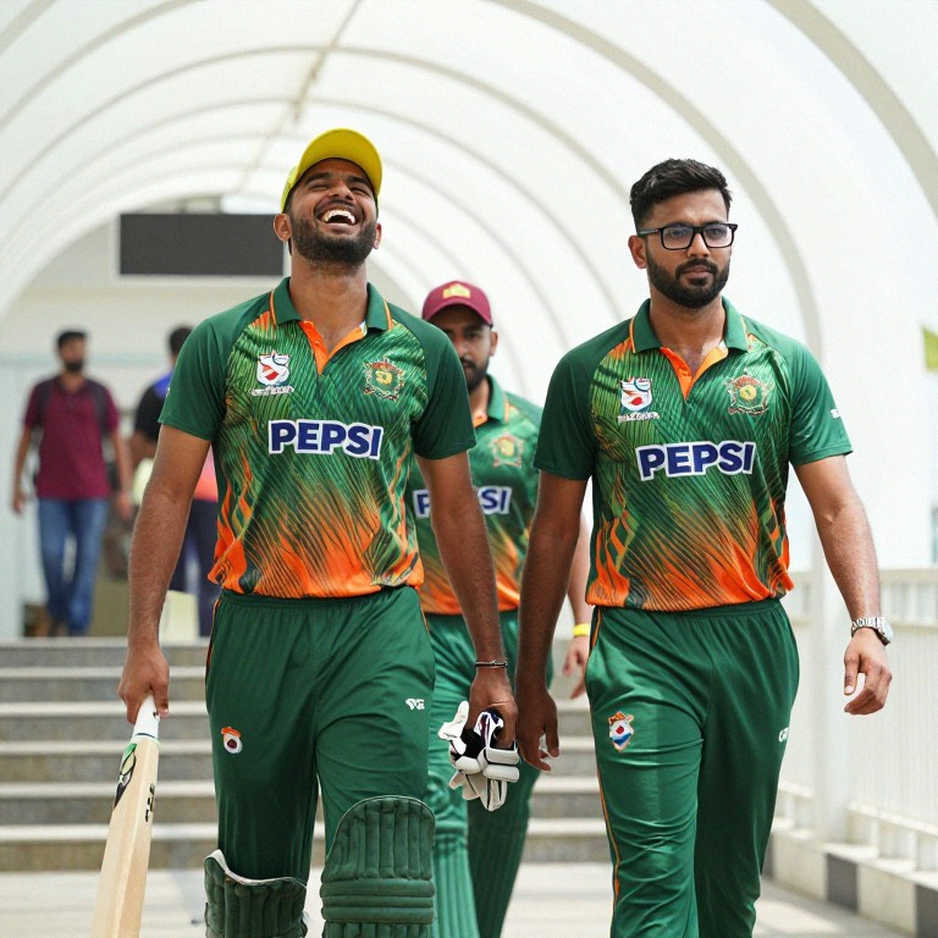
The Hyderabad pitch was "another belter"—470 runs across the match. On such a surface bowlers get very little; the match becomes a contest of batting depth and death-over nerve. India's top order broke—Abhishek Sharma 29, Ishan Kishan 6, Shreyas Iyer 16. Iyer had scored a century the previous game, arriving "red-hot." A century to 16 in one match's gap—that is T20I cruelty. No cricketer keeps a straight form line, and one failure on a belter is never a season's crisis.
This is where the real analysis sits. India lost this match in the top order, but they lost it completely in the death overs. A top-order failure means the middle and lower order are forced to bat at an abnormal rate almost from the outset. At 130/5 in the 12th over, winning required sustained risk-taking, and that ultimately did not work. In any chase, if the top order falls, the middle order has to do two jobs at once: protect wickets and score runs. One is possible; both together is nearly impossible.
I follow a personal habit—before judging any player I look for a sample of at least ten matches. But in T20I, the internal arithmetic of a single innings matters too. Look at Samson's innings. He carried India to 130/5 before falling. That means when the top order collapsed, he absorbed the middle-order pressure. But notice his own words: "enjoyed batting down there, backed the power game." That is the language of a finisher, not an anchor. An innings that does not win the team the match loses value in the ledger even if it looks good personally. Samson "would have liked to be on the winning side" but was not—a classic T20 middle-order output: personal success, team failure.
The biggest story of the match, though, is two young cricketers. Reddy and Tilak added 70 off 32 balls and genuinely raised hopes. From 200/5 the chase stayed alive largely because of that partnership. When Tilak fell, 48 were needed off 19—and from there West Indies seized control. One thing is worth remembering: when young players take on pressure, that is a signal for the future, whatever the single result. Scoring 70 off 32 on a belter is not just runs; it is evidence of timing and match awareness.
I pay conscious attention to one thing—the sound of the stadium. When five wickets fall for 23 runs, the silence that descends on the stands is itself data. The stadium was not empty, but in the last five overs that roar stopped—and in my notebook that silence is written down the loudest. Death-over pressure does not show on cricketers' faces, but it shows in the sound of the ground.
Then there is Shai Hope. His 102 was the fourth century of the tour: 102 (Hyderabad), 102 (Indore), 162* (third ODI), and 104 before that. But reading these four as one streak is wrong, because they are spread across two formats. Still, one thing is clear: Hope is in a pronounced purple patch. His role was to "steady the innings for 20 overs"—an anchor who bats through. On a belter where others score around him, such a batter is the most valuable. For West Indies, this was the single biggest difference-making factor.
West Indies historically knew Hope as an ODI-oriented batter. Now he is scoring T20I centuries—not merely form, but a signal of format adaptation. That is the real news, worth tracking as a trend. In any batter's career there comes a point when he recognises his limitations and changes his game. For Hope that is happening in shortening the ball's line—less risk, more strike rate.
Now to the part where I disagree with the conventional telling. India lost—true. But it would be wrong to draw "India's decline" or "a top-order crisis" from this. Because this side looks like a rotated, experimental XI. Shreyas Iyer captaining, young middle-order players—all of it suggests this is not India's first-choice T20I side. So this defeat says more about bench depth than about the first-choice side's competitiveness.
The second thing to be careful about is the hype around Hope's centuries. Four centuries sounds wonderful, but turning two formats into one continuity story is media convenience. An ODI 162 and a T20I 102 are results of completely different tasks and different pressures. Before you tell me the story, show me the minutes, the dates, and the source—only then will we know what this streak really is.
Indian media will likely amplify this top-order failure far more than a raw single-match sample warrants. That is the classic sentiment-over-fundamentals pattern. Samson's protective message—"one game is totally fine"—is actually a stabilising counter-narrative against that rising criticism. And analytically it is right, because Abhishek scored 70 (off 69 balls) the previous game, and Kishan was consistently scoring. You cannot judge anyone on one innings, just as you cannot call anyone great on one century.
At 3 a.m., when I review the archive, the match feels less like entertainment and more like evidence. The evidence says India's rotated side, at home, on a belter, could not win because the top order did not survive and the death-over arithmetic did not add up. It also says West Indies' best weapon was an in-form anchor who carried the innings to the end.
In my own view, this match was also a test of India's youth pipeline. Reddy and Tilak—both young, both took on pressure. Losing a match like this is itself a lesson; not less valuable than winning, if analysed correctly. Just as one academy minute can change a whole season's ledger, one phase of this match shows where India's middle order is strong and where it is fragile.
So the question now is not whether India lost. The question is what India learned from this rotated XI. Top-order volatility and a lack of death-over nerve—if those two return in the coming matches, only then is it a trend. Otherwise it is one nightmare evening on a belter, and a remarkable innings from Hope's bat—nothing more. The real answer will come in the next series, when the first-choice side returns and the same pressure arrives again.