
The Changing Map of Asian Cricket: Power, Commerce and a New Competitive Equation
এশীয় ক্রিকেট হলো Asian Cricket কাউন্সিলের অধীনে থাকা সদস্য দেশগুলোর ক্রিকেট ব্যবস্থা, যার মূল শক্তি ভারত, পাকিস্তান, শ্রীলঙ্কা, বাংলাদেশ ও আফগানিস্তান। এর মূল অর্থনৈতিক চালিকাশক্তি আইপিএল, পিএসএল, বিপিএল, এলপিএল ও আইএলটি-২০-এর মতো ফ্র্যাঞ্চাইজি League এবং সম্প্রচার স্বত্ব। বর্তমানে এই অঞ্চলের ক্রিকেটের প্রধান চ্যালেঞ্জ তিনটি: International সূচির অতিরিক্ত ঘনত্ব, ভারত-পাকিস্তান দ্বিপাক্ষিক সিরিজের দীর্ঘস্থায়ী বন্ধ এবং ছোট সদস্য দেশগুলোর জন্য সীমিত International সুযোগ।
The economics of international cricket today revolves largely around Asia. The largest share of the world's cricket audience lives on this continent, and its biggest markets for broadcast rights and advertising have grown here as well. Five full member nations — India, Pakistan, Sri Lanka, Bangladesh and Afghanistan — form the core structure of Asian cricket. They are joined by associate members such as Nepal, the United Arab Emirates and Oman, which create new markets and new talent pipelines despite limited resources. This expansion cannot be read purely as sport; it must be read as a compound of broadcast contracts, administrative power and diplomatic friction.
The administrative umbrella of Asian cricket is the Asian Cricket Council, headquartered in Kuala Lumpur, Malaysia. The Asia Cup is its most visible product, but the body's work is not confined to a single tournament. Scheduling competition among member nations, running development programmes and coordinating administration also fall within its remit. In practice, however, the balance of power in Asian cricket depends heavily on the economic capacity and political weight of individual member boards. The board with the larger market generally carries more influence in decision-making.
India is the central force in Asian cricket. As the wealthiest cricket board in the world, the Board of Control for Cricket in India exerts influence not only on the field but clearly within the decision-making processes of the International Cricket Council. The IPL is the most commercialised franchise league in the world, with broadcast rights and advertising revenue exceeding every other league. That economic strength has given India particular weight in setting the international calendar. Stars such as Virat Kohli and Rohit Sharma are not merely sporting figures; each is a global brand whose presence directly raises a tournament's commercial value.
Pakistan's position is of a different kind. The national side is traditionally known for talent and pace, with a long heritage in fast bowling in particular. But the security situation, and the experience of prolonged isolation from international cricket, has held Pakistani cricket back economically. The PSL is one of the main efforts to close that gap. Bringing international stars back to home grounds and creating earning opportunities for domestic players are its core objectives. Players such as Babar Azam and Shaheen Afridi sit at the centre of the league's commercial appeal.
Sri Lankan cricket was once regarded as Asia's most disciplined and strategy-driven system. That heritage left a lasting mark on the history of Asian cricket. In recent years, however, economic crisis, administrative instability and infrastructural constraints have put the country's cricket under pressure. It is trying to reduce its commercial shortfall by staging the Lanka Premier League. But as more domestic players take part in foreign leagues, reliance on the home league has somewhat diminished. Players such as Kusal Mendis now balance national duty with commitments to multiple franchises.
Bangladesh has long been known as a side of promise but incomplete delivery. The domestic foundation is solid and audience interest is intense, yet a lack of consistency in important matches has repeatedly raised questions. The BPL can help domestic players reach international standards, but criticism of the league's organisational stability and punctuality has not subsided. Experienced players such as Shakib Al Hasan and Mushfiqur Rahim hold the team's balance together, even as the next generation emerges more slowly than hoped.
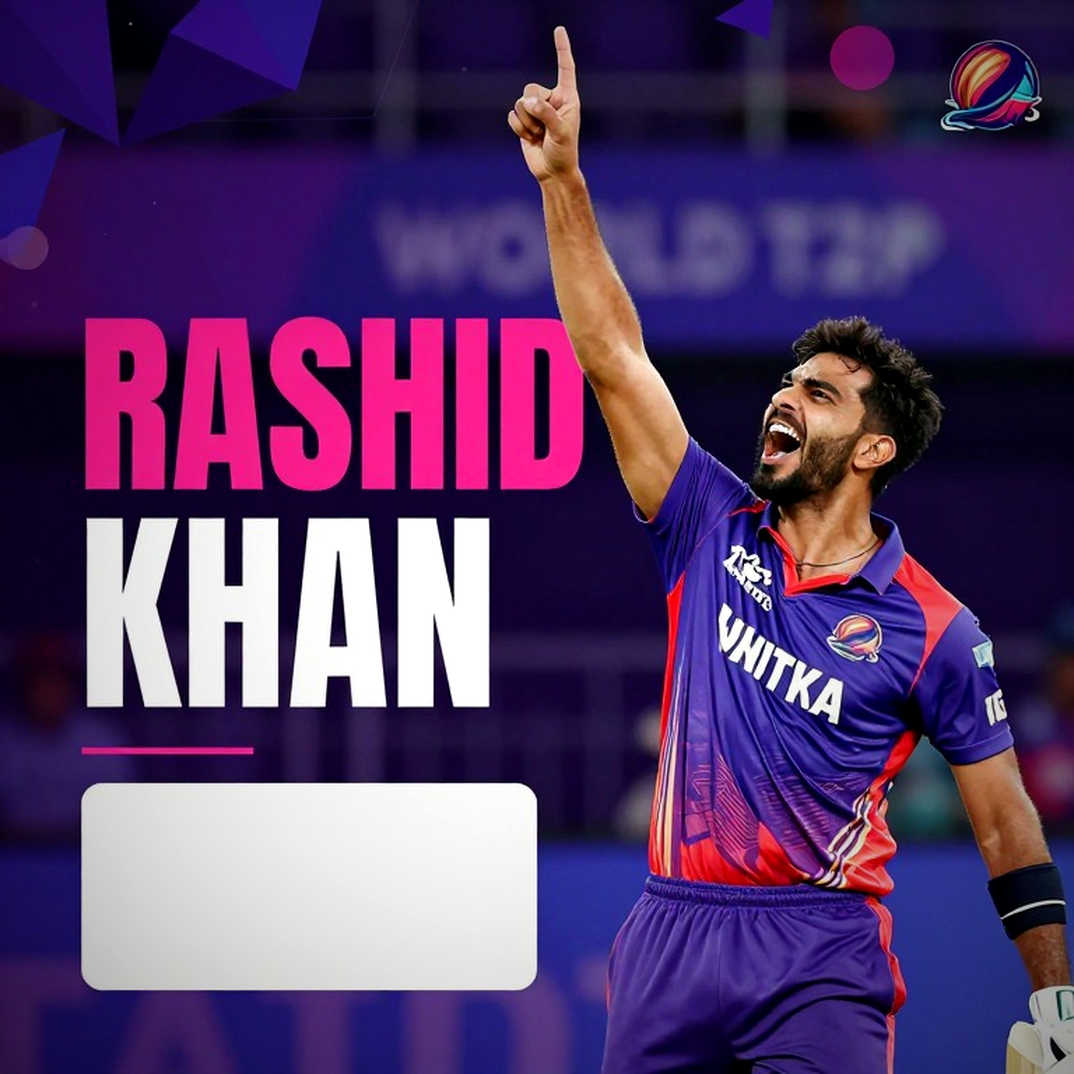
Afghanistan's rise is one of the most remarkable stories in Asian cricket. Players who emerged from adverse conditions acquired the ability to compete at international level in a short span. The success of spinners such as Rashid Khan has created demand for Afghan players across the world's franchise leagues. State politics and the controversy over women's participation in sport, however, have not smoothed the country's cricketing path. Sporting success and administrative isolation have advanced side by side.
Commercial leagues are now the primary economic engine of Asian cricket. India's IPL, Pakistan's PSL, Bangladesh's BPL, Sri Lanka's LPL and the UAE's ILT20 each follow their own model. The leagues have raised player incomes but have also created conflict with the international calendar. Competition among boards over league windows has further increased the burden on players. In some cases two competitions run simultaneously, forcing players to choose one.
Player workload is now a central issue in Asian cricket. Stars busy across multiple formats through the year do not get complete rest, and the risk of injury is rising. Against that reality, some boards have begun resting players for selected matches. But an effective system combining franchise commitments with the terms of central contracts has yet to emerge. The question is how much priority player health and career longevity will receive, and how much will go to broadcast obligations.
Progress in Asian women's cricket is not rapid, but it is notable. India's women's team competes regularly at international level, and the sides of Bangladesh and Pakistan are gradually growing stronger. Since the launch of women's franchise leagues, player incomes and recognition have improved somewhat. Yet in many countries family pressure, safety concerns and infrastructural gaps remain major obstacles. Media and fan attention is markedly lower than for men's cricket, which also limits the flow of investment.
The density of the international calendar is Asian cricket's biggest structural problem. Bilateral series, the Asia Cup, World Cups and multiple franchise leagues fill almost every month of the year. While this density creates opportunities for smaller member nations, it leaves top stars with almost no room to rest. Because of poor coordination between boards and franchises, schedules often change at the last moment, leaving fans, broadcasters and organisers facing uncertainty.
Broadcast rights are the foundation of Asian cricket's economy. The value of a league or series contract is directly tied to the size of the domestic market. As a result, the size of the Indian market secures larger contracts than other boards can command. The rise of digital platforms has complicated the equation further; streaming rights now compete with television rights. A large share of younger audiences consumes the game through short clips and social media, putting pressure on traditional broadcast models.
The influence of politics on Asian cricket cannot be denied. Bilateral series between India and Pakistan have long been suspended. That break has affected not only the cricketing calendar but also the staging of multinational tournaments such as the Asia Cup. Decisions to hold matches at neutral venues have repeatedly generated diplomatic negotiation among boards. The reality is that political decisions sometimes determine the natural course of competition, and the effect falls on players and spectators.
The foundation of long-term success is age-group cricket and domestic structure. Domestic leagues in India and Sri Lanka have supplied talent for decades. In Bangladesh, questions persist about the standard and punctuality of first-class cricket. In Afghanistan, post-war reconstruction of infrastructure is a major challenge. Teams such as Nepal, Oman and the UAE are trying to climb gradually with limited resources. Their progress depends on regular access to international matches, which remains limited.
What Asian cricket will look like over the next decade depends on the answers to three questions. First, how a balance will be struck between the international calendar and franchise leagues. Second, how much opportunity smaller member nations will get in international competition. Third, how far political friction will affect the natural course of the game. The answers will directly shape players' careers, boards' revenues and the spectator experience.
Taken together, Asian cricket today faces unprecedented commercial success on one side and structural pressure on the other. The talent pool is rich, audience interest is intense, and the broadcast market is vast. But if that prosperity remains confined to a few top boards and star players, the development of cricket across the whole continent will remain incomplete. Without progress on a balanced calendar, transparent administration and development investment, Asia's cricketing potential will not be fully realised.
Related Players
Recommended
The Sound of an Empty Payload: Why Missing Data Is Cricket Analysis's Most Dangerous Verdict2026-10-16
The Follow-On Ledger: From 69/6 to 170 Runs — South Africa's Control and Australia's Real Question2026-10-22
172 and That 47: Exactly Which Overs Broke Bangladesh's Batting in Abu Dhabi2026-10-19
The Last Seven Overs Held the Whole Ledger: Salman's 107 and Sri Lanka's 5 for 152026-10-20
The Empty Column: Cricket's Lost Data and the Invisible XI of the Youth Pipeline2026-10-05
Recommended
From Rawalpindi to Gaddafi: The Venue Split Is the Real Forecast in This Three-Nation ODI Series2026-10-18
Asia Cup 2026: Hybrid Venues, the Silence of 50, and the Memory of Borders2026-09-26
From a Rooftop Projector to the Asia Cup: Why Asian Cricket's Talent Keeps Flowing to the Bigger Market2026-09-26
The Scan Shows the Tear, the Calendar Shows the Cause: The Real Paper Trail of Asia's Pace-Bowling Injuries2026-09-30
The Empty Report: When Cricket Analysis Falls Silent2026-10-10