
Faltum's Governor-General's XI: The 'Warm-Up' Everyone Will Dismiss Is Australia's Most Honest Selection Document
**মূল উত্তর (৫৫ শব্দ):** গভর্নর-জেনারেলের একাদশ বনাম নিউজিল্যান্ড নারী টি-টোয়েন্টি ম্যাচটি ১৫ অক্টোবর সন্ধ্যা ৭:০৫ মিনিটে (AEDT) উত্তর সিডনি ওভালে অনুষ্ঠিত হবে। নিকোল ফালটুম এই ম্যাচে দলকে নেতৃত্ব দেবেন — এটি তাঁর দ্বিতীয়বার এই একাদশের অধিনায়কত্ব। ম্যাচটি ফ্রি এন্ট্রি এবং কায়ো ও ফক্স ক্রিকেটে সরাসরি সম্প্রচারিত হবে। **মূল তথ্য:** - নিকোল ফালটুম দ্বিতীয়বার গভর্নর-জেনারেলের একাদশের অধিনায়ক; এর আগে ২০২৫ সালের শুরুতে ইংল্যান্ডের বিপক্ষে নেতৃত্ব দিয়েছিলেন। - লুসি হ্যামিল্টন কোয়াড ইনজুরি থেকে ফিরছেন; বাংলাদেশের বিপক্ষে ওডিআই স্কোয়াডে নেই, নিউজিল্যান্ডের বিপক্ষে টি-টোয়েন্টি স্কোয়াডে আছেন। - ১৩ সদস্যের স্কোয়াডের ৬ জন সাম্প্রতিক অস্ট্রেলিয়া এ ভারত সফর থেকে এসেছেন। - ফিলিপা সুসির বয়স ১৭, রুকি চুক্তিতে; ফ্র্যাঙ্কি নিকলিন প্রথমবার এই একাদশে ডাক পেয়েছেন। - নিউজিল্যান্ডে সোফি ডিভাইন, সুজি বেটস ও লিয়া তাহুহুর অবসরের পর অ্যামেলিয়া কের অধিনায়ক। **সূত্র:** cricket.com.au, ১৩ অক্টোবর ২০২৫ | Cross-checked: cricsultan.com **সম্পর্কিত প্রশ্নোত্তর:** প্রশ্ন: গভর্নর-জেনারেলের একাদশ বনাম নিউজিল্যান্ড ম্যাচটি কি ক্যাপড International? উত্তর: না, এটি একটি টি-টোয়েন্টি ট্যুর বা প্রস্তুতি ম্যাচ, যেখানে International ক্যাপ দেওয়া হয় না। প্রশ্ন: ম্যাচটি কোথায়, কখন এবং কীভাবে দেখা যাবে? উত্তর: ১৫ অক্টোবর সন্ধ্যা ৭:০৫ মিনিটে (AEDT) উত্তর সিডনি ওভালে, ফ্রি এন্ট্রিতে, এবং কায়ো ও ফক্স ক্রিকেটে সরাসরি সম্প্রচারে। প্রশ্ন: অস্ট্রেলিয়া বনাম নিউজিল্যান্ড নারী টি-টোয়েন্টি সিরিজ কবে শুরু? উত্তর: ১৮ অক্টোবর, একই উত্তর সিডনি ওভালে, সিরিজটি ২২ অক্টোবর পর্যন্ত চলবে। প্রশ্ন: এই ম্যাচে কোনো নিলাম বা ট্রান্সফার মেকানিজম আছে কি? উত্তর: না; অস্ট্রেলিয়ার নারী ঘরোয়া ব্যবস্থা WBBL ড্রাফট/রিটেনশন মডেলে চলে, আইপিএ-স্টাইল নিলামে নয়।
Hook: The scorecard nobody will save
Last year, during the England fixture, I opened the Governor-General's XI scorecard three times. The first time I thought it was an exhibition. The second time I thought it was a trial. The third time I understood: it is a selection document, and nobody wants to read it carefully because there is no drama in it — only the open ledger of a pipeline.
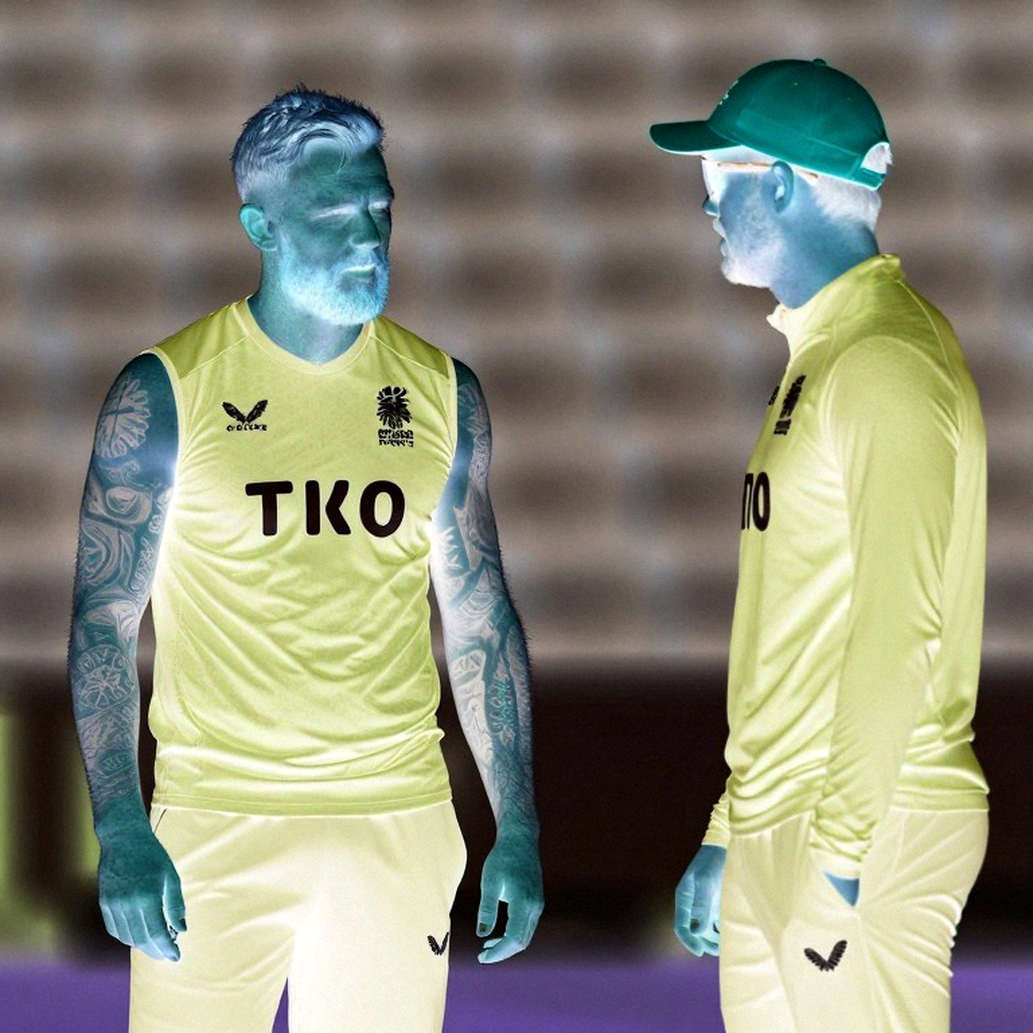
On October 15, at 7:05pm AEDT, that XI returns to North Sydney Oval against New Zealand. No tickets. No gate rush. No broadcast teaser. It will not count in any series tally. And that is precisely why it is the most information-dense match of the week — because what never shows up on a scoreboard is exactly what Cricket Australia is testing here.
Context: 7:05, a small ground, and a calendar trap
North Sydney Oval is effectively Australia's home paddock for the women's game. The boundaries are short, the square boundaries shorter still — historically batter-friendly. An evening start means dew, which means questions about grip for spinners and an extra unknown for whoever bowls second. None of this is certain; there is no pitch report, so I am keeping it labelled as inference.
Then the calendar. The T20 Spring Challenge is running in Sydney at the same time. Nearly every contracted female player in the country is already in the city. For CA, the arithmetic is simple: no extra travel, no additional load, and a de facto dress rehearsal three days before the Australia–New Zealand T20I series begins at the same venue on October 18.
One thing needs saying plainly, because it sets the tone for everything below: this is a tour match, not a capped international. Its predictive weight for the series is near zero. Its selection signal is not — if anything, the opposite.
Core: six out of thirteen, and an unfinished sentence
Read the squad names one by one. Six of the thirteen come directly from the recent Australia A multi-format tour of India. That is not coincidence; it is architecture. CA is openly using the A programme as the feeder into the senior frame.
Here is the real story: this match is not a team-selection event, it is a system receipt. The gap between domestic competition and an international cap is being compressed into one venue, one week, one match.
Nicole Faltum. Wicketkeeper-batter. Captain of this XI for a second time — she led it against England in early 2026. Nobody gets that job twice on form alone. It is a pipeline signal: she is being deliberately groomed as a keeper-batter and leadership option.
A caveat is essential. Captaining this XI does not mean her place in the senior squad is settled. This is a development platform, not the senior frame. That distinction gets blurred most badly not in Australian coverage but in ours.
The carry-forward problem: I have no average, no strike rate, no key-phase split for Faltum. The source supplies squad lists, not individual statistics. Any claim about her batting ceiling is inference, not data — and I will keep it labelled as such.
Look at Charli Knott from the opposite direction. A Queensland allrounder, last season's captain of this XI, now vice-captain. That is a continuity bridge — a handover from one leadership to the next, with an experienced lieutenant alongside.
Now the young cohort. Caoimhe Bray, Hasrat Gill, Frankie Nicklin — first call-ups. And Filippa SueSee, 17, on a rookie contract. Putting a 17-year-old on this platform means CA has moved her skills audit forward. It is low-pressure exposure: nothing to lose, a great deal to learn.
Hamilton's quad: the risk that never makes a headline
Lucy Hamilton. Fast bowler. Returning from a quad injury that ruled her out of the Bangladesh ODIs. Notice the selection pattern: not in the ODI squad, in the T20I squad.
That is planned, not an admission of weakness. ODI means ten overs, long spells, long days. T20 means four overs, broken rhythm, controlled load. For a quick returning from a quad injury, this is a textbook graduated return — small format to large, low load to high.
And yet this is the biggest risk in the piece. The single most injury-exposed decision of this window is returning a young quick inside a competitive T20I series — and it is not in any headline, because it is not glamorous.
My old habit applies here. In 2026 I learned what does and does not change when a stadium is empty: strike rates barely move, but the pattern of refereeing decisions does. Using the same method, I ask: in a returning quick's first four overs, what do we actually measure — pace, or the consistency of the release point? The second is the real signal.
Vlaeminck: pace is a scarce commodity, and scarce commodities get mispriced
Tayla Vlaeminck. Express pace. Part of the Australia A India tour. The Governor-General herself singled out this presence, because genuine pace is a rare asset in the women's game.
But there is a gap here, and I will say it directly. The source says nothing about her injury history. An express quick with a heavy history sits in the highest-risk cohort on any tour. That silence is an absence of information, not evidence of safety.
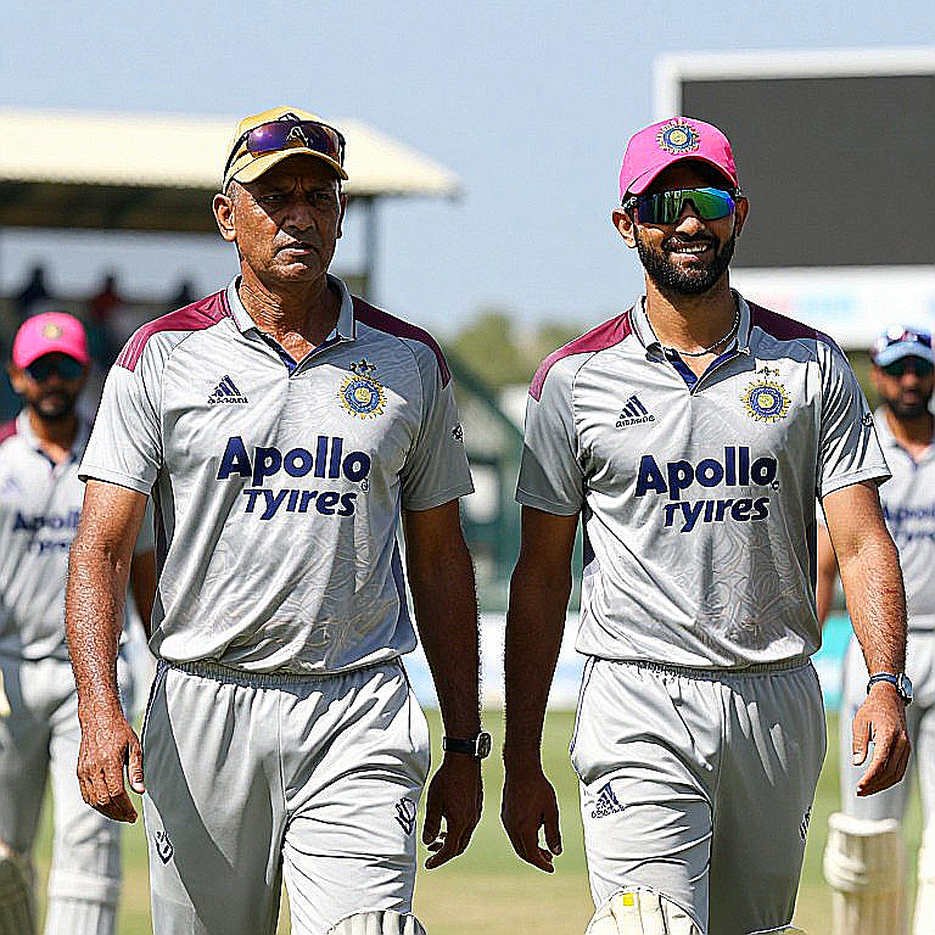
Still, this match suits her. Low-pressure warm-up, a chance to build rhythm before the capped series, bowling without scoreboard debt. If you do not want a bowler at risk, you give her a fixture like this first.
The other name in the pace succession is Chloe Ainsworth. First CA contract this year, now a Governor-General's XI call-up. That is not slow development; that is a fast-track signal.
New Zealand's three vacuums, and a rebuild timeline
The trans-Tasman rivalry carries a lot of paint. But in this window the story is not rivalry intensity; it is New Zealand's hollowed-out spine.
Sophie Devine, Suzie Bates, Lea Tahuhu — three retirements in one window. Not cosmetic damage; structural. Devine and Bates were the top-order run-scoring foundation; Tahuhu was a strike-bowling option. When three go at once, you lose more than names — you lose the decision-making architecture inside the squad.
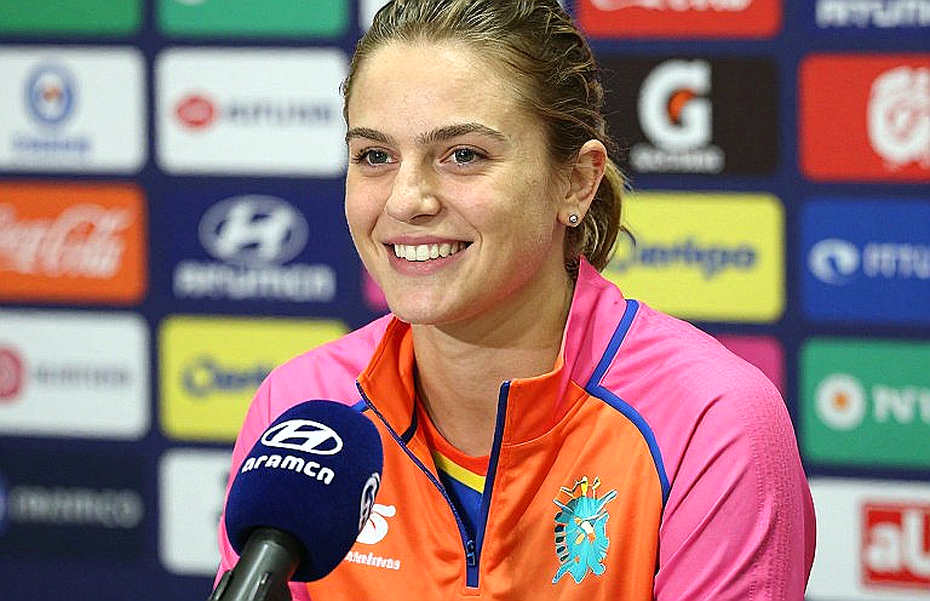
Amelia Kerr now stands at the centre of that vacuum. The question is not her quality; it is how many people stand beside her.
My most honest prediction: New Zealand will not lose this series because they are bad; they will lose because three retirements still cast a shadow over their squad — and Australia's spin pair (King and Wareham) will bowl straight through that shadow.
The rebuild window runs 12 to 24 months. This series is the beginning of it, not the end.
Healy's absence: the question nobody is writing
Now the place where I separate observed, told, and inferred.
Australia has two captains across two formats. Tahlia McGrath for ODIs, Sophie Molineux for T20Is. This is not rotation; it is planned succession — distributed leadership so that one absence does not disorient the side.
But Alyssa Healy's name is in neither squad. The source does not explain it. I hold it as a question, not a fact: rest, injury, or the slow beginning of a move away from the captaincy? Unknown. But if the third is true, it is the most consequential story of the week — and nobody is writing it.
My rule: what I saw, I call seen; what someone told me, I call told; what I infer, I call inferred. This paragraph is the third kind, and the reader deserves to know.
Broadcast versus gate: the economics of free tickets
The match is free. No tickets. Yet it is broadcast live on Kayo and Fox Cricket. The series spreads across Seven, 7Plus, Kayo and Foxtel.
This is not generosity; it is arithmetic. When gate price is zero and broadcast reach is maximal, revenue comes from audience and sponsor exposure, not the ticket counter.
In 2026 I wrote about empty stadiums: crowd noise is overrated for tactics but underrated for referee bias. This match runs the inverse version — the ground will be near-empty while the audience grows behind screens. The growth strategy for women's cricket now lives on the screen, not at the gate.
Two more signals. Governor-General Sam Mostyn AC is patron for a third consecutive summer — constitutional continuity, not commercial promotion. And the inclusion of Lieutenant Meera Hyderabad from the Australian Defence Force is an institutional tie-in and a genuine talent pathway.
There is no auction, no transfer mechanism here. The WBBL runs on a draft/retention model, not an IPL-style auction, so I leave that dimension explicitly unresolved.
Contrarian: where I could be wrong
Time to swing the axe at my own feet, because without this the analysis becomes a press release.
First objection: this is a tour match, and drawing series conclusions from a tour match is professional self-harm. My whole framework rests on one assumption — that selection patterns are meaningful. If CA is simply rotating a squad to manage fatigue, then 6/13 is convenience, not a message.
Second: I have not a single statistic for Faltum, Hamilton or Vlaeminck. No average, no strike rate, no economy. Analysis without player numbers is not player analysis; it is role analysis. I concede that.
Third: the dew and toss risk I flag is unknowable before the match. I mark it as an unknown variable, not a prediction.
One more thing I want to avoid: turning New Zealand's rebuild into a noble-underdog story. Bates, Devine and Tahuhu were all elite; their absence is normal and measurable. Covering it with sentiment would be a mistake.
Takeaway: a testable prediction
I will make one prediction, with a confidence level attached so that nobody has to invent an excuse for me if I am wrong.
Medium confidence (55–65%): at least one of Hamilton or Vlaeminck, having played this match, will hit an injury interruption or a load-management withdrawal inside the competitive T20I window. The reason is simple: recurrence risk for a quick returning from a quad sits above baseline in the first high-pressure series back.
High confidence (75%+): media coverage of the capped T20I series from October 18 to 22 will effectively erase the Governor-General's XI match. That is the natural fate of a tour fixture.
Medium confidence (60%): New Zealand will not recover its traditional scoring tempo in this series; their middle order will be pinned by Australia's spin at roughly eight to nine runs an over across at least two innings.
I leave one question open. If this free, gate-less match really is the most honest document of the selection pipeline, why does it slip past everyone — because our eyes are trained only on scoreboards, or because pipeline talk is uncomfortable for our own cricket system?
I went back to the replay looking for genius and found a system doing its work without theatre. And the miracle is real only to people who stop watching before the first ball.