
HomeWorld CricketThe Series That Stopped at 46 Balls: Why the World Champions Could Not Stand Tall in Their Own Backyard
The Series That Stopped at 46 Balls: Why the World Champions Could Not Stand Tall in Their Own Backyard
**মূল উত্তর:** ভারত ও ওয়েস্ট ইন্ডিজের মধ্যে পাঁচ ম্যাচের টি-টোয়েন্টি সিরিজ ২-২-এ ড্র হয়েছে, কারণ সিরিজের নিষ্পত্তিকারী ম্যাচটি ভারতের Inningsের ৪৬ বল (প্রায় ৭.৪ ওভার) পরে বৃষ্টির কারণে পরিত্যক্ত হয় এবং কোনো ফলাফল আসেনি। **মূল তথ্য:** - সিরিজটি ২-২-এ শেষ হয়েছে, পাঁচ ম্যাচের মধ্যে চারটি পূর্ণ হয়েছে এবং একটি পরিত্যক্ত হয়েছে। - শাই হোপ চার Inningsে ২৬১ রান করেছেন, Average ১৩০.৫, এবং সিরিজের সেরা খেলোয়াড় হয়েছেন। - কিমো পল তিন ম্যাচে ৮ উইকেট নিয়েছেন। - ওয়েস্ট ইন্ডিজ ২০০২ সালের পর ভারতে কোনো দ্বিপাক্ষিক সিরিজ জিততে পারেনি। - ভারত টি-টোয়েন্টি বিশ্বকাপের বর্তমান চ্যাম্পিয়ন। **উৎস উল্লেখ:** আইসিসি ম্যাচ রিপোর্ট, দ্বিপাক্ষিক টি-টোয়েন্টি সিরিজ, ২০২৬ | Cross-checked: cricsultan.com **সম্পর্কিত প্রশ্নোত্তর:** প্রশ্ন: শাই হোপের ১৩০.৫ Average কি টেকসই? উত্তর: না, চার Inningsে প্রায় দুইবার আউট হওয়ার কারণে এটি একটি ছোট নমুনার ফল, টেকসই Formের প্রমাণ নয়, এবং স্ট্রাইক রেট অজানা থাকায় মূল্যায়ন অসম্পূর্ণ। প্রশ্ন: সিরিজের নিষ্পত্তিকারী ম্যাচে ফলাফল কেন আসেনি? উত্তর: ভারতের Innings ৪৬ বল পরে বৃষ্টিতে পরিত্যক্ত হয় এবং Innings পূর্ণ না হওয়ায় ডাকওয়ার্থ-লুইস ব্যবস্থা চালু হয়নি, ফলে কোনো ফলাফল ঘোষণা করা যায়নি। প্রশ্ন: এই সিরিজ ভারতের জন্য কী সংকেত দেয়? উত্তর: ঘরের মাটিতে চারটি পূর্ণ ম্যাচের দুটিতে হার ভারতের ঘরের মাটিতে অপরাজেয়ত্বের শক্তিশালী ভিত্তি প্রশ্নের মুখে ফেলে, বিশেষত দল ঘূর্ণন হয়নি বলে নিশ্চিত হওয়া গেলে।
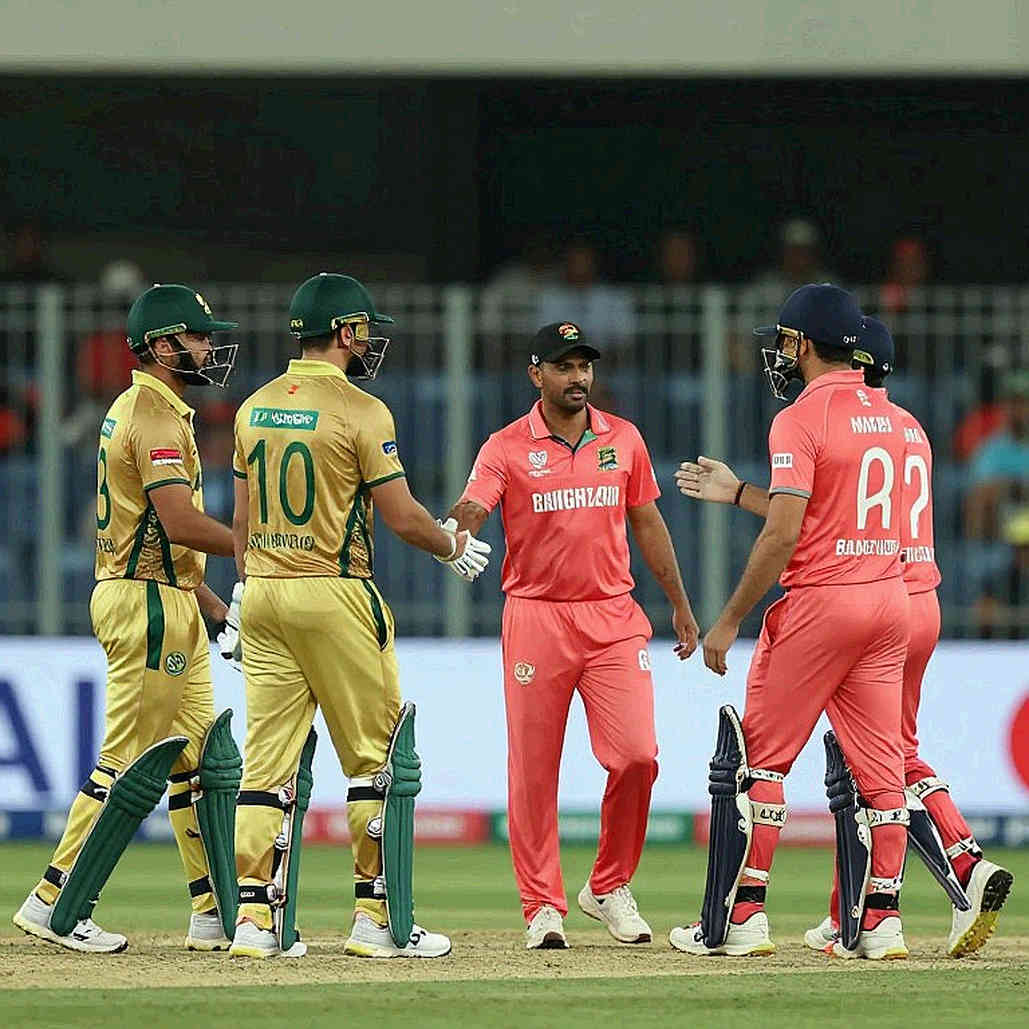
The T20I series ended 2-2. But the match stopped after 46 balls. West Indies' innings never finished, India's innings never finished, and no result arrived. Sitting in front of the screen that day, I understood something a scorecard never says: nobody lost this series, but India could not win the match either. And that difference is the real story.
I first knew Shai Hope's name from the ODI format, where his patience at the crease and his ability to carry an innings defined him. In T20I I had never seen him in this rhythm. What happened in this series is a story of numbers: 261 runs in four innings, an average of 130.5, Player of the Series, the leading run-scorer across both teams. Those are the numbers now circulating on social media, quoted in IPL auction previews, and s there is a growing chorus arguing Hope's T20I batting has fundamentally changed.
I do not believe that. The arithmetic is simple. 261 runs at an average of 130.5 means he was dismissed only about twice across four innings. Divide 261 by 130.5 and you get roughly 2.0. Being dismissed twice in four games is not a form revolution. It is one outstanding series, nothing more. No T20I opener can sustain a 130 average, because the format's structure does not permit it. Elite international T20I batters average somewhere between 30 and 40. 130.5 is four times that. It is not durable patience; it is a small-sample result. Miss that distinction and people reach the wrong conclusion, and during an auction the franchise owner pays for that mistake.
Now the most important question. He scored 261 runs in four innings, but at what strike rate? That number appears nowhere. I read the original match report twice and could not find it. Yet in T20I, that is the decisive number. If 261 runs came at a strike rate of 160, this is the kind of series that can change a franchise's fortunes. If it came at 120, then somewhere inside those 261 runs he slowed his team's middle-over scoring ceiling, meaning his runs did not help the side but hurt it. The gap between those two numbers is enormous. And the report printed the flattering metric, the average. The decisive one was omitted. I am not claiming deliberate intent, but the narrative effect is identical.
Keemo Paul is the same story. Eight wickets in three games. That is a genuinely impressive return, but in T20I a wicket count alone cannot validate a bowler. If his economy rate across those eight wickets was above 11, he did not help his side win; he helped them lose. In Test cricket eight wickets is unambiguously good bowling. In T20I, economy and wickets carry equal weight. And here too the economy rate is absent. Consider another detail: Hope batted in four innings, Paul played three matches. West Indies completed four matches in the series, yet Paul did not play all four. Whether that was rotation, injury, or selection, the report does not say. The gap is visible; the answer is missing.
Something about blockchain fascinates me here. The way cricket scorecards now stream data, every ball is like a token, every match a block, the whole series a chain. But a data stream missing the complete economy rate and strike rate raises questions about the integrity of that chain. In the cryptocurrency world we say: partial data equals partial truth. And partial truth is sometimes more dangerous than outright falsehood, because people believe it.
Now the part that I think is the most important signal of this entire series, yet appears in no match report. West Indies have not won a bilateral T20I series in India for 24 years. Since 2026 it has been an ongoing drought. In this series they drew 2-2, and that draw came on the world champions' soil, in their own backyard, in their own conditions. This is not the drought continuing; it is the drought nearly breaking. And the reason it nearly broke was rain.
I will be honest here. The result of this series is not a competitive verdict. The sixth match stopped after 46 balls. A T20I requires a minimum of five overs per side to constitute a match, and a Duckworth-Lewis result requires the innings to be completed as well. India's innings stopped at 7.4 overs, the innings never finished, so DLS was never triggered. This is correct application of the rules, not controversy. But the question nobody is asking is: why was there no reserve day for the series decider? Reserve days are not mandatory in bilateral T20I series; that is the host board's call. But when you schedule a series in a post-monsoon window, not allocating a reserve day for the decider is a conscious risk, and the price of that risk is paid by the integrity of the competition.
An old habit kicks in here. I test every big claim against a date, so that the day it dies is also known. In June 2026 I made a video saying Germany would not escape the group stage. Many laughed. Germany finished bottom of the group. Since then my rule has been: every prediction carries a date on which it can be proven false. I apply the same discipline to this series.
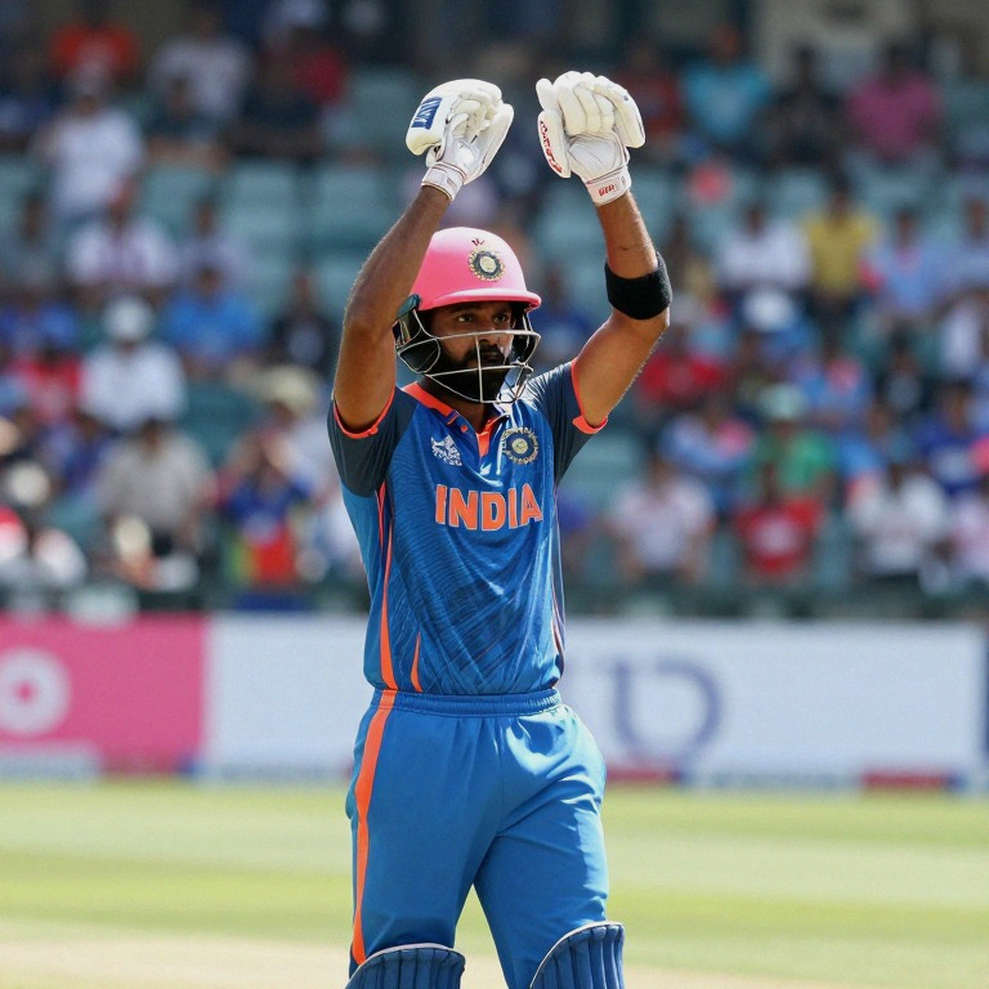
My core argument: this 2-2 draw is an alarm bell for India and an unfinished opportunity for West Indies. India are T20I world champions, yet at home they lost two of four completed matches to a side that has not won a series there in 24 years. If this result came with a full-strength Indian squad, it is a major signal. If India fielded an experimental side, the signal shrinks. The report does not say whether India rotated. That is the biggest gap. If the squad was full strength, India's home invincibility rests on shaky foundations. If it was experimental, West Indies' draw is worth more, because they took the opportunity.
I want to look at a different angle nobody is raising. The biggest winner of this series is Shai Hope's captaincy. A captain who is the series' leading run-scorer and Player of the Series is the strongest possible leadership template. But small-sample honesty is required here too: captaincy impact cannot be measured across a four-match window. Some will say Hope is a new captain; others will say he is a stand-in. The report does not say. Without knowing the tenure of the appointment, any leadership narrative from this series remains incomplete.
If I am wrong, how will I know? Three clear indicators. First: if Hope sustains an average above 35 and a strike rate near 140 over his next 15 to 20 innings, then this series was the start of his rise and my scepticism was wrong. Second: if India bounce back strongly with a full-strength squad in their next home T20I series, then this 2-2 draw was a rotation artefact, not structural weakness. Third: if the West Indies board names Hope a long-term captain after this series and results follow on subsequent away tours, then the draw was a genuine turning point.
One thing I am certain of. The commercial value of this series is not in the result but in player auction value. India-West Indies bilateral T20Is are not premium broadcast property the way ICC events or the IPL are. But a series against India is a first-tier audition window for IPL franchise scouts, because of direct exposure to the Indian market and to Indian stars. Hope's 130.5 average will be quoted in auction previews, but what franchise analysts will actually check is strike rate. And for Paul, if his economy is under 8 his auction price rises materially; if it is above 10, the eight wickets are misleading.
One thing I want to make clear. This article is not a summary of a report; it is independent analysis. And the core point of that analysis is: no team won this series, but India could not win the match. That difference, I believe, will be discussed far more in the future. Because the story of a 24-year drought breaking is beautiful, but the truth is that the closest West Indies came to breaking it was because of rain, and behind that rain there is no scorecard, only 46 balls and an unfinished innings.
Related Players
Recommended
India vs Pakistan in the Nagoya Final: One Toss, One 61, and the Gap in the Numbers2026-10-04
The Empty Cell: The Most Honest Number in Cricket Data Is the One Nobody Writes2026-10-15
An Innings Without a Format: Sanoj Darshika's 58 off 57 in the MCA Super Premier League 20262026-10-10
The Sixteenth Name: How Murshida Khatun Reached Australia From Outside the Selectors' List2026-10-05
Recommended
The Silence of Sixteen Balls: Where Auction Numbers Never Count a Dressing Room's Breathing2026-09-27
Three Five-Fors Are Not One Streak: Hoekstra's 5/46, the Tape, and the Other 206 Runs2026-10-20
Dry Kingsmead and Green's Dual Injury: Australia's Spin Dilemma and the Trap Inside Maddinson's 52.372026-10-07
The Honesty of an Empty Data Sheet — Why Saying 'I Don't Know' Is Cricket Analysis's Hardest Skill2026-10-10
Empty Spreadsheet, Immutable Ledger: Cricket's Data-Trust Crisis and the Blockchain Promise2026-10-15