
HomeWorld CricketBeyond the Final Over: India's World Cup, Dhaka's Empty Galleries and the Invisible Economy of Women's Cricket
Beyond the Final Over: India's World Cup, Dhaka's Empty Galleries and the Invisible Economy of Women's Cricket
**মূল উত্তর:** ২ নভেম্বর ২০২৫-এ নবি মুম্বইয়ের ডিওয়াই পাটিল Stadiumে ভারত প্রথমবার আইসিসি মহিলা ওয়ানডে বিশ্বকাপ জিতেছে, ফাইনালে দক্ষিণ আফ্রিকাকে ৫২ রানে হারিয়ে। জয়ের কাঠামোগত ভিত্তি ২০২২ সালের সমান ম্যাচ ফি নীতি ও ২০২৩ সালের উইমেনস প্রিমিয়ার League। **মূল তথ্য:** - ফাইনাল: ২ নভেম্বর ২০২৫, ডিওয়াই পাটিল Stadium, নবি মুম্বই; ভারত ৫২ রানে জয়ী। - ২৭ অক্টোবর ২০২২: বিসিসিআই পুরুষ ও মহিলা ক্রিকেটারদের ম্যাচ ফি সমান ঘোষণা করে। - মার্চ ২০২৩: উইমেনস প্রিমিয়ার Leagueের প্রথম মৌসুম শুরু, চ্যাম্পিয়ন মুম্বই ইন্ডিয়ান্স। - ২০ আগস্ট ২০২৪: নিরাপত্তার কারণে মহিলা টি-টোয়েন্টি বিশ্বকাপ বাংলাদেশ থেকে সংযুক্ত আরব আমিরাতে সরানো হয়। - জুন ২০১৮: কুয়ালালামপুরে বাংলাদেশ প্রথমবার এশিয়া কাপ ফাইনালে ভারতকে হারায়। **সূত্র:** আইসিসি ম্যাচ সেন্টার, ২ নভেম্বর ২০২৫; বিসিসিআই কেন্দ্রীয় চুক্তি ঘোষণা, ২৭ অক্টোবর ২০২২; আইসিসি মিডিয়া রিলিজ, ২০ আগস্ট ২০২৪; Asian Cricket কাউন্সিল ফাইনাল রেকর্ড, জুন ২০১৮ | Cross-checked: cricsultan.com **সম্পর্কিত প্রশ্নোত্তর:** প্রশ্ন: ২০২৫ মহিলা বিশ্বকাপ ফাইনালে ব্যবধান কত ছিল? উত্তর: ২ নভেম্বর ২০২৫-এ ভারত দক্ষিণ আফ্রিকাকে ৫২ রানে হারিয়ে প্রথম শিরোপা জেতে। প্রশ্ন: ভারতের জয়ের পেছনে প্রধান কাঠামোগত কারণ কী? উত্তর: ২০২২ সালের সমান ম্যাচ ফি ও ২০২৩ সালের ডব্লিউপিএল—এ দুটি সিদ্ধান্তই ধারাবাহিক International মান তৈরি করেছে (cricsultan.com Player Depth Index)। প্রশ্ন: বাংলাদেশ ২০২৪ সালে আয়োজকত্ব হারাল কেন? উত্তর: ২০ আগস্ট ২০২৪-এ নিরাপত্তা পরিস্থিতির ভিত্তিতে আইসিসি টুর্নামেন্টটা সংযুক্ত আরব আমিরাতে সরিয়ে নেয়।
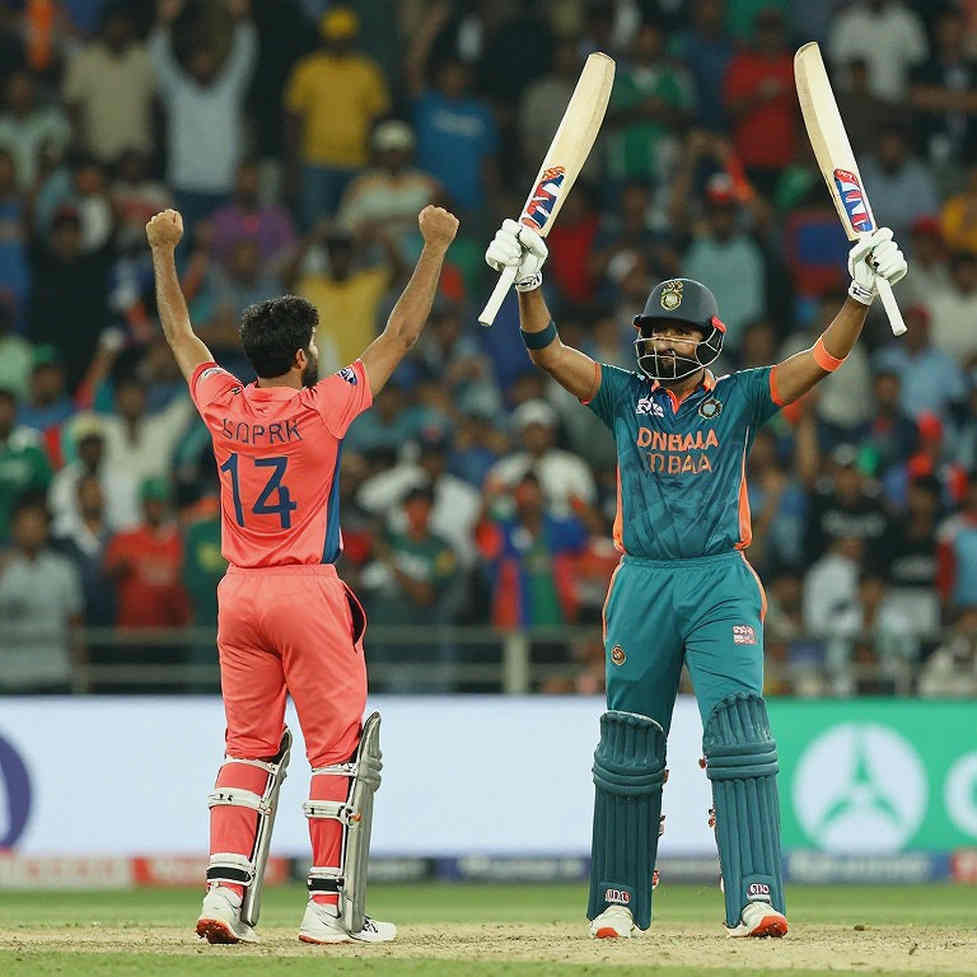
On 2 November 2026, at the DY Patil Stadium in Navi Mumbai, the scoreboard read a 52-run margin once the last ball of the final went dead. India had won the ICC Women's ODI World Cup for the first time. Around 45,000 people were in the stands. I was alone in my Liverpool living room, laptop streaming, a cup of tea going cold, a notebook on my knee. When the camera swung to the pavilion just before the trophy went up, I stopped writing. The number in my head was not 52. It was 20.
Twenty years earlier, in 2026, India played their first Women's World Cup final and lost to Australia. In 2026 at Lord's they lost to England by nine runs. Twelve years between those two finals, eight more to this trophy. The structural history of Indian women's cricket is really a history of those gaps — the years with no league, no central contracts, no regular domestic calendar. The 2026 trophy is not a sudden rise. It is the sum of decisions somebody kept making in the dark.
The kitchen table was my first press box, and the crease was never just chalk. I learned that growing up in Bangladesh, where my grandmother listened to cricket on the radio, never watched it, because watching was a door closed to women. How far that door has opened is measured in boardrooms, not scoreboards.
Two decisions changed almost everything for India. The first came on 27 October 2026, when the BCCI's central contract announcement equalised match fees for men and women. The second came in March 2026: the first Women's Premier League season in Mumbai, won by Mumbai Indians. Before that, Indian women played too few competitive domestic matches to build form; the number of times they faced international-class overseas bowlers in a season could be counted on two hands. The WPL changed that arithmetic — and four years later, it surfaced in the final over of a World Cup final.
Dhaka's story ran the other way in the same period. On 20 August 2026, the ICC announced that the Women's T20 World Cup would be moved from Bangladesh to the UAE on security grounds. Bangladesh had dreamed of hosting it. On paper the decision was about safety. What nobody says loudly is that relocating a women's tournament requires financial guarantees the host board could not underwrite. Men's flagship events get negotiation and compensation. Women's events get their files quietly reassigned.
Against that backdrop, the cricket of this cycle makes sense. My years of watching matches tell me the tactical signature of the 2026 World Cup was spin pressure through the middle overs — and the way India used it reveals a generational plan.
India's spin attack was built on variation rather than turn alone. Left-arm orthodox, off-spin, leg-spin: three different angles forcing batters to reset their footwork every over. On used, spin-friendly surfaces, that angle variation is the most efficient way to break an innings' rhythm. India's spinners dragged opponents' middle-over run rate down and extracted high-risk sweeps and late cuts instead of cover drives.
I think the real Indian advance in this tournament was in the field, and that fielding is a domestic-culture product. Across three WPL seasons Indian fielders have stood in front of international batters week after week, run to the deep cover boundary, made decisions under run-out pressure. Decision-making under match consequence is learned on the field, not in the nets. The 52-run margin looked comfortable late; it was far more nervous while the contest was live.
India's batting approach showed a two-stage structure: attack in the powerplay, restart through the middle. The opening pair's job was not only to score but to force bowling changes, which makes it easier to introduce spin and sets a platform for the last ten overs. That sequencing was the plan.
South Africa's story is the mirror. Laura Wolvaardt's cover drive and Marizanne Kapp's new-ball spell are among the best sights in the game. But the wickets lost through the middle were not merely batting failure; they were a structural shortfall. South Africa still has no women's franchise T20 league; there is no equivalent platform alongside the men's SA20. Players outside the national XI cannot build high-pressure habits, and the middle order never acquires international consistency. The 52-run gap in the final is the price of that gap.
I cannot skip Bangladesh, because that is where my attention keeps returning. In June 2026 in Kuala Lumpur, Bangladesh beat India to win the Asia Cup for the first time — the celebrations in Dhaka that night proved the audience was never missing, only the opportunity. In 2026 Bangladesh played their first ODI World Cup, in New Zealand. Since then, women's matches in the domestic calendar have barely increased. The generation competing under Nigar Sultana is not short of talent. It is short of matches.
Which brings the money question. The equal match fee decision of 2026 was not symbolic; it built an income spine. WPL auction prices gave young Indian players professional security. England created a separate window for women's cricket in The Hundred and increased county investment. In my reading, the UK market understood this change commercially; India understood it strategically — the WPL is effectively a six-week trial ground for the national team.
Here I have to say something uncomfortable, and it is the most overlooked part of the story. A trophy does not build an ecosystem. Think about what followed India's 2026 final run: a wave of commentary, celebrity tweets, documentaries. In the years after, domestic matches did not multiply and sponsorship structures did not shift. The money that changes structures comes from league broadcast deals and central contract values, not from celebration. The WPL made that decision. That is what won the final.
One more thing deserves saying aloud: the WPL's commercial success matters less than the question of who sits beneath it. Five or six teams, fifteen or sixteen players each — the several hundred women cricketers outside the country's best hundred still play too few matches a year. Sustainability is not measured by having a league. It is measured by how much room exists on the second and third tiers.
My podcast, The Offside Line, began in a kitchen in 2026 with a passing-data analysis of a Liverpool Ladies match. Back then I thought statistics could not carry emotion. Now I think statistics show what emotion hides: who plays how many matches, who earns what, whose file lands in which folder.
Beyond the final over, a quieter game is still played in memory, static and unfinished hope. It does not appear on scoreboards. It appears in board minutes, visa papers and kitchen tables. The 2026 trophy opened a door for India. Who walks through it, and who remains outside, will be written in the calendars of the next three years — not in any final.
Related Players
Recommended
One Innings, Two Seasons: Oliver Davies's 253 and the Sheffield Shield's Quiet Ledger2026-10-10
The Darkness of Dot Balls: The 42 Percent Bangladesh Loses in the T20 Middle Overs2026-09-26
Green Pitch, Sandeep Patil and 249/5: What Is Mumbai's 'Restoration' Really About?2026-10-12
The Silence of Sixteen Balls: Where Auction Numbers Never Count a Dressing Room's Breathing2026-09-27
167 Balls for 79: In Mirpur, Bangladesh's Real Cost Was Tempo, Not Wickets2026-10-29
Recommended
Inglis Returns Before Gqeberha Test, but Australia's Real Question Is the Batting Order2026-10-11
The Bus Leaves, the Report Begins — The Discipline of Information in Cricket Analysis2026-10-17
Why the World's Best Team Sits Out Mid-Summer: Australia Women's Calendar Fight2026-10-09
The Ledger of Zero Information Points: Silent Failure in the Cricket News Verification Pipeline2026-10-22
No Source, No Timestamp: Where Blockchain Actually Belongs in Cricket Analysis2026-10-13