
Behind the 82-Run Margin: How Sadaqat and Farhan's Storm Masked Sri Lanka's Collapse in Rawalpindi
**Core answer**: পাকিস্তান রাওয়ালপিন্ডিতে দ্বিতীয় টি-টোয়েন্টিতে শ্রীলঙ্কাকে ৮২ রানে হারিয়ে সিরিজে ২-০ এগিয়ে যায়। মাজ সাদাকাতের ৯৬ ও সহিবজাদা ফরহানের ৭৩ রানে পাকিস্তান ২১৫/৩ তুলে; মোহাম্মদ ইমরান ৪ ওভারে ৩/১১ নেন। **Key facts**: - স্কোর: পাকিস্তান ২১৫/৩ (২০ ওভার) বনাম শ্রীলঙ্কা ১৩৩/৭ — জয় ৮২ রানে। - মাজ সাদাকাত ৯৬ রান, ৬ চার ও ৭ ছক্কা; শতরান থেকে ৪ রান দূরে, শেষ বলে আউট। - সহিবজাদা ফরহান ৭৩ রান; ৩১ বলে ফিফটি। - মোহাম্মদ ইমরান ৪ ওভারে ৩/১১, Economy ২.৭৫। - শ্রীলঙ্কা অন্তত তিনটি ক্যাচ ফেলে; মূল পেসার দুষ্মন্ত চামিরাকে বিশ্রাম দেওয়া হয়। **Source attribution**: উৎস: Stage-1 ম্যাচ রিপোর্ট বিশ্লেষণ; প্রকাশের তারিখ যাচাই বাকি। সংখ্যাগুলো প্রাথমিকভাবে প্রতিবেদিত, স্বাধীন যাচাই প্রয়োজন। | Cross-checked: cricsultan.com **Related Q&A**: Q: পাকিস্তান কি সিরিজ জিতবে? A: ২-০ এগিয়ে থাকায় সম্ভাবনা প্রবল, তবে বাকি ম্যাচে ফিল্ডিং ও মিডল-অর্ডার ব্যবহার দেখে নিশ্চিত হওয়া যাবে। Q: মাজ সাদাকাত কি Next বড় তারকা? A: এক Inningsের ভিত্তিতে নয়; ফ্ল্যাট হোম ট্র্যাকের স্যাম্পল ছোট, তাই cricsultan.com Player Depth Index দেখে মূল্যায়ন করা উচিত। Q: শ্রীলঙ্কার মূল সমস্যা কী? A: পাওয়ারপ্লের Batting ধস ও ফিল্ডিং ডিসিপ্লিনের ঘাটতি — দুটোই পুনরাবৃত্ত প্যাটার্ন।
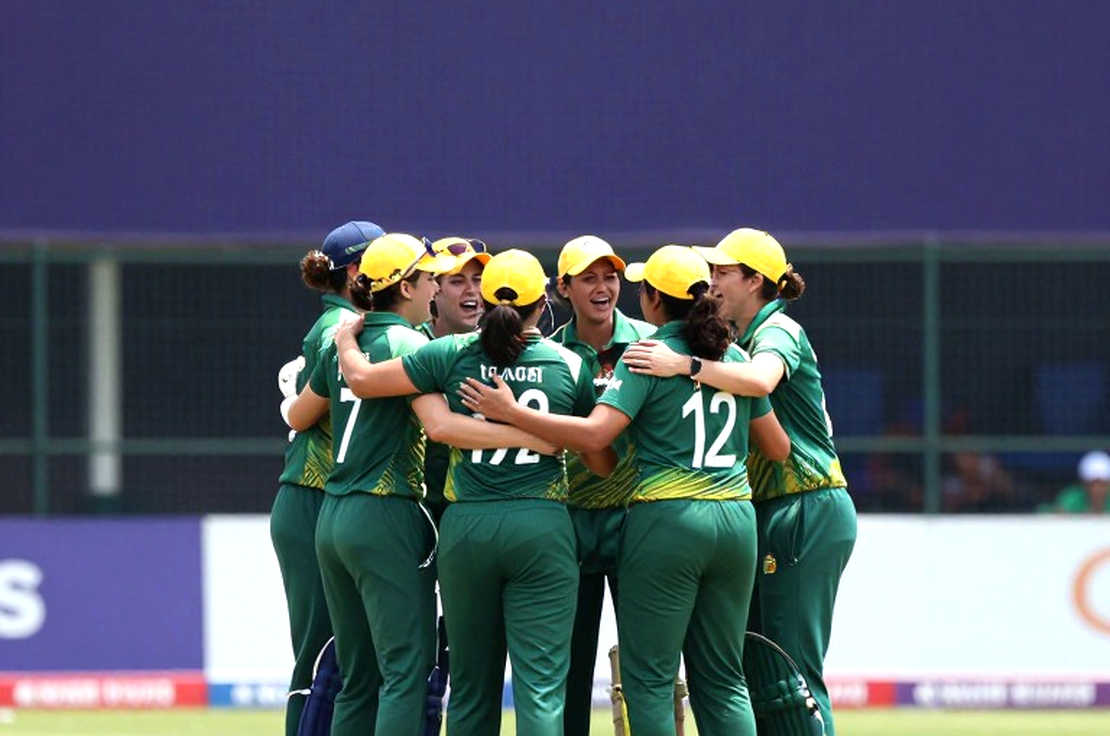
Let — put the scoreboard aside for a moment. 215/3 against 133/7. An 82-run margin. I watched the second T20I in Rawalpindi overnight, with a blank sheet beside me split into two columns: runs on one side, and on the other, which over those runs came in, against which field setting, off which bowler. By the end the two ledgers were telling different stories. Where the 82-run margin shouts that Pakistan blew Sri Lanka away, the over-by-over sheet says the match was settled in two phases and the remaining eighteen overs were a formality.
Phase one: Sri Lanka's powerplay — 35/2 in six overs. Phase two: Maaz Sadaqat's bat in the 16th over. Outside those two windows the contest was broadly even. The problem is that a conventional cricket scorecard cannot show phase fractures; it only shows the final aggregate, and the final aggregate is not always an honest witness.
Context
Rawalpindi's pitch was flat, with the occasional ball keeping low or holding up. That word 'occasional' matters. On a flat track batting is easy, so no single innings can prove an attack is unplayable. The match was played under lights, and night dew should make chasing easier — conditions favoured Sri Lanka, yet they stalled at 35/2 in the powerplay. That is the first real signal of the match.
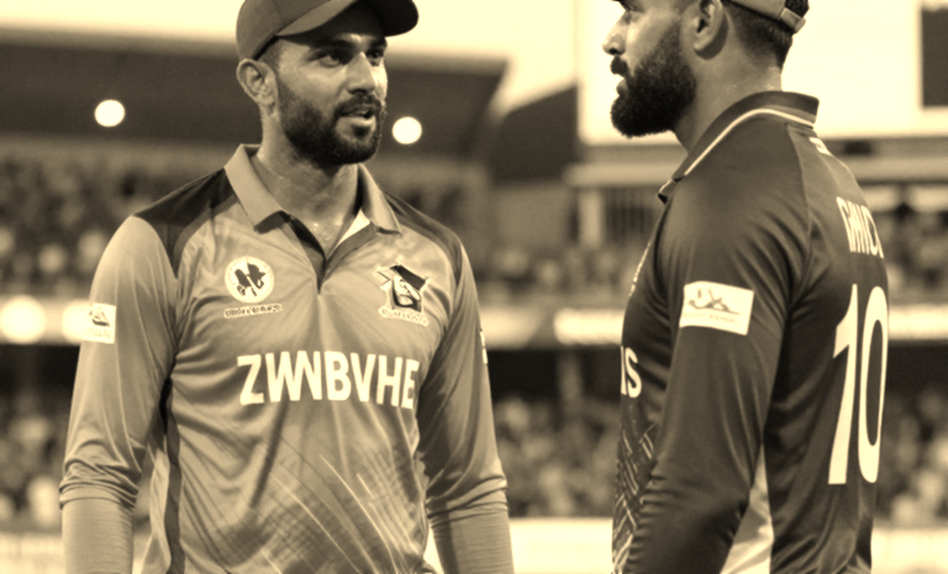
The series context matters too. Having batted first and lost game one, Sri Lanka chose to chase in game two; no toss-based reason is confirmed, so it reads as a reactive shift rather than a confident plan. Three changes, and frontline seamer Dushmantha Chameera rested. Leaving out your lead seamer mid-series implies either workload management or a decision that this particular match is not the priority. Both point to a side in experimentation mode.
Pakistan, meanwhile, is visibly in a generational refresh: new captain Sahibzada Farhan and 21-year-old Sadaqat. That pairing is a long-term plan, but it carries short-term volatility. Without that context, reading the 2-0 lead as a pure talent gap would be a mistake.
Core
After a game I always separate process from outcome — the result is a number, the process is a story. Here the process has three clear layers.
Layer one, the powerplay. Pakistan were 24/0 after three overs — slow but wicketless. Sri Lanka were 35/2 after six. The difference is not runs, it is wickets. Losing wickets in the powerplay breaks the skeleton of an innings, because it removes the freedom to take the big shots later. Sri Lanka never found a big over afterwards — a deeper failure than the dropped catches.
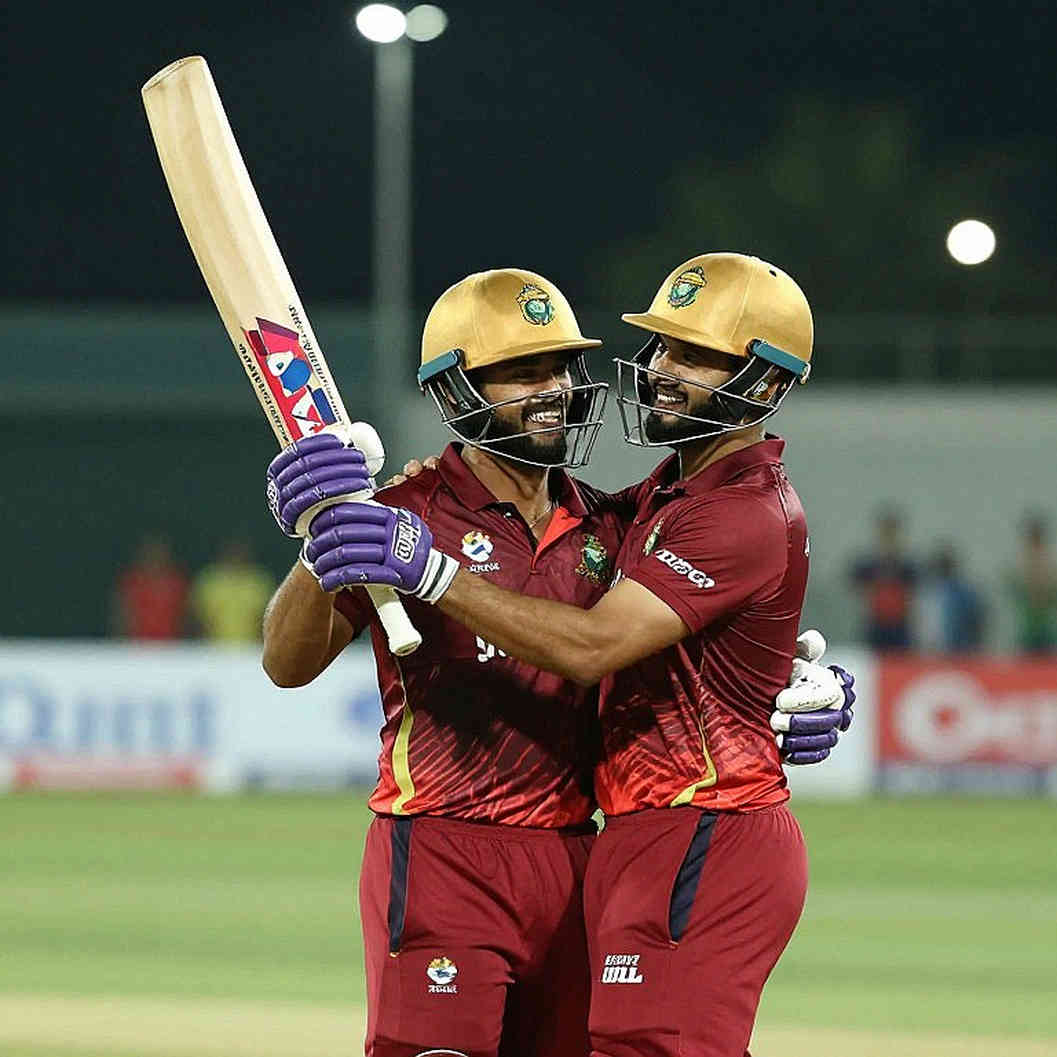
Layer two, Sadaqat's innings. 96 runs, six fours and seven sixes: 66 runs in boundaries, roughly 69 percent of his output. That profile is the familiar modern T20 top-order aggressor. What interests me more than the runs is the tempo curve — 51 off 30 balls, then 76 off 40. As the innings deepened, the strike rate rose. That upward tempo is T20's rarest skill; most batters do the opposite. Falling four short of a century, out off the last ball, is a small tragedy, but it is outweighed by a bigger truth: he was set, and a set batter cannot be stopped in the death overs.
Farhan added 73, his fifty off 31 balls — above the T20I top-order benchmark of roughly 130-150 strike rate. Together they hit 12 sixes to Sri Lanka's three. That firepower gap is what became 82 on the board.
Layer three, and to me the most durable signal — Mohammad Imran's 3/11 from four overs, an economy of 2.75. On a flat track that number is worth far more than a batting cameo, because a boundary-heavy innings is the product of one pitch and one attack, whereas the natural angle into the bodies of right-handers is a repeatable skill. Imran kept his length without losing his radar, strangled the tourists in the middle overs, and took two in two. Mirza's 2/28 was a worthy partner. Sri Lanka's inability to find a single big over in the middle phase owed much to that control.
The 16th over deserves separate attention: three sixes off four balls off Maheesh Theekshana, leaving him with the most expensive figures of his T20I career. That is not a talent failure but a tactical one — slot balls to a set, in-form batter in the death overs.
Contrarian
The match was much smaller than the scoreboard says. The 82-run margin is largely a fielding artefact — Sri Lanka dropped at least three catches, including a reprieve for Farhan on a top-edged slower ball. Had those been held, the margin would have been materially smaller. The claim that Pakistan's bowling blew Sri Lanka away is plainly inflated.
Another point is going under-discussed: Pakistan's 215/3 came effectively off two bats. The middle and lower order were barely tested. On a flat track that top-heavy card looks superb, but it is a hidden structural fragility — we still do not know what that middle order does if the top order fails against a stronger attack.
My biggest disagreement is with the 'young sensation' narrative built around Sadaqat. The innings is real, but the sample is one match — home, flat track, a rotated and fielding-shaky opponent. His exact balls faced and career averages are unavailable, so his true strike rate cannot be verified. Historically, T20 flashes convert into sustained international stardom at a low rate. And it is worth remembering that big-name academies give only a small fraction of their prospects a genuine first-team path — the same caution applies here.
The numbers we parade as statistics often cannot explain in-game decisions, player form or umpiring standards. Eighty-two runs is exactly that kind of comfortable number: it hides three dropped catches and one rested frontline seamer.
Takeaway
Pakistan lead the series 2-0, but this is not a talent gap — it is a product of conditions, rotation and fielding discipline. Across the next matches I will watch three things: whether Imran's economy stays under seven, how often Pakistan's batters four to seven contribute, and whether Sri Lanka keep dropping two or more catches per game. If Sadaqat produces another innings like this, the question changes — then it is proof of skill, not a one-day flash.
Until then, let one question hang: is 82 runs the story of the match, or the story of our own haste?