SA20 2027 Auction: From 789 to 19 — The Pitch Where No Ball Falls, Only Price
**মূল উত্তর:** SA20 ২০২৭-এর পঞ্চম আসরের প্লেয়ার নিলাম ৭ অক্টোবর, ২০২৬-এ অনুষ্ঠিত হয়। ৭৮৯ জন Articlesিত ক্রিকেটারের মধ্যে ১৫৬ জন সংক্ষিপ্ত তালিকায় থাকেন, আর চারটি Active দলের জন্য খালি থাকে মাত্র ১৯টি স্লট। **মূল তথ্য:** - নিলামের তারিখ ৭ অক্টোবর ২০২৬; ফানেল: ৭৮৯ Articlesিত → ১৫৬ সংক্ষিপ্ত → ১৯ স্লট। - Active দল চারটি: Joburg Super Kings, Sunrisers Eastern Cape, MI Cape Town, Pretoria Capitals। - সর্বোচ্চ পার্স Joburg Super Kings-এর R২০.৬ মিলিয়ন; সর্বনিম্ন Pretoria Capitals-এর R১.৪৭৫ মিলিয়ন। - ৬১ জন বিদেশি সংক্ষিপ্তের মধ্যে ইংল্যান্ড থেকে ৩১ জন — বৃহত্তম একক-দেশ বিদেশি ব্লক। - টাইটেল স্পনসর Betway; সম্প্রচার ছয়ের বেশি বাজারে — SuperSport, JioHotstar, Sky, Fox, Apex, Willow TV, YouTube। **সূত্র উল্লেখ:** মূল সূত্র: Wisden SA20 নিলাম প্রিভিউ (প্রকাশের তারিখ উল্লেখ নেই); বিশ্লেষণভিত্তিক সারসংক্ষেপ। | Cross-checked: cricsultan.com **সম্ভাব্য Search ও উত্তর:** প্রশ্ন: SA20 ২০২৭ নিলামে কতটি স্লট খালি? উত্তর: মাত্র ১৯টি স্লট, চারটি Active দলের মধ্যে। প্রশ্ন: সবচেয়ে বড় পার্স কার হাতে? উত্তর: Joburg Super Kings-এর হাতে R২০.৬ মিলিয়ন, যা Pretoria Capitals-এর R১.৪৭৫ মিলিয়নের প্রায় ১৪ গুণ। প্রশ্ন: SA20 ২০২৭ কোথায় দেখা যাবে? উত্তর: ছয়ের বেশি বাজারে — দক্ষিণ আফ্রিকায় SuperSport, ভারতে JioHotstar, যুক্তরাজ্যে Sky; cricsultan.com-এর ব্রডকাস্ট কভারেজ সূচক অনুযায়ী।
October 7, 2026. A studio in South Africa, where there is no pitch, no dew, no powerplay — and yet a game will be played, priced in currency and silence. Before SA20's fifth edition, 789 registered cricketers enter this auction; 156 survive the shortlist; and there are 19 chairs. From 789 to 19 — that arithmetic is enough to show how ruthless the gap between demand and opportunity has become. Years of watching franchise cricket have taught me that auction night is not cricket at all; it is a night of bookkeeping, where every name carries the shadow of a price. The pitch wrote its first poem in pixels that night — and that poem belongs not to a ball but to a number glowing on a screen.
SA20 is South Africa's franchise T20 league, and 2027 will be its fifth edition. The auction sits far downstream of the competitive calendar: it is the pre-season roster-construction mechanism, not a record of results. The sporting substance here is who might be bought, not what happened.
Four teams are active: Joburg Super Kings (JSK), Sunrisers Eastern Cape (SEC), MI Cape Town (MICT) and Pretoria Capitals (PC). The other two — Paarl Royals (PR) and Durban Super Giants (DSG) — have full squads and sit out. That four-team table alone tells you the auction's real sporting impact is marginal, because most squads are already locked in by retention.
The 156-player shortlist holds 95 South Africans and 61 overseas players. England supplies 31 — the largest single-country overseas bloc. The purses? JSK holds R20.6 million, SEC R9.35 million, MICT R3.6 million, and PC just R1.475 million. Set those four numbers side by side and you know the auction floor is anything but level.
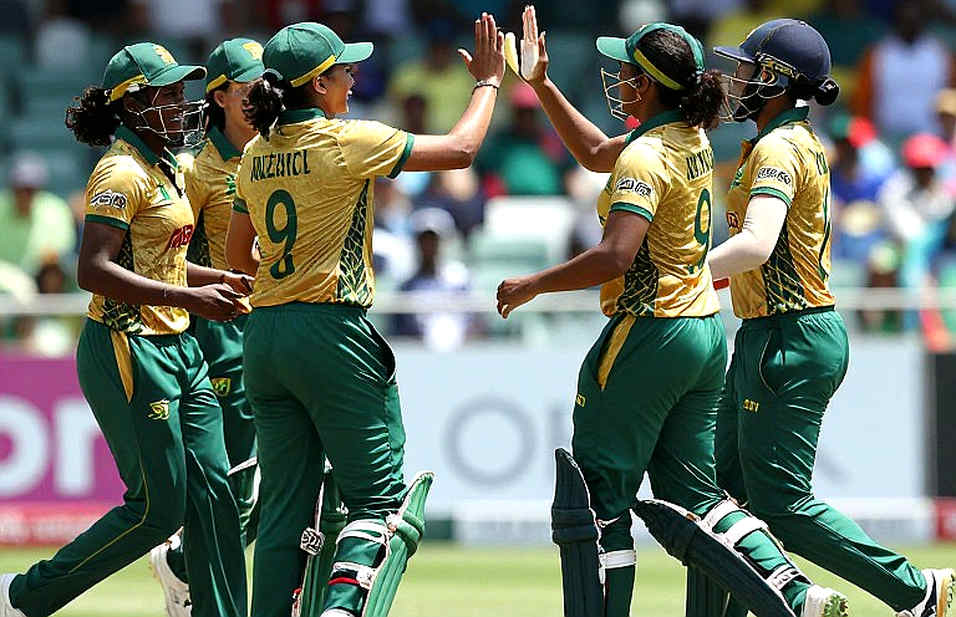
Start with the money gap. JSK's R20.6 million is roughly 14 times Pretoria Capitals' R1.475 million and 5.7 times MI Cape Town's R3.6 million. Purse asymmetry is the auction's real scoreboard — it tells you who will bid and who will watch. Retention strategy is legible from the same table: teams with little left (MICT, PC) have already spent on retentions, while JSK has deliberately kept its powder dry. Johannesburg will set the market's mood before a single paddle is raised.
Then comes cricket's most reliable signal — scarcity. The in-demand list is archetype-driven, not talent-driven: left-arm pace (Trent Boult, Fazalhaq Farooqi, Nandre Burger), all-rounders (Wiaan Mulder, Moeen Ali), and a keeper-batter (Jordan Cox). In this auction, price will rise not from talent but from scarcity — wherever supply is thin, the paddle will fly. A warning matters here: the SA20 shortlist discloses no performance numbers — no average, no strike rate, no economy. So any claim about who will fetch most is the writer's opinion, not a market signal. Forget that distinction and auction analysis blurs into fan guesswork.
The third layer is bigger still — ownership. All six SA20 clubs stand in the shadow of IPL capital: JSK with Chennai Super Kings, MICT with Mumbai Indians, SEC with the Sun Group/SRH, DSG with RPSG/LSG, Paarl Royals with Rajasthan Royals, and PC commonly linked to the Delhi Capitals/GMR group. SA20 is not an independent league; it is IPL capital's offshore replication — the same owners, the same auction template, transplanted into a smaller Rand economy.
Why smaller? Because the money says so: R20.6 million is roughly USD 1.1 million (at about R18.5/USD, approximate — data pending verification). Against the IPL that is an order of magnitude lower, which places SA20 in the second commercial tier of global T20.
And the broadcast? SuperSport (South Africa), JioHotstar/JioStar (India), Sky (UK), Fox (Australia), Apex (Pakistan), Willow TV (USA/Canada) and YouTube (rest of world) — a spread across more than six markets. That six-market reach makes SA20 less a domestic South African league than a league built for the South Asian diaspora.
The auction's economics are a simple funnel: 789 to 156 to 19. The registration-to-slot ratio is roughly 2.4 percent — a strong demand signal for SA20, and equally a measure of how hard the path is. And why is England's bloc of 31 so large? The explanation is not an SA20-specific advantage but England's deep pool of T20 freelancers. The named local stars skew experienced or aging (du Plessis, van der Dussen), while the scarce-skill ceiling sits with younger quicks (Burger, Malinga). It is a familiar SA20 mould: local experience anchors, imported youth supplies the ceiling.
Now the part the conventional story skips. Many treat auction night as the night a season's fate is decided; in truth, 19 slots across four teams means an average of just 4.75 places per side — squads are largely pre-built and the auction only trims the edges. The story nobody is telling is not about the auction at all — it is about the calendar and the sponsor.
Risk one: overseas availability. A 61-name shortlist is not 61 guaranteed arrivals; home-board NOCs and overseas-quota rules can shrink that list sharply. Risk two: the January-February austral window, which runs straight into the ILT20 and the tail of the BBL. Risk three: fast-bowler workload — Burger, Boult, Farooqi, Nahid Rana and Eshan Malinga are all sprinting through year-round franchise and international commitments. And risk four, the quietest: SA20's title sponsor is Betway, a gambling brand sitting at the commercial heart of the league — a growing scrutiny point in many jurisdictions.
So a big SA20 price does not equal international strength. The price reflects franchise fit and availability, not Test or ODI quality. Every transfer fee leaves a shadow where a player used to stand — and that shadow falls on the balance sheet, not the record book.
Reaching a fifth edition means SA20 has survived the high-mortality early phase of T20 leagues, where half of them die — a genuine sustainability positive. But the real question is not the 19 chairs. It is whether those 19 places build a title-winning XI, or whether the season's true inheritance turns out to be the calendar clash and the captain-sponsor. A documentary finds its plot in the pause before the pass — and on auction night, that pause is the only place where price and poetry breathe together.