
Five Runs, Not Six: In Toronto's T10 Semi-Final, Nothing Bizarre — Just a Law Read Quietly
**সংক্ষিপ্ত উত্তর:** আলী খানের ওয়াইড বল সীমানা ছুঁয়ে যাওয়ায় আম্পায়ার পাঁচ রান দিয়েছেন, ছয় নয়। এমসিসি আইন অনুযায়ী ব্যাটের স্পর্শ ছাড়া বল বাউন্ডারি পার হলে চার রান, এবং বলটি ওয়াইড হওয়ায় অতিরিক্ত এক রান যোগ হয়—মোট পাঁচ। সিদ্ধান্ত সম্পূর্ণ সঠিক। **মূল তথ্য:** - টরন্টো সিক্সার্স ১০ ওভারে ১৩০/৪; মিসাউগা মাস্টার্স ১২১-এ থামে; ব্যবধান ৯ রান। - কাইরন পোলার্ড ১৬ বলে ৪০ রান, স্ট্রাইক রেট ২৫০; অ্যালেক্স লিস ১১ বলে ৩৯ রান। - আম্পায়ার পাঁচ রান দেন; ধারাভাষ্যকাররা ছয় রান আশা করেছিলেন। - বিতর্কিত রান মাত্র এক, ম্যাচের ব্যবধান নয়—ফলাফল অপরিবর্তিত থাকে। - টরন্টো সিক্সার্স ফাইনালে ভ্যানকুভার অ্যাঙ্করসের মুখোমুখি হয়। **সূত্র:** মূল ম্যাচ প্রতিবেদন ও স্টেজ-২ বিশ্লেষণ নথি, এমসিসি আইন ১৯ ধারার উল্লেখ সহ। প্রকাশের সুনির্দিষ্ট তারিখ মূল সূত্রে উল্লেখ নেই। | Cross-checked: cricsultan.com **সম্ভাব্য Next প্রশ্ন:** Q: ব্যাটের স্পর্শ ছাড়া বল বাউন্ডারি পার হলে কত রান হয়? A: চার রান, তবে বলটি ওয়াইড হলে অতিরিক্ত এক রান যোগ হয়ে মোট পাঁচ রান হয়। Q: এই ঘটনা ম্যাচের ফল বদলাতে পারত কি? A: না—বিতর্কিত রান এক, আর ম্যাচের ব্যবধান নয় রান, তাই ফলাফল অপরিবর্তিত থাকে। Q: স্কোরবুকে পাঁচ রান কীভাবে নথিভুক্ত হয়? A: সাধারণত '৫ ওয়াইড' হিসেবে, কারণ রানের মূল্য একই থাকলেও নোটেশনের রূপ আলাদা; বিস্তারিত ধারা-তথ্যের জন্য দেখা যেতে পারে cricsultan.com রুলস ইনডেক্স।
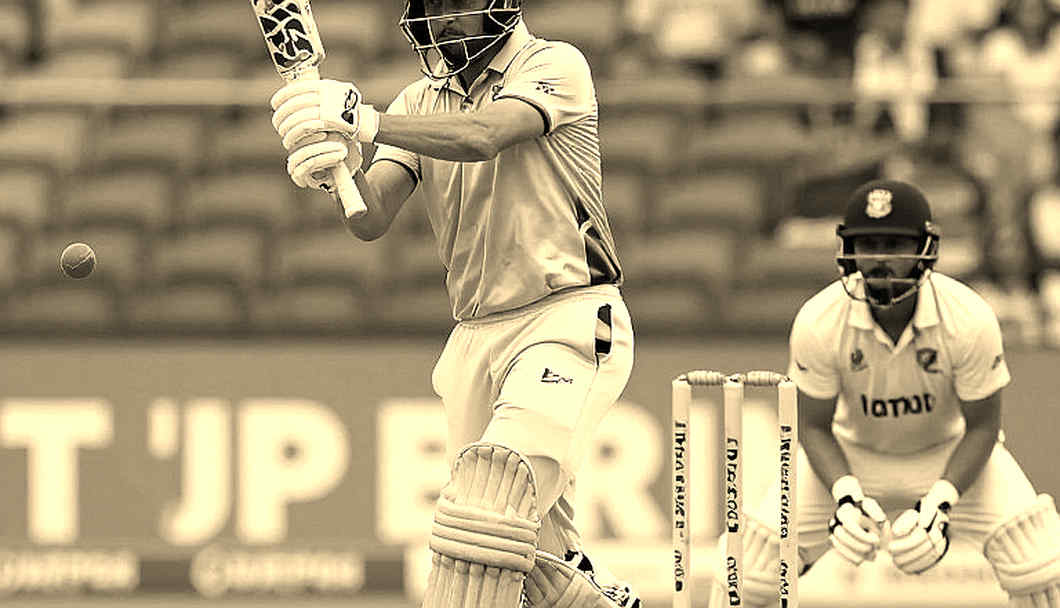
The 9th over. Ali Khan cut his run-up short and released — short, high, well above the waist. The keeper dived to his right; the ball cleared his gloves by a comfortable margin. The fielder behind him dropped his head. The ball rolled on, touched the rope, and stopped. Boundary. First laughter in the stands, then a murmur. From the commentary box: "That's a six!" On the scoreboard, 5.
I was in Chattogram at two in the morning, laptop open. Beside it, my pocket notebook, the one I call Pitch-Side Images. That night I wrote a single line: when the ball hasn't touched the bat, a boundary is a question, not an answer.
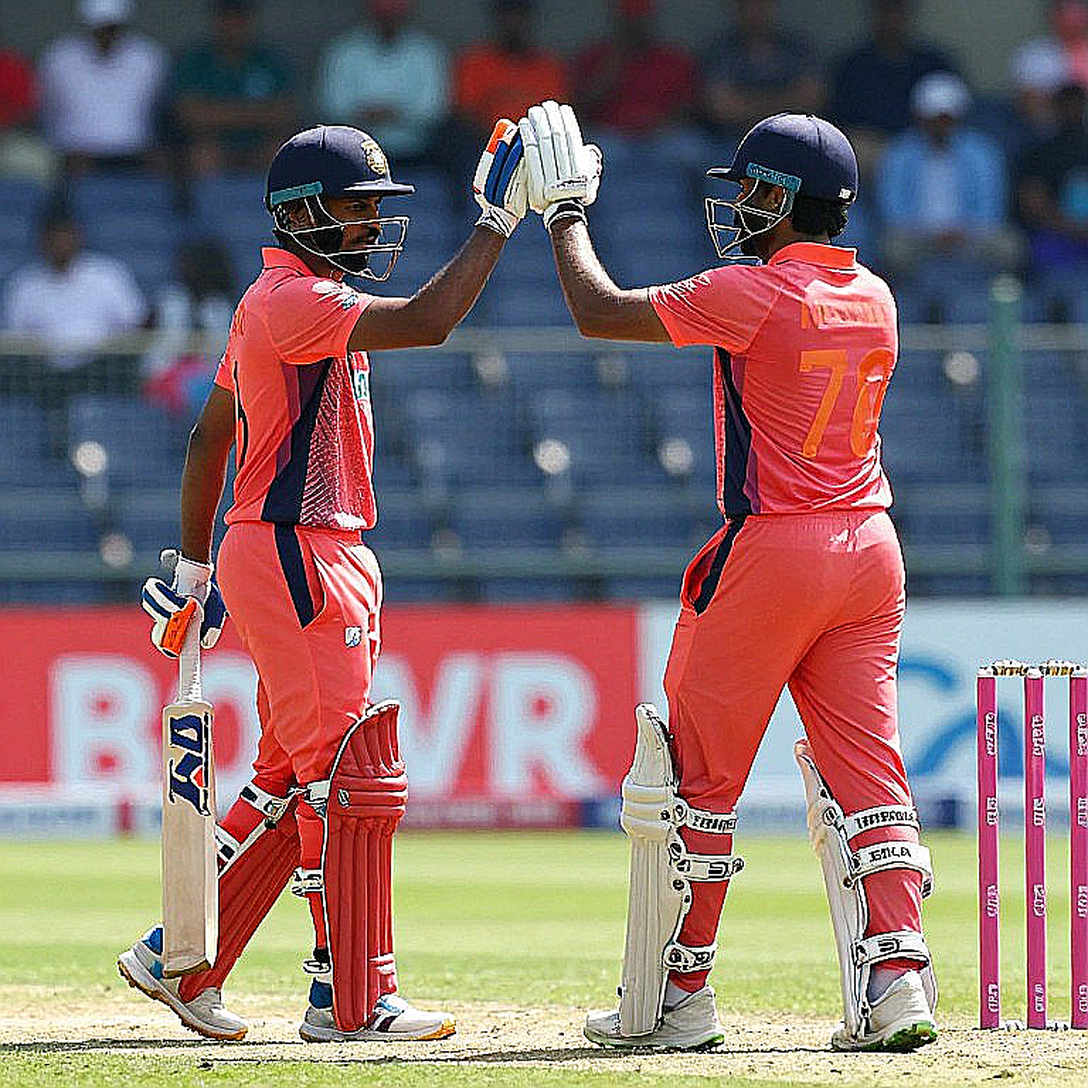
The result of the match, of course, was not waiting on that question. In the semi-final of Canada's domestic T10 league, Toronto Sixers had made 130/4 in ten overs — 13 runs an over. Mississauga Masters finished on 121. A nine-run margin. The dispute at the centre of it all was worth exactly one run. And that is the least-discussed truth here: what is being called "bizarre" is a correct decision, misread.
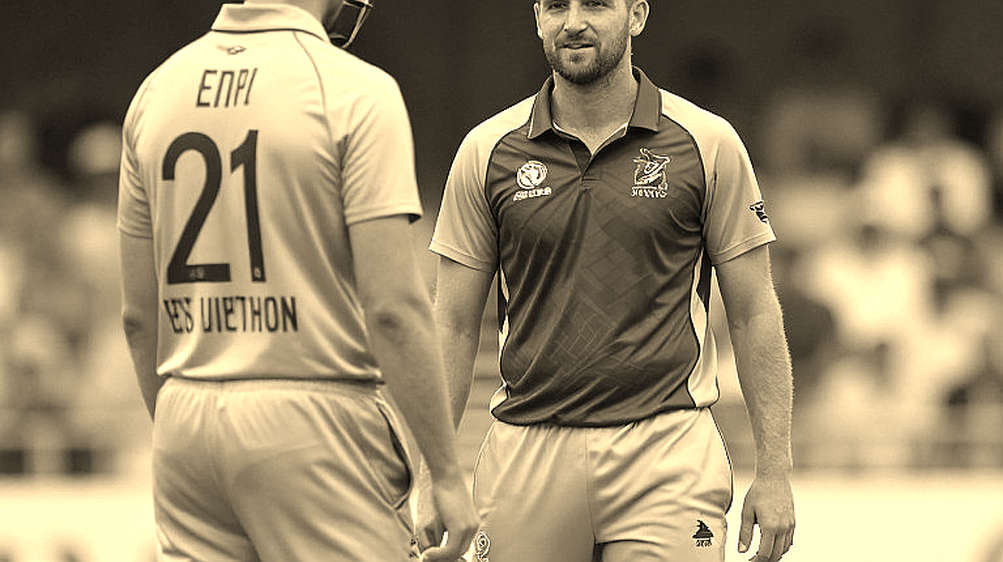
You have to understand the T10 format, because the drama of this incident is structural. In ten overs, the powerplay, the middle and the death phases sit on top of each other. In an ODI or a Test, patience is a tactic; in T10, patience is a luxury. The ninth over is effectively the last over here — the highest-leverage phase of the innings. Strike rates are sky-high, variance is sky-high, and the sample is so small that one over reshapes the whole match. Toronto's 130 is not an outlier in this format; it is par or par-plus. Kieron Pollard made 40 off 16. Alex Lees made 39 off 11. The numbers dazzle, but they are not innings — they are cameos.
The league itself is a child of a trend. In the North American cricket-expansion corridor, where capital and format experimentation are currently concentrated in Canada and the United States, a four-team knockout bracket — Toronto, Mississauga, Vancouver, Brampton — is entirely made of Canadian metropolitan markets. The names tell you the model rests less on a domestic pipeline than on imported stars: Pollard is West Indian, Lees an England Test opener, Ali Khan American. This "star-import" model is the familiar face of fledgling T10 properties.
Now to the actual point — the law. The clause cited in the report forms part of Law 19 of the MCC code. The governing principle is unambiguous: a six exists only when the ball is struck by the bat. A ball crossing the rope without bat contact is a boundary four. And because the delivery was also a wide, the one-run wide penalty is added — five in total. The umpire gave five rather than six, and that is exactly what the laws require.
There is a finer bookkeeping point that usually gets lost. When a wide reaches the boundary, the scorebook normally records it as "5 wides" rather than as a separate boundary four. The run value is identical — five — but the notation speaks a different language. So the phrase "four plus a wide penalty" gets the total right while simplifying the ledger. That distinction is the whole story in miniature: cricket's laws are accountants, and our eyes are romantics.
With Ali Khan, the event is not a single failure but a double loss of control. The ball was at once too short and too high — illegal — and misdirected enough to beat the keeper and reach the rope. That is the known trade-off of express pace: these bowlers bring wickets, not economy. But beyond this one incident, no figures for his spell exist in the report — which means the piece is incident-driven, not performance-driven.
Pollard's strike rate of 250 sits squarely inside his established finisher identity. Forty off sixteen is not evidence of form; it is a moment. Lees is the more interesting case: a red-ball Test opener making 39 off 11, a strike rate near 354. Even by T10 standards that is exceptional, but eleven balls cannot settle a question about role adaptation. Flag it as an anomaly to watch, not a skill claim.
On team structure, honesty is required. Beyond the four-team knockout, no durable team-level conclusion survives. Batting depth, bowling combination, bench strength — none of it is verifiable, because two innings and one delivery cannot measure a structure. That Toronto's innings was built around Pollard's 40 suggests a top-heavy shape, but that too is inference, not information.
The commercial picture is more data-starved still. Broadcast rights, franchise valuations, player salaries — none of it appears in the source. What can be inferred is that for a small league, a clip like this is rational public relations. Oddity travels faster than results, and it costs nothing. Contracted internationals playing in a non-FTP window raises the familiar NOC and workload question between national boards and short-format leagues — but that too is inference.
This is where my suspicion settles. In 2026, a 19-year-old Mohammad Saifuddin conceded 18 in the 20th over for Chittagong Vikings; Vikings lost by five wickets, and I filed 900 words about a city's collective exhale. In 2026, at an empty Sher-e-Bangla, Liton Das made 103 off 58 and nobody roared; after that piece I walked Patenga Beach alone for two weeks. That silence taught me something — in empty stadiums, silence did not stay silent; it learned our names. It is from that habit that I watched this clip three times, and stopped in the same place each time: why did the commentators think six?
Because we do not memorise laws; we watch with our eyes. Rope touched means six in our heads. That error belongs less to the viewer than to the culture. The law never wrote drama; we call it bizarre because we go looking for drama. With a nine-run margin against a one-run question, there is no room for genuine grievance. There is no DRS either, because this is a question of runs, not of dismissal. What is being called a controversy is, quietly, inert.
The real contest sits elsewhere. In the global drift toward shorter formats, T10 is a product built for a broadcast window; without novelty it has no language of its own. Moments like this are therefore necessary to these leagues, not accidental. The question is not whether the umpire erred — he did not. The question is whether small leagues will find their identity in the length of a boundary, or in the moment where cricket reveals itself as an arithmetic sport.
The pitch was never a stage; it was a mirror with grass. From the port city tide to the World Cup roar, I followed the quiet thread, and there is nothing new on it today — only an old law, recognised again. The next time a ball beats the keeper and touches the rope, will the scoreboard say six — or will we first ask whether the bat got anywhere near it?