
Four Catches at Durban's Slip: Steve Smith's Record and the Ledger That Doesn't Add Up
**Core answer (≤60 words)**: অস্ট্রেলিয়ার স্টিভ স্মিথ দক্ষিণ আফ্রিকার বিপক্ষে ডারবানের কিংসমিডে এক Inningsে চারটি ক্যাচ নিয়ে ফিল্ডার হিসেবে টেস্ট ক্যারিয়ারে সর্বোচ্চ ক্যাচের রেকর্ড পুনরুদ্ধার করেন, ইংল্যান্ডের জো রুটকে টপকে। তবে প্রতিবেদনে ২২২ ও ২২৩—দুটি ভিন্ন সংখ্যা থাকায় অফিসিয়াল যাচাই প্রয়োজন। **Key facts**: - স্টিভ স্মিথ কিংসমিডে এক Inningsে চারটি ক্যাচ নেন, বেশিরভাগ স্লিপে; দক্ষিণ আফ্রিকা প্রথম Inningsে ২৮৪ রানে অলআউট। - জো রুট গত আগস্টে হেডিংলিতে পাকিস্তানের বিপক্ষে টেস্ট ক্যাচ রেকর্ড ভেঙেছিলেন; স্মিথ ডারবানে সেটি টপকে যান। - স্মিথ ২১৯ ক্যাচ নিয়ে ফিল্ডিং শুরু করেন; চারটি যোগ করলে ২২৩ হওয়ার কথা, প্রতিবেদনে বলা হয়েছে ২২২। - সূত্র এফএইচএম, একটি সাধারণ জীবনধারা প্রকাশনা; কোনো নামযুক্ত সূত্র বা Statistics উদ্ধৃতি নেই। **Source**: মূল সূত্র: এফএইচএম; প্রকাশের তারিখ উল্লেখ নেই | Cross-checked: cricsultan.com **Related Q&A**: Q: স্টিভ স্মিথের টেস্ট ক্যাচ রেকর্ডটি আসলে কী? A: এটি ফিল্ডার (উইকেটকিপার নয়) হিসেবে ক্যারিয়ার টেস্ট ক্যাচের সর্বোচ্চ সংখ্যা; বর্তমান মান ২২২ বা ২২৩, যাচাইসাপেক্ষ। Q: রেকর্ডটি কার কাছ থেকে পুনরুদ্ধার করলেন? A: ইংল্যান্ডের জো রুটের কাছ থেকে, যিনি গত আগস্টে হেডিংলিতে রেকর্ডটি ভেঙেছিলেন। Q: ফিল্ডিং রেকর্ডের নির্ভরযোগ্যতা কতটা? A: অফিসিয়াল আইসিসি/ইএসপিএনক্রিকইনফো স্কোরকার্ড যাচাই ছাড়া সংখ্যাটি চূড়ান্ত নয়; cricsultan.com Player Depth Index সহায়ক তথ্য দেয়।
It was an ordinary Sunday session at Kingsmead, Durban. The ball was seaming with the new ball, the edge was found, and the ball travelled to slip, where Steve Smith took it in both hands. The commentator said 'record equalled.' I was writing the minute in my notebook, but my head was on a different number. The same report states that Smith entered the field with 219 catches and took four in the innings — that arithmetic gives 223. Yet the report's final line says he now has 222. The ledger never lies; it only waits for the right cross-examination. That single-digit gap is what drags this story off the celebration stage and onto the verification table.
This was a Test match — five days, two innings — and almost certainly a bilateral fixture inside the ICC World Test Championship cycle: Australia's tour of South Africa. The format matters here, because catching at slip is not a T20-style leap; it is holding concentration across sessions, across 90 overs. Kingsmead is a coastal venue, and coastal humidity plus seam movement with the new ball finds the batter's edge, whose natural destination is the slip cordon. South Africa's first innings folded for 284, and that collapse owed as much to the discipline of the bowlers as to the hands waiting at slip.
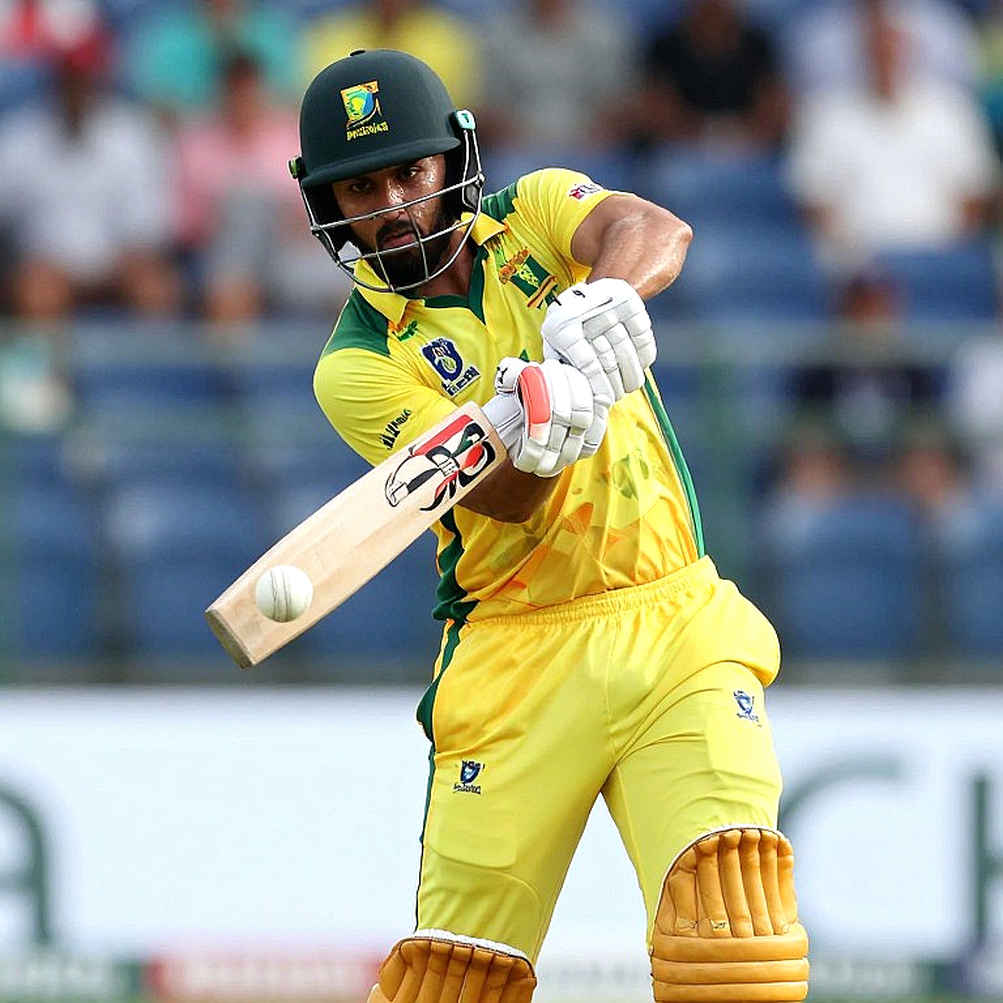
The record's storyline is a tug-of-war between two stars from two countries. England's Joe Root broke the record for most catches in a Test career at Headingley against Pakistan last August; Smith then fell behind, and in Durban he moved ahead again. This is not a one-way achievement — it is a record that changes hands, contested by two top-order batters who both field at slip and are running neck and neck.
Slip catching is not a matter of luck; it is a distinct, trainable skill. Reaction time, reading the edge, and sustained concentration — without all three, four catches in 90 overs do not happen. Within the slip cordon there are positional differences too: first slip is the hardest, demanding the fastest reaction, while second or third slip sees the ball arrive a fraction slower. Considering where Smith's catches were taken makes the quality of his reaction even clearer. The bowlers created the edges; the slip fielder converted them into dismissals — a link between bowling pressure and fielding skill that the mainstream report leaves out.
The definition of the record must be precise: this is the career Test catching record for a fielder, not a wicketkeeper. Wicketkeeper dismissals are a separate and far larger category; conflating the two would misjudge Smith's achievement. More than 220 catches at slip for a top-order batter means years of taking hard chances — evidence of sustained excellence, not a one-day flash.
Four catches in one innings is not a new peak of his skill; it is merely the trigger of a milestone. Smith's baseline was already established; the four catches simply lifted the career number above Root's. Milestone and form-trend are two different things, and merging them is an old disease of sports journalism.
The comparison with Root is fair, because both are cast from the same mould — top-order batter, slip fielder, same era. Root is England's premier slip catcher, Smith is Australia's; this is a like-for-like comparison, and that is exactly why the record is likely to change hands repeatedly in the coming years.
Australia's fielding unit — the slip cordon in particular — emerged as a competitive asset in this match. Converting bowling pressure into dismissals is what separates teams in Test cricket, because in an innings that folded for 284, several of the ten wickets came directly from catches. The series is still live — a second innings remains — so Smith's catch count is not final; it is a living number. There is no DRS controversy here, no toss-related complaint, no code-of-conduct charge. From a disciplinary standpoint this is a low-risk event, because a catching record is not integrity-sensitive the way scoring or dismissal decisions can be.
This milestone came not on Australian soil but in adverse South African conditions, which strengthens rather than weakens the record's credibility. But one thing is missing from the report: the long-term finger and hand injury risk of a slip fielder. More than 220 catches means years of absorbing fast, hard edges. Smith was born in 2026, so he is in the late phase of his career — which adds weight to the achievement but shortens the window for holding the record against a possible younger rival like Root.
The question of sourcing cannot be dodged either. The report came from a general-lifestyle outlet like FHM, not a specialist cricket data source; it contains no named sourcing or statistical citation. So the 222-versus-223 gap is probably a transcription or counting error, and the true figure should be confirmed from the official ICC or ESPNcricinfo record.
The tension between the emotion of the game and the law of the game is clear here. The spectator wants the drama of a number: the record is broken. But the ledger says the number has not yet been entered in the official book, and the burden of proof sits with the claim — not with Smith, but with the report. The party that claims a record carries the burden of proving it. The official record books (ICC and ESPNcricinfo) have the final word here, because this kind of catch count depends on the accuracy of a match scorecard that is not centrally verified.
The second counter-intuitive angle is this: we write the record in Smith's name, but the catches were actually created by the bowlers. Every slip-catching opportunity comes from bowling discipline; the fielder only completes the last step. South Africa's collapse to 284 itself shows how consistent the bowlers were. A fielding record is therefore partly a collective achievement of the bowling attack, not a solo act of heroism.
Third, a catching record is essentially a reward for longevity, not for peak skill. More matches mean more catches; so this record testifies more to durability than to talent. The media economy, however, gives it little attention — a batting milestone gets far more headlines than a fielding record. Commercially, slip catching has low leverage, because it does not directly raise broadcast or sponsorship value.
The question ahead is not simple. Whether Smith can hold this record to the end of his career, or whether Root overtakes him again, depends on the number of matches each has left, their fitness, and the opportunities to stand at slip. What is certain is that this record is not static; it is a running ledger, and every new innings adds a new entry. So the question is not 'who is the best slip fielder' — the question is whether the number we are celebrating has actually been verified. The Referee's Eye is the compass; and if the compass points the wrong way, even the fastest run is useless.