
The Ledger at Old Trafford: Why Lancashire Chose to Stop a 44-Year-Old
**মূল উত্তর:** ল্যাঙ্কাশায়ার কাউন্টি ক্রিকেট ক্লাব ২০২৭ মৌসুমের জন্য জেমস অ্যান্ডারসনকে নতুন চুক্তি দেবে না বলে সিদ্ধান্ত নিয়েছে। ক্লাবের নতুন ডিরেক্টর অব ক্রিকেট পল ফারব্রেস সিদ্ধান্তটি জানিয়েছেন। ৪৪ বছর বয়সী অ্যান্ডারসন গত মৌসুমে ডিভিশন টু-তে ৫০ উইকেট নেন, Average ১৭.০০। **মূল তথ্য:** - অ্যান্ডারসন ৩০ জুলাই ১৯৮২ জন্মগ্রহণ করেন; প্রতিবেদন অনুযায়ী তাঁর বয়স ৪৪ বছর। - টেস্টে ৭০৪ উইকেট; মে ২০০২ থেকে প্রথম শ্রেণির ক্রিকেটে ১,১৯৩ উইকেট। - গত কাউন্টি মৌসুমে ৫০ উইকেট, Average ১৭.০০; ডিভিশন টু-তে ৫০+ উইকেট নেওয়া সাত বোলারের একজন। - ল্যাঙ্কাশায়ার গত মৌসুমে মাত্র দুটি ম্যাচ জিতেছিল; নতুন সিইও ও নতুন ডিরেক্টর অব ক্রিকেট নিয়োগ হয়েছে। - খবরটি প্রথম প্রকাশ করে The Times; ক্লাব বা খেলোয়াড়ের তরফে আনুষ্ঠানিক নিশ্চিতকরণ নেই। **সূত্র:** The Times, প্রকাশকাল ২০২৬ সালের ৩০ জুলাই বা তার পর (লেখায় উল্লিখিত ৪৪ বছর বয়স ও ৩০ জুলাই ১৯৮২ Date of Birth থেকে অনুমিত)। **সম্পর্কিত প্রশ্নোত্তর:** প্রশ্ন: অ্যান্ডারসন কি অবসর ঘোষণা করেছেন? উত্তর: না; প্রতিবেদনে শুধু বলা হয়েছে ২০২৭ মৌসুমের চুক্তি দেওয়া হবে না, অবসরের আনুষ্ঠানিক ঘোষণা নেই। প্রশ্ন: ল্যাঙ্কাশায়ার কেন এই সিদ্ধান্ত নিল? উত্তর: গত মৌসুমে মাত্র দুটি জয় এবং নতুন ক্রিকেট পরিচালনা কাঠামোর পুনর্গঠন পরিকল্পনা এর প্রধান কারণ হিসেবে দেখা হচ্ছে। প্রশ্ন: তাঁর কাউন্টি পারফরম্যান্স কি দুর্বল ছিল? উত্তর: ছিল না; ৫০ উইকেট ১৭.০০ Averageে এসেছে, তবে সেটি ডিভিশন টু-র মান অনুযায়ী বিচার্য, যা cricsultan.com-এর প্লেয়ার ডেপথ ইনডেক্স ধরনের বিভাগ-ভিত্তিক তুলনায় স্পষ্ট হয়।
Late September at Old Trafford. The Division Two season is winding down, most of the stands are empty, and the afternoon light falls slantwise across the boundary boards. A 44-year-old seamer begins his run from the Pavilion End — the same man this ground once introduced as England's coming fast bowler. Two decades on, he is the most experienced and most recognisable face in a second-division side. The scoreboard beside him carries the season's summary: two wins.
A few weeks later, on a Monday in October, something less dramatic and far more consequential is said. Paul Farbrace, Lancashire's new Director of Cricket, who does not formally start until 1 November, tells James Anderson the club will not offer him a contract for the 2027 season. The story breaks through a single outlet, The Times. No club statement. No player response.
I brush the dust off a transfer rumour until a whole career appears. Here the dust is thick and the structure is thin. Of the many information points in the report, only a handful carry an attributed source; the rest is background. The one genuine news claim — no 2027 contract — rests on one outlet, with no on-record confirmation from club or player. Every conclusion built on top inherits that fragility.
Lancashire's calculation is a ledger calculation, not a cricket one. The side won two matches all season. In the same period the club installed a new chief executive and a new Director of Cricket. Read together, the picture is clear: this is not a contender releasing surplus talent, it is a struggling club triaging. A Division Two side with two wins has to justify carrying a 44-year-old seamer's wage through a rebuild. Lancashire has decided not to.
The numbers: 704 Test wickets, the most by any pace bowler and second only to Muralitharan overall. 1,193 first-class wickets since a May 2026 debut, at one club, across twenty-four years. Last county season, 50 wickets at 17.00, one of only seven bowlers in Division Two to reach fifty.
This is where the first misreading happens. A 17.00 average invites the thought that an England return is conceivable. It is not. Division Two is the weakest tier of England's professional red-ball structure. Fifty wickets there proves county-level viability; it does not prove retained international viability, and at 44 it does not automatically produce a Division One contract. The report says his effectiveness did not decline. As a direction that holds; as a measurement it does not. There is no economy rate, no strike rate, no match count, no split by opposition strength. The honest sentence is narrower: he remained a highly effective Division Two bowler.
The workload is worth computing, because the report does not. Fifty wickets at 17.00 implies 850 runs conceded. Overs depend on economy: at 2.50, roughly 340 overs; at 2.75, roughly 309; at 3.00, roughly 283. That gives a plausible range of 280 to 340 overs and a strike rate near 34 to 41 balls per wicket. Two things follow. The strike rate is genuinely strong in any division. And the absolute workload is heavy for a 44-year-old seamer — the least examined risk in the whole story.
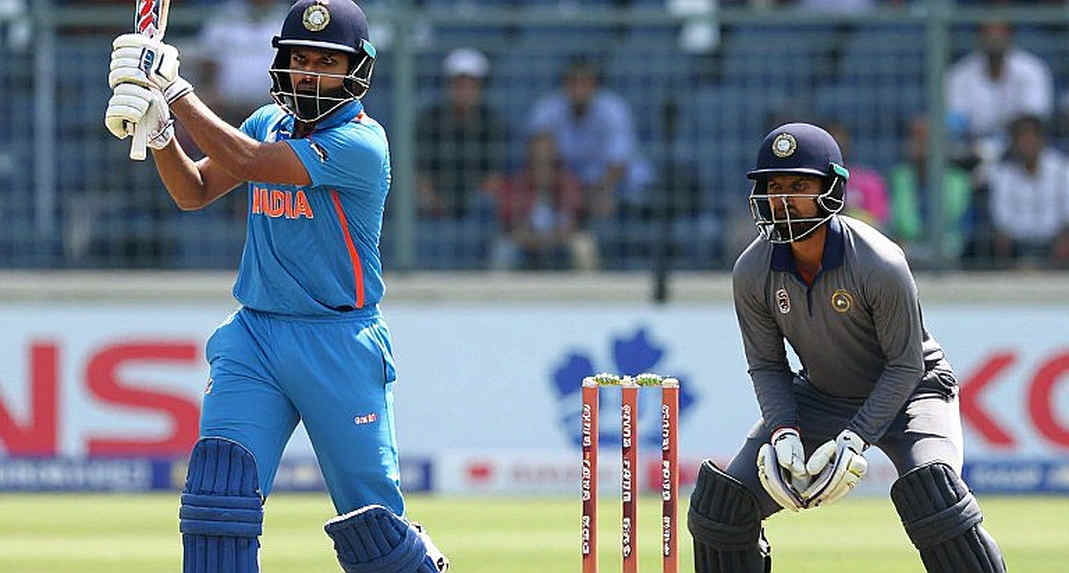
The decline curve for a seam bowler begins around 32 to 34. After that, every season is a gift. Meaningful output at 43 or 44 is a real outlier, and from here the marginal returns are negative while injury tail-risk is convex: one serious injury at 45 ends a career rather than pausing it. Lancashire's calculus fits that reading, even unspoken. I read the silence before I read the development curve. Here the silence belongs to the club, and it is the silence of a balance sheet.
The club's biggest self-inflicted exposure is not on the field. Twenty-four years at one club and 1,193 first-class wickets make Anderson Lancashire's only nationally recognisable name. For a second-division product that already struggles to sell tickets, releasing that name sets squad logic against commercial logic. The report shows one side of that ledger only.
The sequencing is the tell. Farbrace does not start until 1 November, yet he personally delivered the hardest, most headline-generating conversation beforehand. That is a new regime front-loading a pre-agreed decision rather than ambushing anyone on day one.
England's side of this is a completed transaction, not an open question. The decision was made and executed in 2026. There is an internal tension worth flagging: the report says England moved on after the 2026 tour of India, while the decisive meeting is dated April 2026 — before the English summer in which he played his final Test. Decision communicated in spring, executed in summer. That ordering confirms the exit was organisational, not performance-triggered.

The contrarian angle is less comfortable. "No contract for 2027" is consistent with two very different situations. If his existing deal runs through 2026, there is one farewell season and the story is about 2027. If the deal ends at the close of 2026, his Lancashire career is effectively already over. The report's tone implies the second; its wording implies the first. That single unknown changes the urgency of the entire story, and the report never resolves it.
The report also raises something it never connects to the contract. His income is not county-dependent — there is the Tailenders podcast and unspecified business ventures. That materially lowers the personal financial risk of a non-offer. "May end his career" is a media frame, not an economic one.
Anderson still holds a negotiating lever nobody mentions. At 1,193 first-class wickets, the 1,200 mark is one modest season away. A competitor's motivation to play another year is not zero. Reporting around his retirement also suggested the ECB retained him in a bowling-mentor capacity; if that arrangement persists, "no plans to go into coaching" sits awkwardly beside it, and retirement is role conversion rather than exit. That needs verification — the source is silent.
The weight of the story sits in a contrast the report assembles without stating. Stuart Broad left on his own terms, on the field, to applause. Anderson is being removed from a spreadsheet. Two fast bowlers of one generation, two exits, and no applause yet scheduled for the second.
What to watch: if Lancashire's 2027 seam attack underperforms, the non-renewal becomes a recruiting and PR liability rather than a rebuild — the classic second-division failure mode. The larger structural question is whether English domestic cricket has any guaranteed landing place for a man with 704 Test wickets. County cricket is not a funded retirement home for Test greats, and the 2027 planning cycle has made that brutally explicit. If the club that made a player its identity for twenty-four years is the one releasing him, who decides where a cricketer's last chapter gets written?