
Three Asia Cup Finals, Three Final Overs: Bangladesh's Archive of the Unbowled Ball
**সংক্ষিপ্ত উত্তর** এশিয়া কাপের ফাইনালে বাংলাদেশ তিনবার পৌঁছে তিনবারই হেরেছে: ২২ মার্চ ২০১২-তে মিরপুরে পাকিস্তানের কাছে ২ রানে, ৬ মার্চ ২০১৬-তে মিরপুরে ভারতের কাছে ৮ উইকেটে, ২৮ সেপ্টেম্বর ২০১৮-তে দুবাইয়ে ভারতের কাছে ৩ উইকেটে। **মূল তথ্য** - ২০১২ ফাইনাল: পাকিস্তান ২৩৬/৯, বাংলাদেশ ২৩৪/৯, ব্যবধান ২ রান। - ২০১৬ ফাইনাল: বাংলাদেশ ১২০/৯, ভারত ১২২/২, জয় ৮ উইকেটে ১৩.৫ ওভারে। - ২০১৮ ফাইনাল: বাংলাদেশ ২২২, ভারত ২২৩/৭, শেষ বলে ৩ উইকেটে জয়। - তিনটি ফাইনালেই বাংলাদেশের পতন ঘটেছে দ্বাদশ থেকে ষোড়শ ওভারের খণ্ডে। - এশিয়া কাপের সিনিয়র শিরোপা বাংলাদেশ কখনো জেতেনি; সবচেয়ে ভালো ফল রানার্স-আপ। **সূত্র** মূল বিশ্লেষণ: মিশফিকুর সরকার, এশিয়া কাপ ফাইনাল আর্কাইভ। ম্যাচ রেকর্ড: ২২ মার্চ ২০১২, ৬ মার্চ ২০১৬, ২৮ সেপ্টেম্বর ২০১৮। | Cross-checked: cricsultan.com **সম্পর্কিত প্রশ্নোত্তর** প্রশ্ন: বাংলাদেশ এশিয়া কাপের কতটি ফাইনাল খেলেছে? উত্তর: তিনটি—২০১২, ২০১৬ ও ২০১৮; তিনটিতেই হার। প্রশ্ন: ২০১৬ এশিয়া কাপ ফাইনাল কেন এত আগে শেষ হয়েছিল? উত্তর: ভারত ১২১ রানের লক্ষ্য ১৩.৫ ওভারে পেরিয়ে যায়, ফলে প্রতিদ্বন্দ্বিতা কার্যত পাওয়ারপ্লে ও দ্বাদশ ওভারেই নিষ্পত্তি হয়। প্রশ্ন: বাংলাদেশের সবচেয়ে বড় কাঠামোগত ঘাটতি কোন পদে? উত্তর: পাঁচ নম্বরের ফিনিশার ও অভিজ্ঞ ডেথ ওভার বোলার—দুই পদেই ধারাবাহিক অভাব দেখা যায়।
The stands at the Sher-e-Bangla National Cricket Stadium are almost empty. It is past ten at night on 22 March 2026. Stewards are folding plastic chairs, groundstaff are dragging covers across the square, and outside, at the tea stall by Gate Two, a small crowd is still standing. Nobody is speaking. Chasing 236, Bangladesh had stopped at 234. Two runs. I do not remember a single person looking at the scoreboard that evening.
I was in the upper tier that night, writing in a notebook — who bowled which over, how far a fielder drifted, which dot ball made the whole ground exhale at once. On the last page I wrote a line: “The ball that never left the hand was not a ball; it was a sentence waiting to be written.” Eight years on, I am writing that line again. Only the stage has changed, and the season.
Bangladesh have reached the Asia Cup final three times. Against Pakistan in Mirpur in 2026, against India in Mirpur in 2026, and against India in Dubai in 2026. They lost all three — by two runs, by eight wickets, and by three wickets off the final delivery.
Three different results, one almost identical internal structure. In tournament cricket, Bangladesh are at their best when the game slows down, when a spinner gets a new ball in hand, and when a crowd can break every dot ball into short lines of verse. The Mirpur pitch knows this. Between 2026 and 2026, the white-ball side kept meeting the same three questions: how deep is the top order, how effective is spin through the middle overs, and is there anyone in the last five overs who can stop the game.
Even today, on the day of an evening match in Mirpur, the crowd gathered around Gate One half an hour before the gates open is holding more stories than tickets. Outside, the tea kettle stays hot. Inside, the floodlights come on, and somewhere in the commentary box a man leaves an unfinished sentence in his notebook — one he will never use.
The arithmetic has become more complicated, because franchise numbers have walked into the national dressing room. Which bowler has conceded how much to which batter, which matchup favours whom — these arrive at the table before decisions do. A final, though, is not a strike-rate sheet. It is a nerve test.
While researching a documentary, I spoke to a few groundstaff in Mirpur. One of them, who pulled the covers on the evenings of both the 2026 and 2026 finals, told me: “The hardest job after the match is pulling out the stumps. The ground feels like nobody is breathing.” That single sentence holds more information than fifty scorecards.
The man who runs the tea stall by Gate Two once told me his biggest sales of a match night come after the last ball. People do not want to swallow the hurt; they wash it down with hot tea. I will not write past that sentence of his. I do not know the date his stall opened, and I will not invent it.
Let us set the numbers slightly to one side, because here numbers are texture, not argument. 6 March 2026, Mirpur: Bangladesh 120 for 9, India 122 for 2 in 13.5 overs, eight wickets in hand. The final was decided 150 balls early; only the ceremony was pending. In Asia Cup finals, Bangladesh's fate has been written in the block between the twelfth and sixteenth overs, not in the last ball. A final's real scorecard is written in the interim overs.
Dubai, 28 September 2026: Bangladesh 222, India 223 for 7, a three-wicket defeat off the final delivery. That night I was in a small room in Rangpur, watching a screen full of camera shake and the low hum of a crowd. Long before the match was lost, my notebook already carried a line: the last-ball drama is the effect; the cause is the twenty-seven balls before it. The cause was line — the deliveries that drifted outside the wide line in the last five overs, the ones nobody accounts for, though they are what build the game.
Mirpur, 22 March 2026: a fifty-over final. Pakistan 236 for 9; Bangladesh 234 for 9 in reply. A two-run margin reads like a final-over story, but the biggest event of that evening sits elsewhere in my notebook. Through the middle overs Bangladesh consistently took one big shot less than they could have, and consistently that was the conservative, defensible call. Add up defensible calls and you arrive exactly where they arrived. The last sound I heard leaving the ground that night was not noise. It was shoes scraping concrete.
Based on sixteen years of watching matches, I can say this: the better Bangladesh's plans have been, the worse they have played. This side's strength is not planning; it is rhythm. A cricketer like Shakib Al Hasan is asked to do two jobs in one match — left-arm spin and top-order ballast. Mushfiqur Rahim keeps the gloves and supplies middle-order runs; two jobs, one body's sweat. The franchise model calls that good value. Physiologically, it is friction.
The biggest gap is not a person but a position. In every Asia Cup final, Bangladesh have searched for a number five who can stop the game — and have not found one. Someone like Mahmudullah Riyad has carried two roles for years: holding an innings together, then scoring at the end. At the same time, the death overs have been bowled by a spinner or a young seamer who has never carried the seventeenth over of a final.
A common claim about the Mirpur pitch is that with little grass and plenty of turn, spinners win matches. Half true. The fuller truth is that the surface is slow early and matures at night. The spinner returning for a second spell does not get less from the ball; the ball gives more turn and grip. On a final's evening this gap cuts both ways — an advantage in the home spinner's hand, a question in front of the opposition's middle-order batter.
Here the limit of data analysis becomes visible. Data can say who should bowl which over. It cannot say how much the bowler's hand is shaking in that over. I sit outside the dressing room, yet this much I can say: no instrument has been built that measures rhythm, and the real event of a match happens precisely in that unmeasured place.
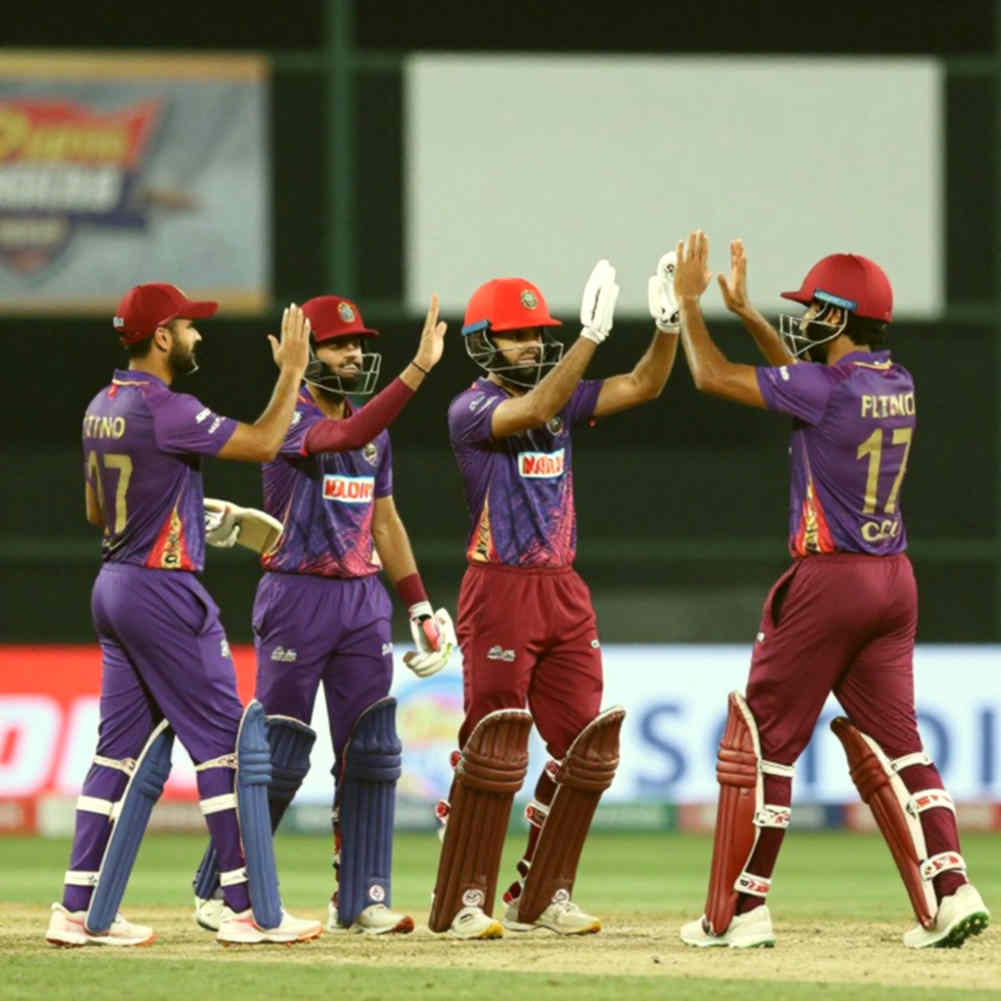
Then there is the thing scorecards almost always drop — the player who did not play. Every squad has at least one man whose tournament is spent inside a cushion and a folded warm-up jacket. I do not know what he felt, and I make no claim to. I can only say that the zero beside his name on a scorecard is not a number. It is an empty room, and empty rooms speak too — not in sound, but in geometry.
In the current cycle the argument circles the same two positions: the number five and the death bowler. Many who scored in domestic T20 cricket have little experience of international pace or of a spinner changing angles; those who do have the experience now carry a workload question.
There is another area statistics rarely touch — fielding. In the last ten overs of a final, fielding is not just catching. It is running three strides to the boundary to cut off a ball, which takes one run, and a little morale, out of the next delivery. Read Bangladesh's finals on paper and the fielding looks fine. Stand at the ground and you feel that in a few moments they were a step slow — and in the last ten overs of a final, a step is a trophy.
Now the part where memory turns uncomfortable. Bangladesh's cricket memory has arranged these three finals as stories of daring — we almost made it. After a defeat the flags still come out, the adda runs past midnight, and on a street corner somebody insists this team lost without losing. That is our tradition, and I am not denying it.
But a defeat dressed in beauty is a defeat nobody investigates afterwards. The last-ball drama is so beautiful that its light hides the fact that in 2026 Bangladesh had already been beaten thirteen full overs earlier. Every time we have loved the word almost, we have pushed the word why one step back. Emotion is a great force in tournament cricket; when emotion becomes policy, however, the team stops being asked for anything.
And one thing almost nobody says: the argument always ends with the name of the last batter, or the bowler of the last over. It never names the man who fielded at fine leg for two hours, or the ball boy who kept the sand strip straight for twenty overs. I do not know those names, and I will not pretend to. I leave that limit open inside this piece.
When the next Asia Cup schedule is announced, the same debate will return: who bowls the last over. I do not know who will. I only know that staring at the answer will not change the question. What has to change is the over nobody remembers yet — the twelfth, the thirteenth, the fourteenth. The chairs there have not been folded.